Give Every Recruiter a Team of AI Agents
Automatan agents evaluate resumes, investigate candidate evidence, compare applicants, and prepare every hiring decision—so recruiters can focus on judgment, conversations, and outcomes.
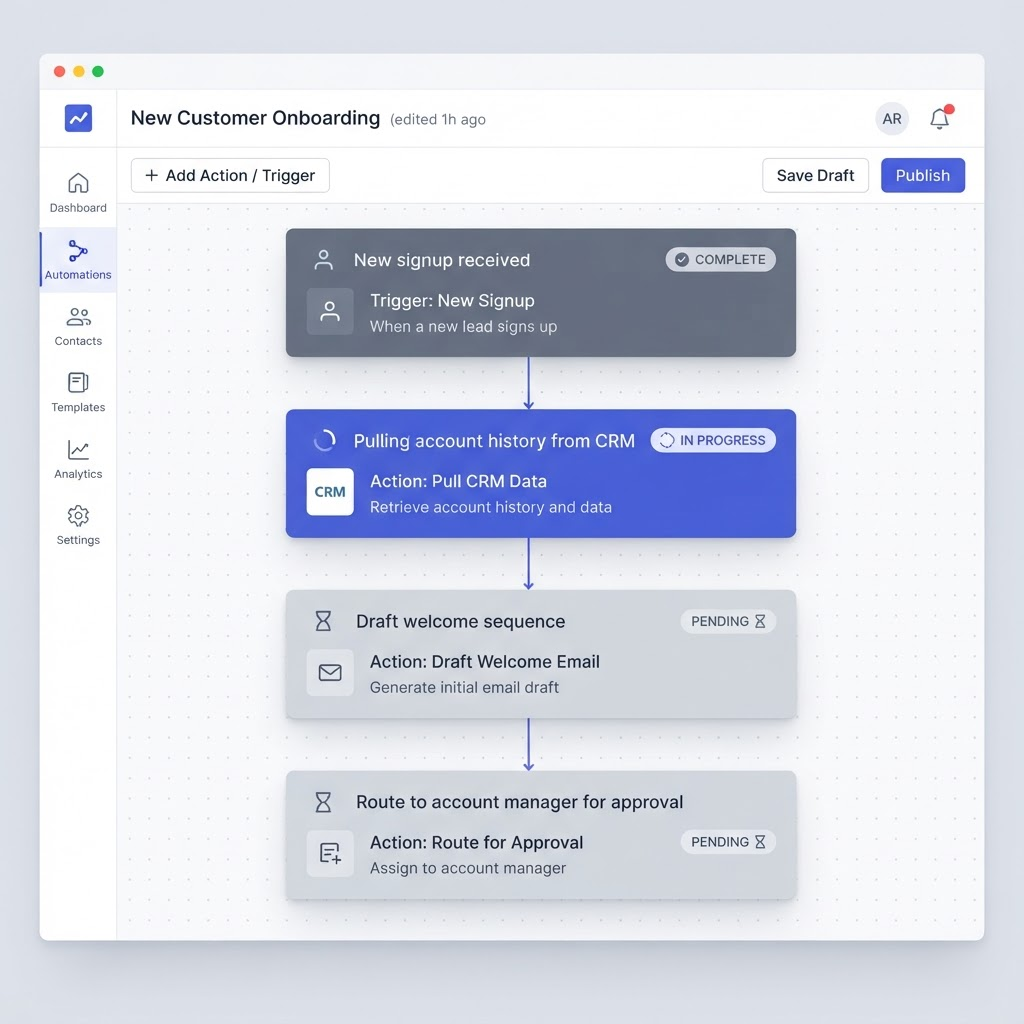
Application Volume Has Scaled. Recruiter Capacity Has Not.
Resumes arrive faster than teams can evaluate them. The evidence needed to make a strong hiring decision is scattered across applications, job descriptions, ATS records, interview notes, assessments, and the web. Recruiters are left to assemble the picture by hand.
High volume. Limited depth.
Recruiters have minutes to review candidates who deserve deeper evaluation. Strong, non-obvious applicants get missed while polished resumes can make weak alignment look convincing.
Every reviewer sees a different candidate.
Role requirements are interpreted differently across recruiters and hiring managers. Screening quality changes by reviewer, workload, and time available.
The real evidence sits beyond the resume.
Company context, education quality, publications, patents, open-source work, and professional activity often require separate research—if anyone has time to investigate them at all.
Move Faster Without Lowering the Hiring Bar
Automatan expands the analytical capacity of every recruiter—reducing the time required to reach a shortlist, increasing the number of applicants that can be evaluated properly, and sending better-qualified candidates into interviews.
Reach a defensible shortlist sooner
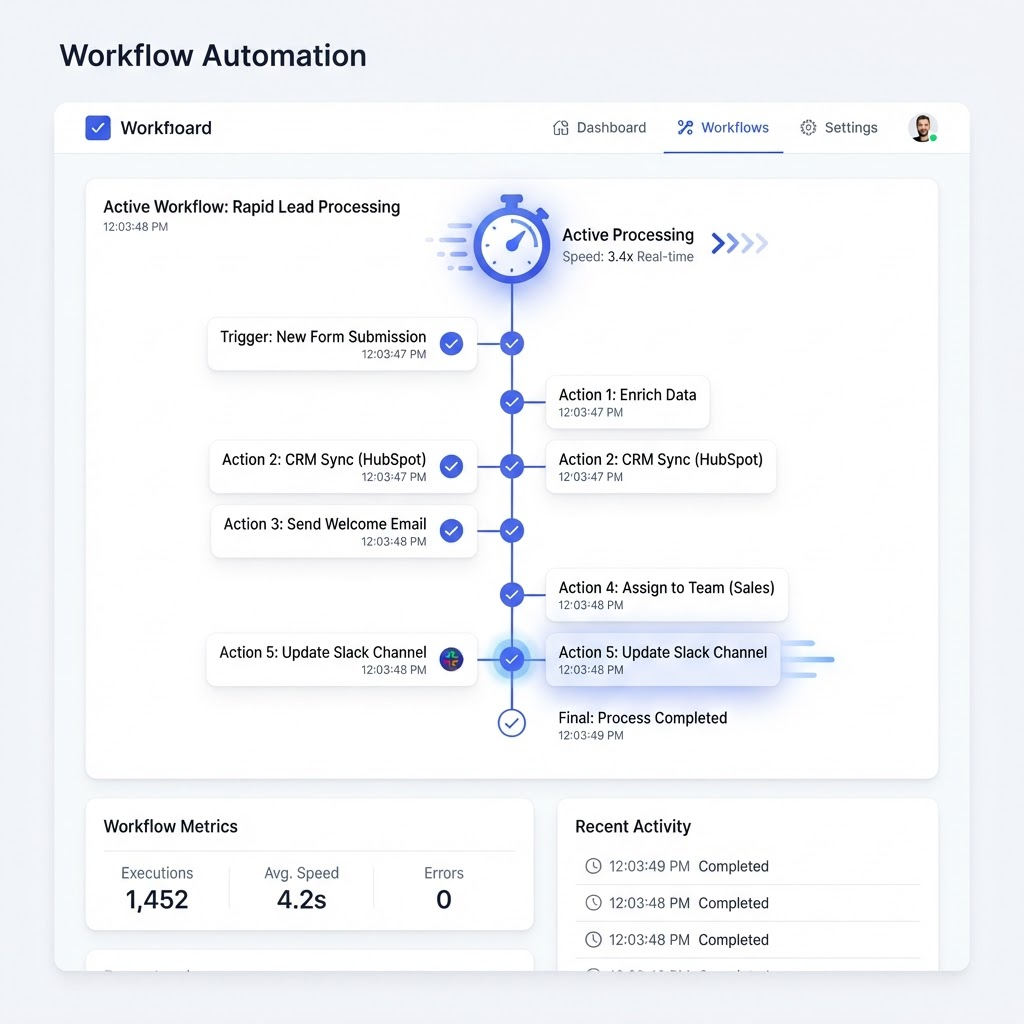
Agents analyze applications as they arrive, surface the candidates who warrant attention, and prepare the evidence behind each recommendation—compressing days of resume review into a decision-ready shortlist.
Increase recruiter capacity without diluting depth
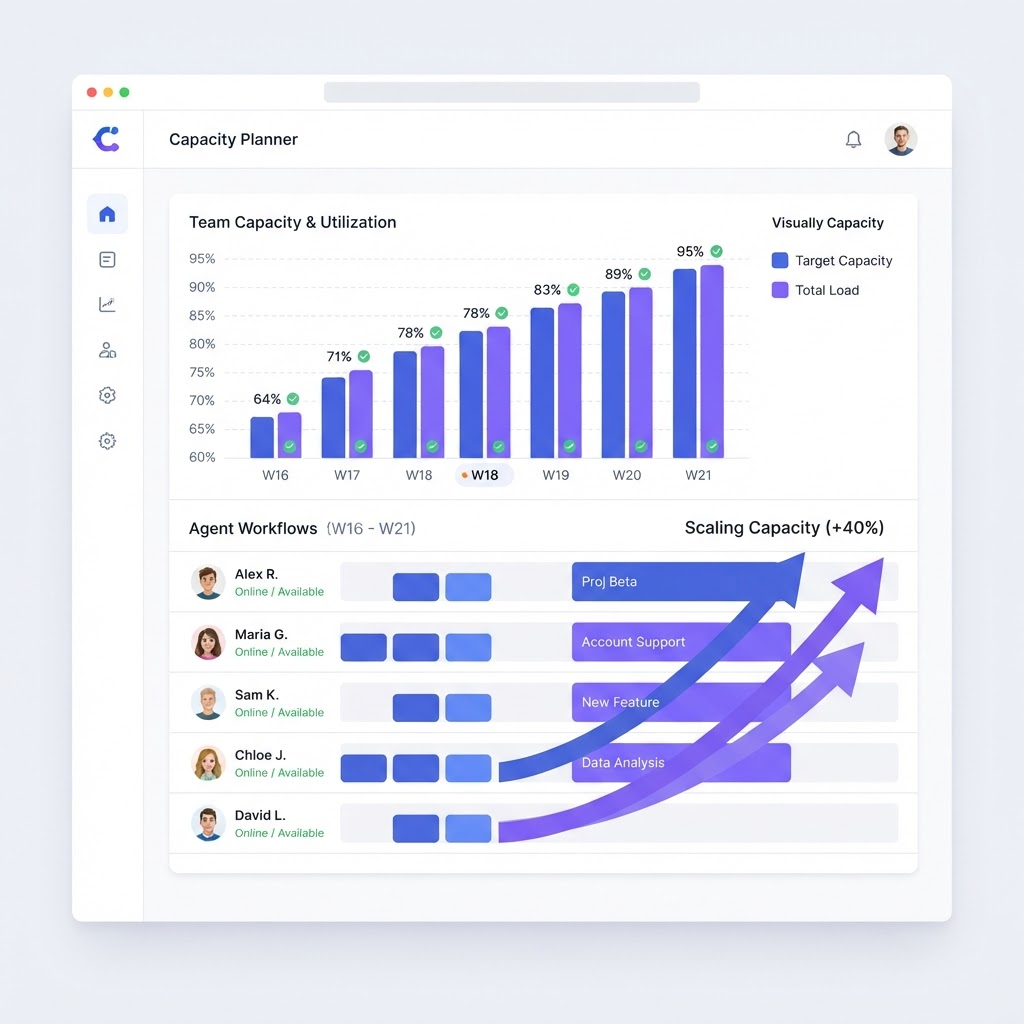
Every applicant can be evaluated against the role—not merely scanned for keywords. Recruiters handle greater application volume while preserving the depth, context, and consistency of the review.
Send stronger candidates into interviews
Hiring managers receive candidates with clearer role alignment, supporting evidence, material gaps, and unresolved questions—improving shortlist quality and reducing interviews spent discovering basic mismatches.
From Role Requirements to a Decision-Ready Candidate
Specialized agents work across the full analysis sequence. Each investigates a defined part of the decision, then contributes evidence to one unified candidate view.
Understand the candidate beyond keywords
Evaluation agents interpret the role, analyze the complete resume, and determine how the candidate’s actual experience aligns with the work to be done.
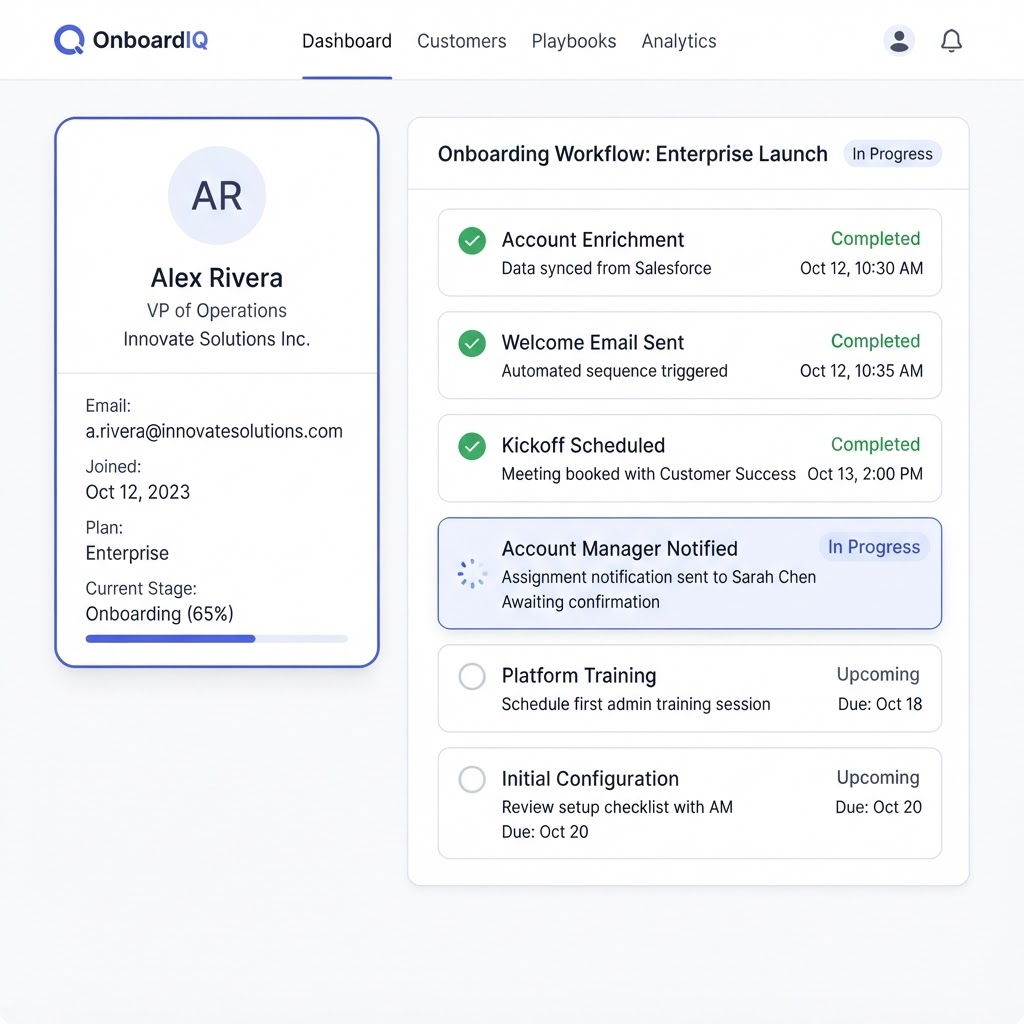
See what a team of resume agents could evaluate inside your hiring workflow.
Book DemoDefine the Role. Direct the Agents. Review the Evidence.
Automatan performs the analytical work across resumes, recruiting records, and approved external sources. Your team controls the criteria, the workflow, and every hiring decision.
Configure how each role is evaluated
Set role-specific requirements, priorities, policies, scoring logic, and evidence standards. Agents adapt to the function, seniority, industry, and context of the hire.
Orchestrate analysis across sources
Agents synthesize job descriptions, resumes, ATS records, interview notes, assessments, connected systems, and approved web sources into one candidate view.
Keep humans in command
Agents prepare evidence, comparisons, questions, and recommendations. Recruiters and hiring managers review the reasoning, resolve uncertainty, and retain final decision authority.
Traditional Systems Move Candidates. Automatan Evaluates Them.
An ATS stores records. Automation moves information when a rule is triggered. Automatan agents determine what needs to be investigated, perform the analysis, evaluate the evidence, and prepare the next decision.
Reasoning beyond keyword overlap
Agents evaluate experience patterns, role context, evidence, relevance, gaps, and transferability. They can identify strong candidates whose fit is real but not obvious from the words on the page.
Multi-agent candidate investigation
Evaluation, research, corroboration, comparison, and interview agents work across a sequence of tasks—not a single predefined action or brittle if-then rule.
Recommendations recruiters can examine
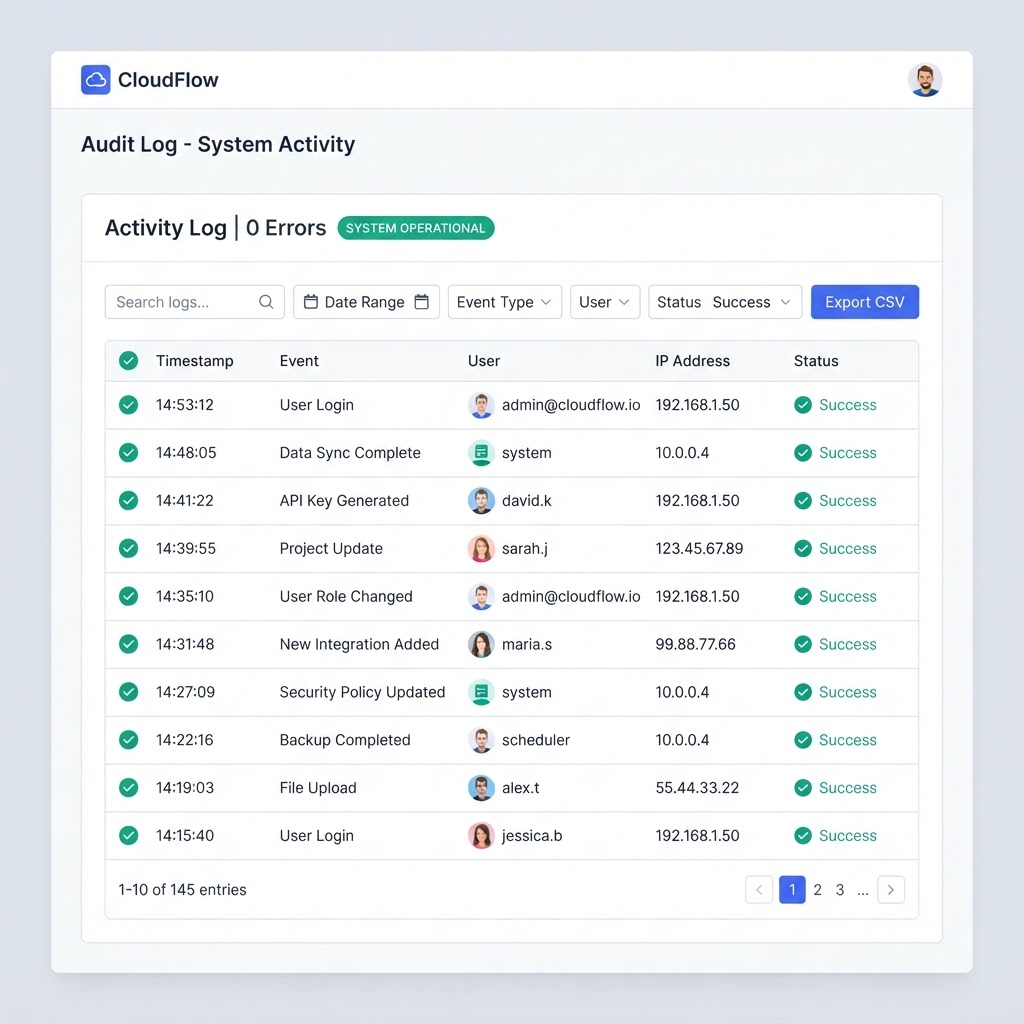
Scores are not black boxes. Automatan shows supporting signals, match and mismatch reasoning, missing evidence, red flags, and uncertainty behind the recommendation.
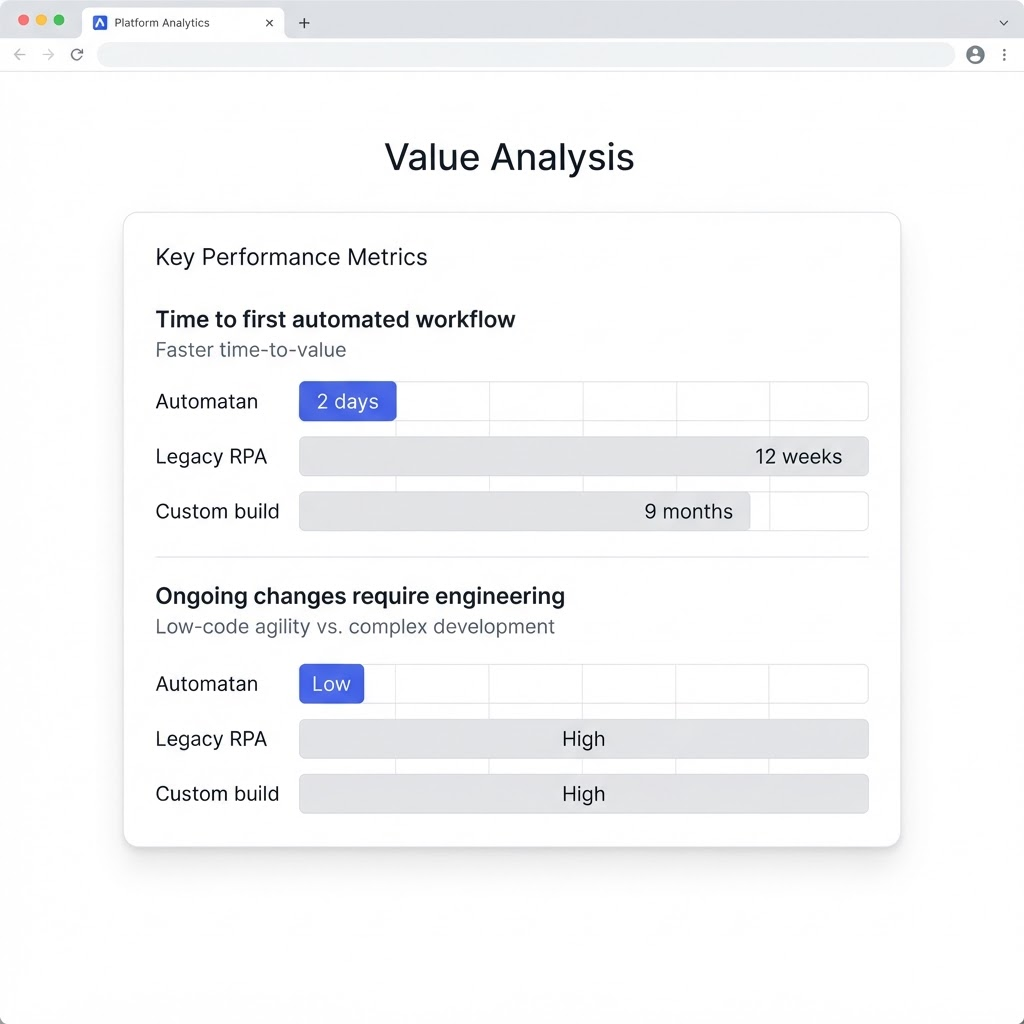
Built for Decisions That Must Be Explained
The agentic hiring model expands recruiter capacity without transferring hiring authority to AI. Teams define what agents evaluate, which sources they may use, and where human judgment must take over.
Human decision authority
Agents prepare the analysis and recommendation. Recruiters and hiring managers decide who advances, who is interviewed, and who is hired.
Explicit uncertainty
When evidence is missing or conflicting, agents surface the uncertainty. They do not convert an unknown into a negative conclusion or invent a fact.
Controlled evaluation
Teams define criteria, priorities, workflows, policies, data sources, and approval points for each role or hiring program.
Purpose-driven web research
Web agents investigate relevant public information through approved sources and defined recruiting questions—not unrestricted candidate surveillance.
Before You Put Agents to Work
Will Automatan make the hiring decision?
Is this more than keyword matching?
What happens when information is missing?
Can we control how candidates are evaluated?
Will every role use the same evaluation?
Can Automatan work with our current recruiting systems?
Can agents research beyond the resume?
Can recruiters see why an agent made a recommendation?
Build an Agentic Talent Acquisition Team
Put specialized AI agents behind every recruiter—evaluating candidates, investigating evidence, preparing comparisons, and turning fragmented hiring data into decisions your team can review and defend.
Bring one role and one resume workflow. We’ll show you how Automatan agents would analyze it.