Build an always-ready agentic medical device lifecycle.
Automatan is the AI operating layer for MedTech—coordinating specialized agents across regulatory strategy, design controls, clinical evidence, quality systems, audit readiness, regulatory change, and post-market surveillance.
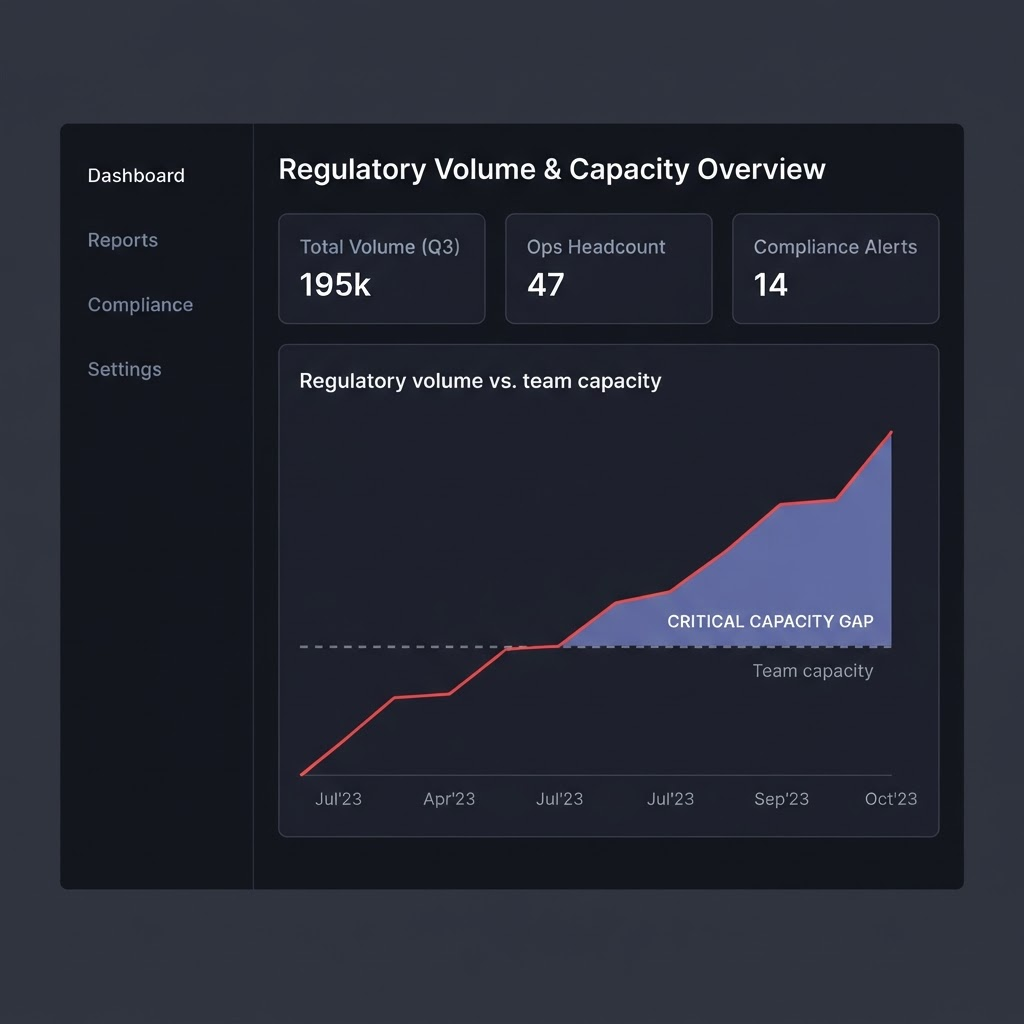
Medical-device complexity has outgrown periodic review.
Medical device companies operate across expanding product portfolios, evolving global requirements, interconnected quality systems, and growing volumes of lifecycle evidence. Yet critical decisions still depend on experts manually searching controlled documents, comparing regulatory requirements, reconstructing traceability, and preparing for audits at fixed points in time. AI agents create a new operating model: continuous analysis of the requirements, evidence, controls, and risks surrounding every device.
Every market creates a different evidence path.
FDA requirements, EU MDR, IVDR, ISO 13485, MDSAP, FDA QMSR, and market-specific obligations create overlapping—but not identical—expectations across products and jurisdictions.
Device truth is distributed across thousands of records.
Design inputs, risk files, verification and validation reports, clinical evidence, supplier records, CAPAs, complaints, labeling, DHFs, DMRs, and DHRs rarely exist in one connected evidence environment.
Audit readiness cannot begin when an audit is announced.
Missing approvals, broken traceability, outdated procedures, unresolved findings, and incomplete objective evidence must be identified continuously—not during inspection preparation.
New field evidence can change the device risk picture.
Complaints, adverse events, recurring failures, supplier issues, and regulatory updates must be evaluated against existing risk controls, clinical conclusions, and quality-system records.
The next generation of MedTech companies will not manage compliance document by document. They will continuously understand the complete evidence system surrounding every device.
Book DemoWhat changes when agents reason across the device lifecycle
The workflows medical device companies transform first—from regulatory pathway decisions to continuous quality and post-market assurance.
Build the evidence path before building the submission
Regulatory Strategy and Evidence Reasoning Agents analyze device classification, intended use, technological characteristics, predicate similarity, AI/ML signals, combination-product considerations, market requirements, design inputs, and anticipated risk controls. They map potential pathways—including 510(k), De Novo, PMA, EU MDR, and IVDR routes—then identify submission requirements, evidence expectations, unresolved questions, and market-authorization dependencies.
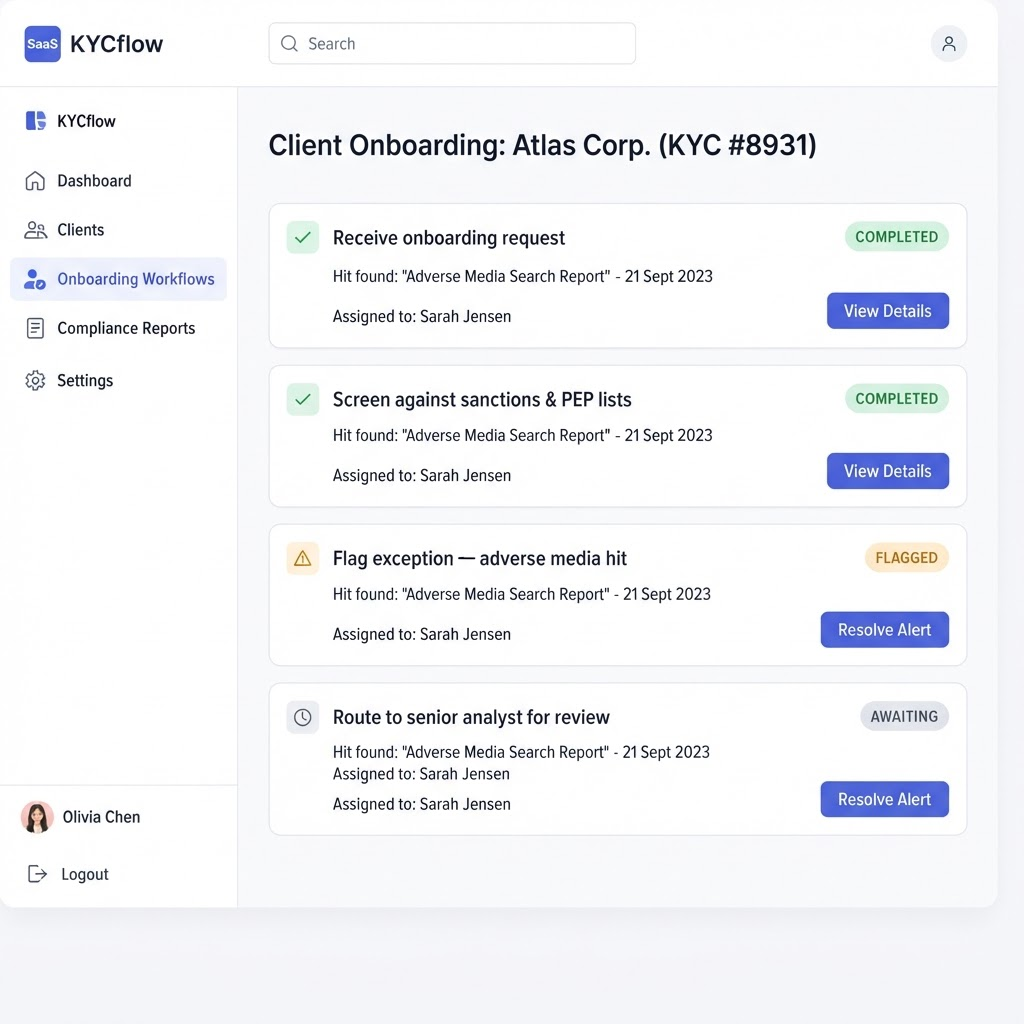
Keep every quality record connected to what it must prove
Quality Documentation, Clinical Evidence, Risk Assessment, and Audit Readiness Agents analyze quality manuals, SOPs, work instructions, DHFs, DMRs, DHRs, risk-management files, CAPAs, nonconformances, validation records, clinical documentation, labeling, and supplier evidence. They detect missing requirements, inconsistent records, weak traceability, incomplete approvals, unsupported conclusions, and gaps between procedures and objective evidence.
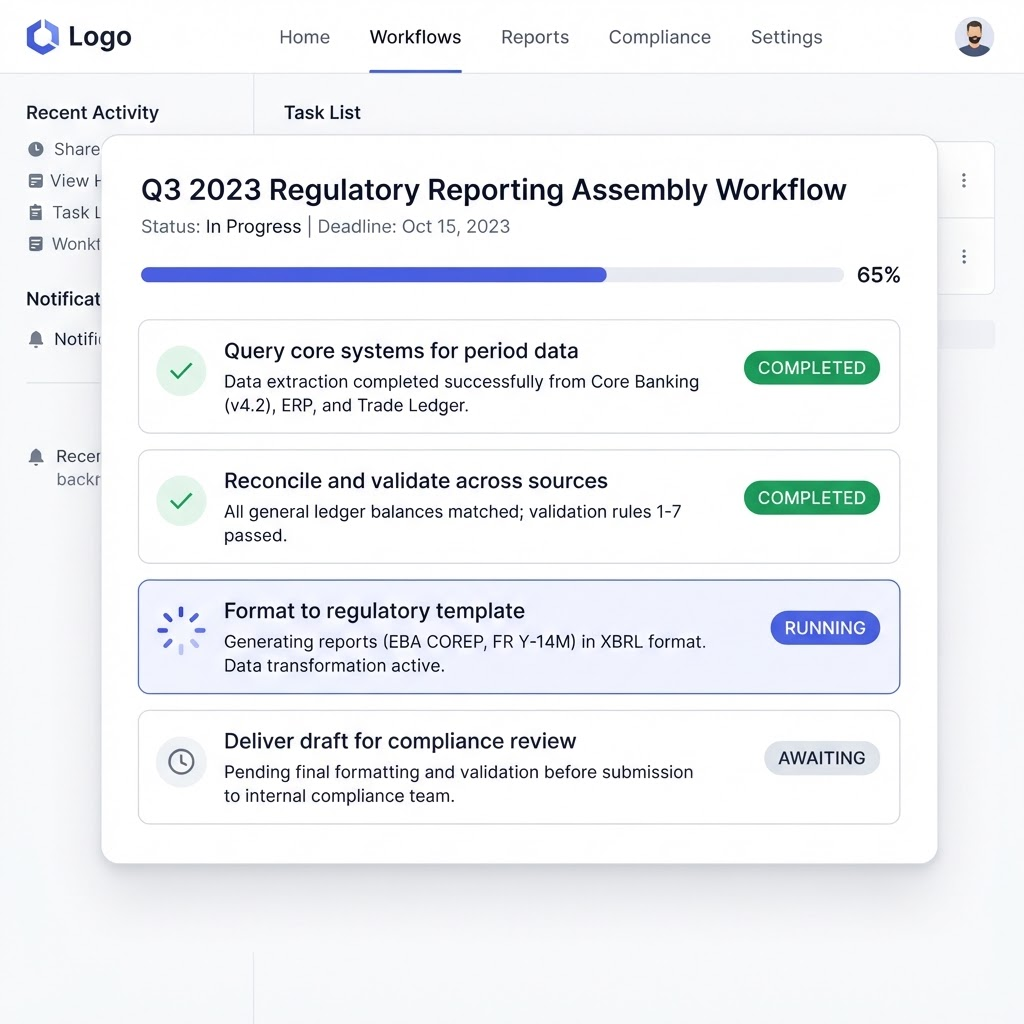
Connect every new requirement and safety signal to its lifecycle impact
Regulatory Change, Multi-Standard Compliance, and Post-Market Surveillance Agents evaluate FDA guidance, QMSR requirements, ISO revisions, MDR and IVDR obligations, complaints, adverse events, field-performance data, and emerging safety patterns. They map changes and signals to affected devices, procedures, controls, risk files, clinical evidence, labeling, suppliers, and market authorizations.
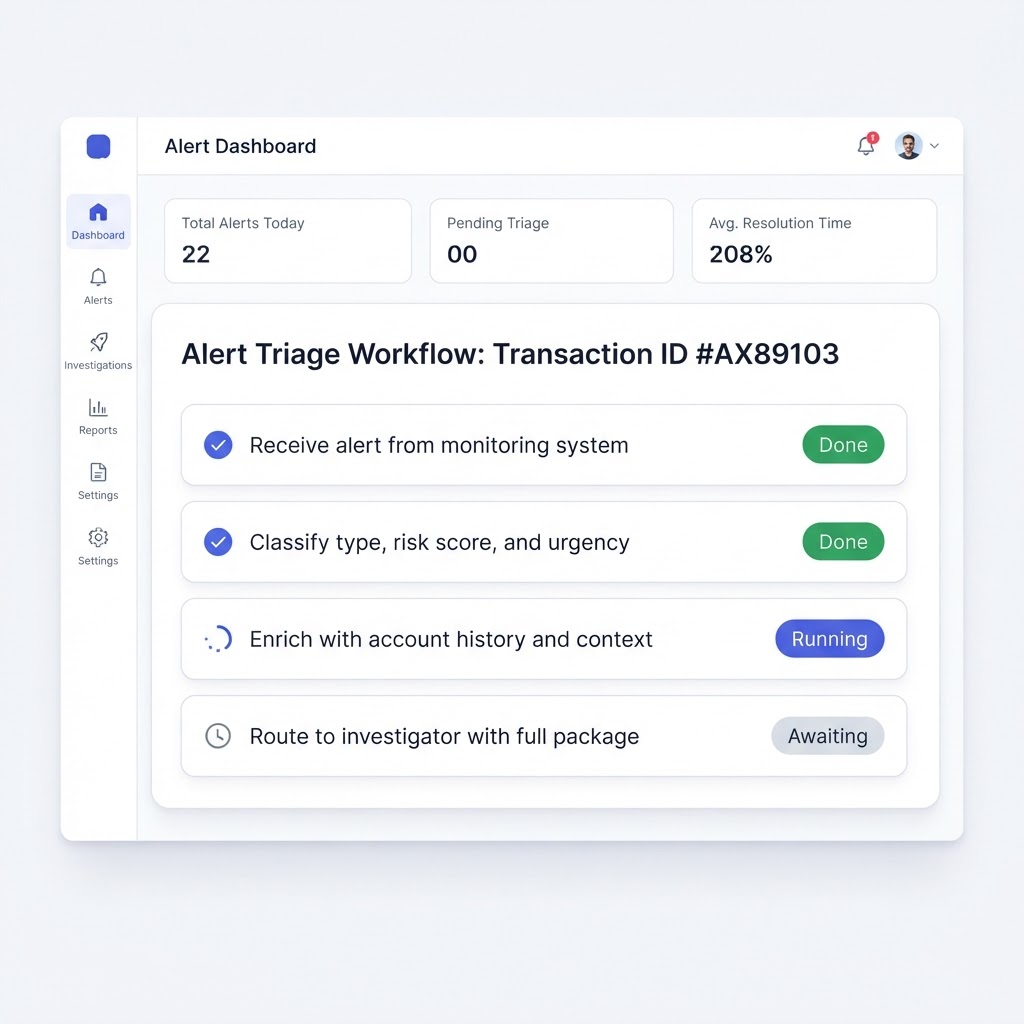
See these agentic MedTech workflows operating across your device documentation, quality system, and regulatory evidence.
Book DemoThe regulatory reasoning layer across your MedTech systems
Your eQMS, document management, PLM, regulatory, clinical, laboratory, manufacturing, and post-market systems maintain records and workflows. Automatan operates across the evidence inside them—connecting requirements, controlled documents, device records, quality events, clinical conclusions, and risk signals. No rip-and-replace. Existing systems remain the sources of record. Automatan becomes the AI operating layer for understanding the complete medical device lifecycle.
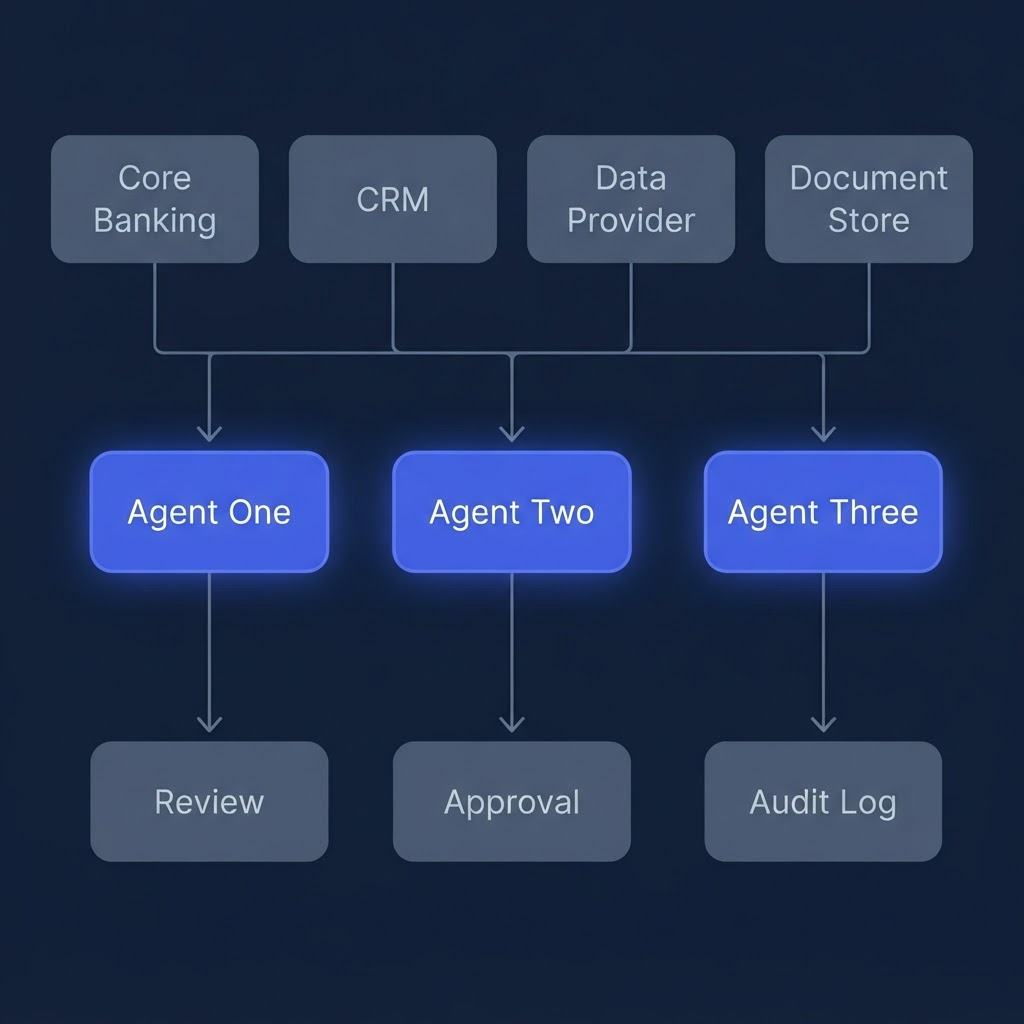
Connects the device evidence chain
Bring together regulatory requirements, design inputs and outputs, verification and validation evidence, risk controls, clinical records, labeling, supplier documentation, manufacturing history, CAPAs, complaints, and post-market data.
Orchestrates specialized MedTech agents
Deploy coordinated agents for regulatory strategy, QMS analysis, clinical evidence review, audit readiness, regulatory change assessment, multi-standard mapping, risk evaluation, and post-market surveillance.
Preserves expert authority and traceability
Agents identify, compare, map, and recommend. Regulatory, Quality, Clinical, Engineering, and Safety professionals retain control over interpretations, approvals, submissions, quality decisions, and patient-impacting actions. Every material finding can remain connected to its source requirement, document version, supporting evidence, and review status.
Built for regulated product environments
Medical device documentation contains controlled product information, clinical evidence, risk decisions, manufacturing records, supplier data, and post-market safety information. Automatan brings enterprise security, access governance, evidence traceability, and auditability to every agentic MedTech workflow.
Turn regulatory complexity into lifecycle advantage.
Automatan helps medical device companies accelerate market access, strengthen quality assurance, and scale compliance across products and jurisdictions—without increasing manual review at the same rate.
Reach submission readiness with fewer late-stage surprises
Map regulatory pathways earlier, clarify market-specific expectations, assess predicate similarity, evaluate design-input completeness, and identify missing clinical, technical, or risk evidence before it delays authorization. Give leadership a clearer view of submission readiness, unresolved dependencies, and the evidence required to move a device toward market.
Move from audit preparation to continuous readiness
Continuously evaluate controlled documents, design-history evidence, manufacturing records, CAPAs, nonconformances, supplier files, validation records, and audit responses. Identify missing evidence and traceability breaks earlier—reducing remediation pressure before FDA inspections, ISO audits, MDSAP assessments, and supplier audits.
Detect regulatory and quality impact before it spreads
Connect regulatory changes, complaints, adverse events, field failures, supplier signals, and recurring nonconformances to affected devices, risk controls, evidence packages, and quality-system processes. Help teams protect product safety, market continuity, regulatory standing, and confidence across the device portfolio.
What MedTech executives and compliance leaders will ask
These are the questions that arise when medical device companies move from document management to agentic lifecycle governance.
How does this create measurable business value?
How is this different from an eQMS or document management system?
Will AI replace Regulatory, Quality, or Clinical professionals?
Can AI be trusted with regulated documentation?
Can agents understand the complexity of our specific device?
Can Automatan support multiple standards and markets?
Run the medical device lifecycle with AI agents.
We’ll map your regulatory, quality, clinical, audit, and post-market workflows—then identify where specialized agents can create the greatest impact on market access, evidence readiness, compliance assurance, and product risk. Thirty minutes. Your device lifecycle. A practical path to AI-native MedTech operations.
Typically responds within 4 hours