01 · Ingest & Connect
Bring every modality into view.
Connect documents, images, charts, diagrams, audio, video, applications, sensors, and structured enterprise data.
INSPECTION_REPORT.PDF — READY
ASSEMBLY_VIDEO.MP4 — READY
SENSOR_DATA.CSV — READY
Automatan gives enterprise AI agents the ability to perceive, connect, and reason across documents, images, diagrams, charts, audio, video, and structured data—creating intelligence from the complete information environment.
Cross-modal perception · Vision-language reasoning · Evidence-grounded decisions
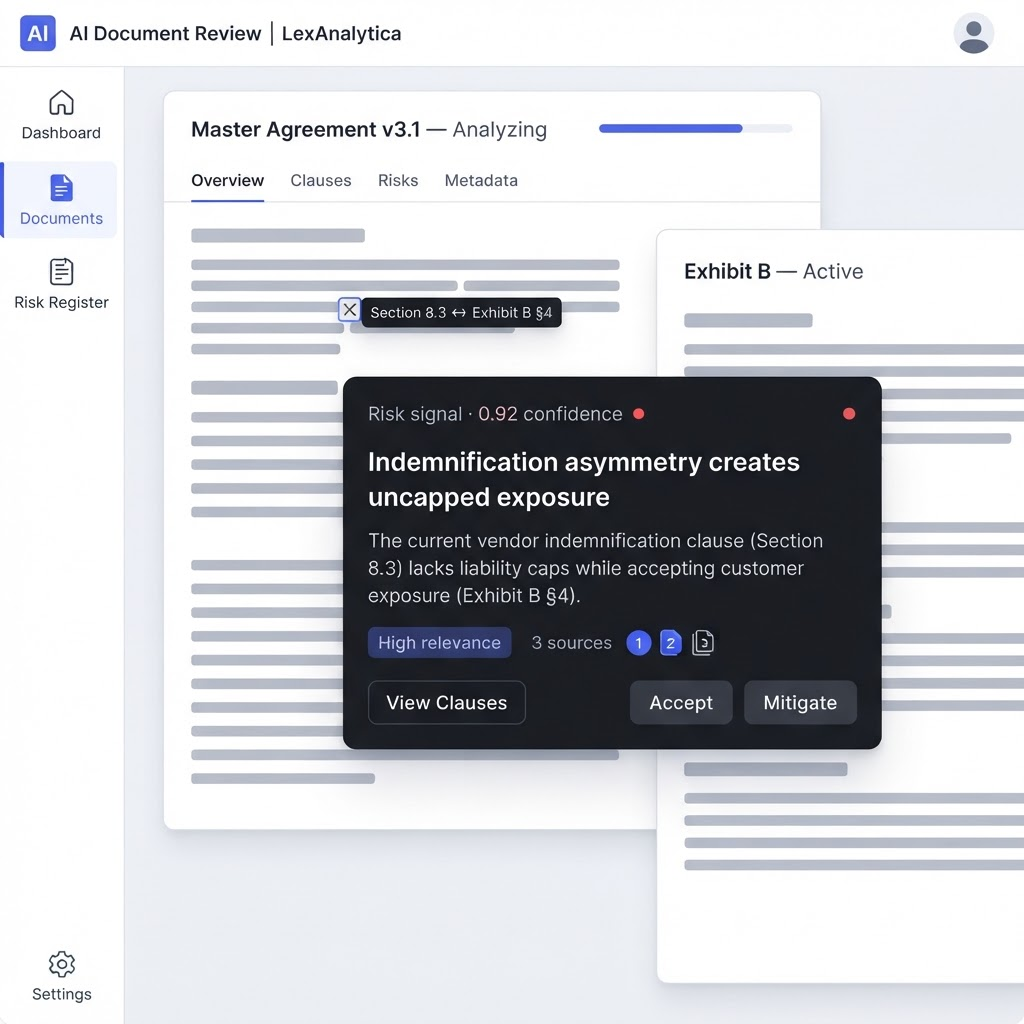
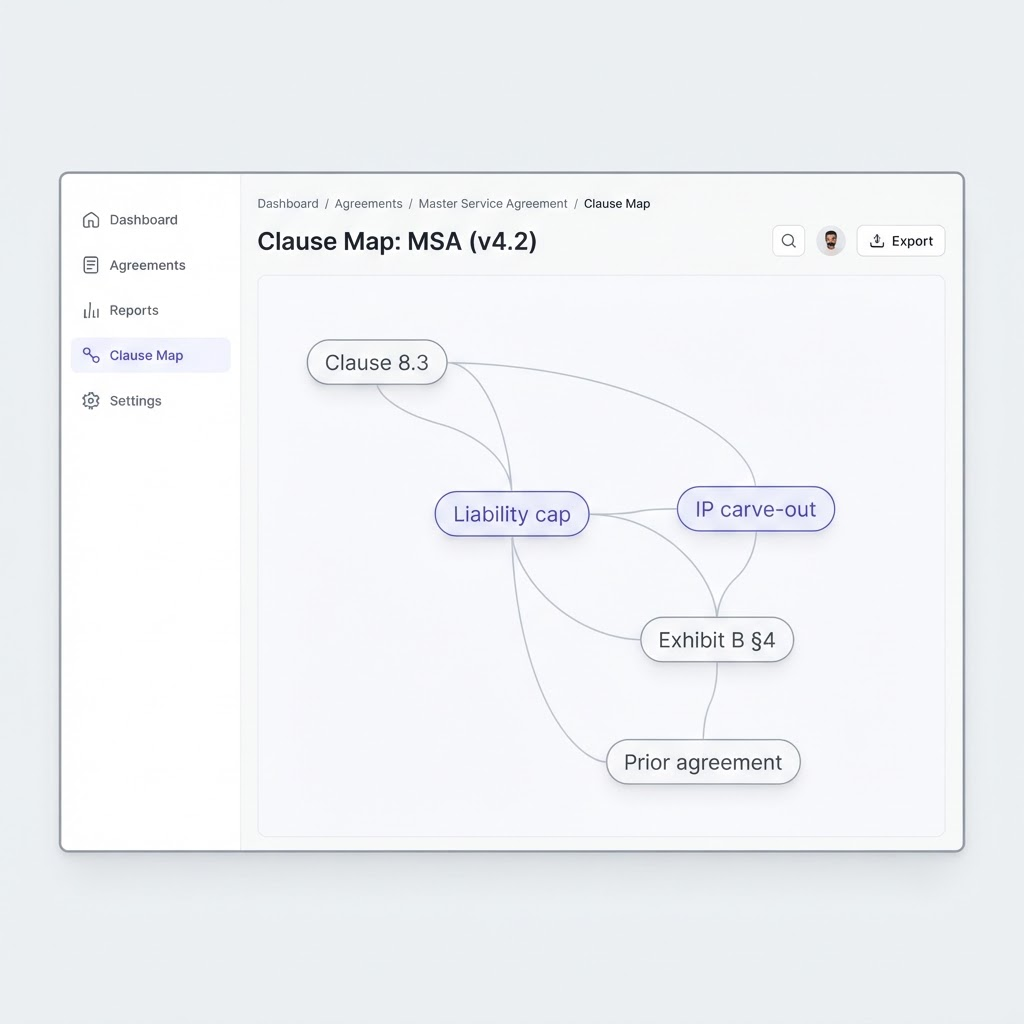
An AI perception layer that understands and combines multiple information modalities within one reasoning environment.
OCR extracts text. Vision systems classify images. Transcription converts speech. These systems process formats independently without understanding the relationships between them.
Automatan connects language, visual structure, spatial signals, spoken information, and enterprise data—allowing agents to reason across the complete business context.
Each stage converts fragmented, multimodal information into connected context, grounded understanding, and actionable intelligence.
Connect documents, images, charts, diagrams, audio, video, applications, sensors, and structured enterprise data.
Vision-language models and specialized perception systems identify entities, objects, speech, layouts, tables, sequences, spatial relationships, and visual signals.
Map the same entities, events, products, locations, and conditions across written records, visual evidence, recordings, and structured systems.
Agents compare signals, identify inconsistencies, discover patterns, resolve ambiguity, and reason across information that no single modality can explain independently.
Produce grounded findings, recommendations, evidence packages, and workflow triggers based on the complete multimodal context.
Six capabilities combine into one multimodal intelligence system.
Interpret document structure, text, tables, forms, diagrams, annotations, references, and relationships across native and scanned files.
Identify characteristics, patterns, anomalies, conditions, and relationships within product images, screenshots, technical visuals, and real-world scenes.
Interpret customer calls, meetings, interviews, voice notes, and operational recordings for topics, sentiment, decisions, commitments, and actions.
Understand events, behaviors, demonstrations, inspections, and operational sequences across time—not simply individual frames.
Connect written, visual, spoken, spatial, and structured evidence to answer questions that cannot be resolved through one modality alone.
Use perceived information to initiate reviews, support decisions, generate evidence packages, and trigger controlled enterprise workflows.
Automatan preserves the relationship between source information, cross-modal interpretation, and business conclusions so reviewers can understand not only the finding, but the evidence across formats that produced it.
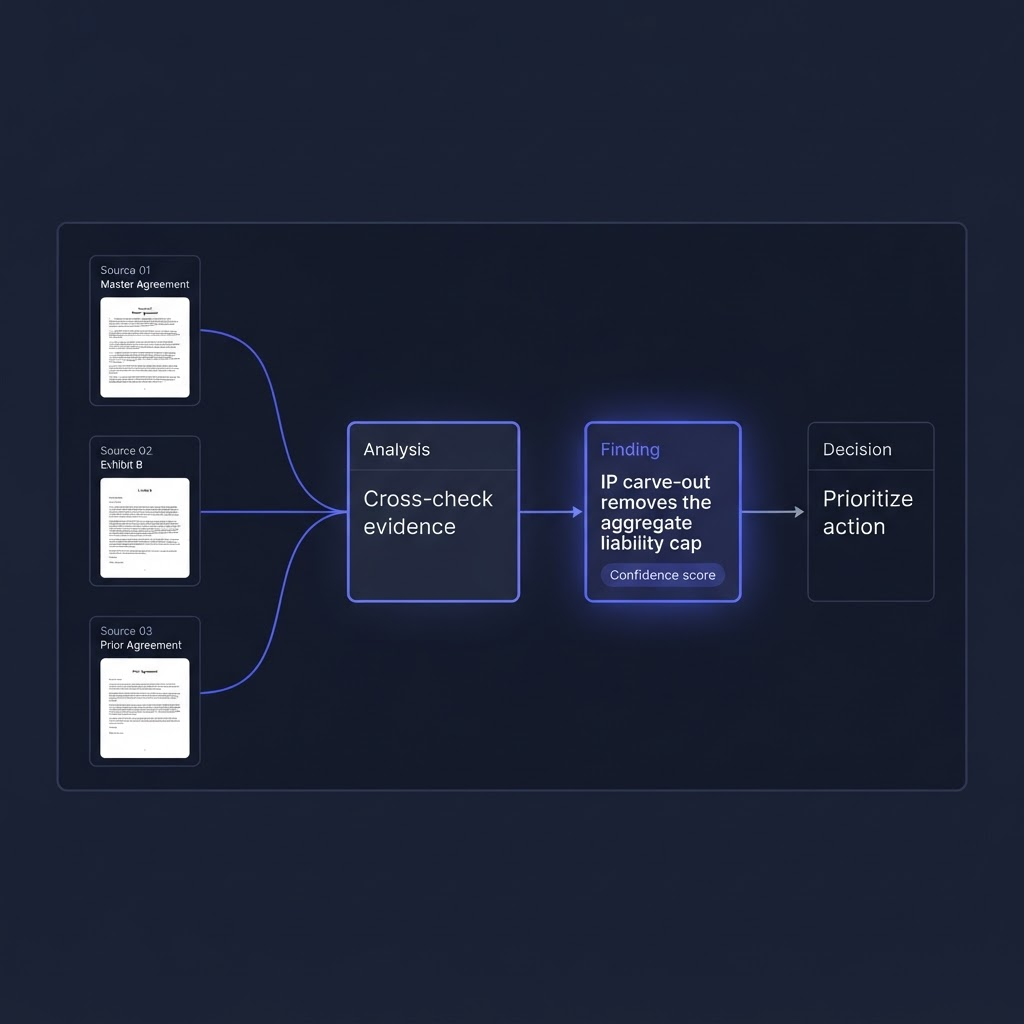
Trace findings back to the document region, image area, video segment, audio timestamp, or structured record supporting them.
Confirm signals from one modality against related information in other formats and enterprise systems.
Communicate how strongly the available multimodal evidence supports each interpretation and conclusion.
Surface conflicts between written records, visual evidence, spoken statements, structured data, and observed conditions.
Route uncertain, sensitive, or high-impact interpretations to domain experts with the supporting evidence already assembled.
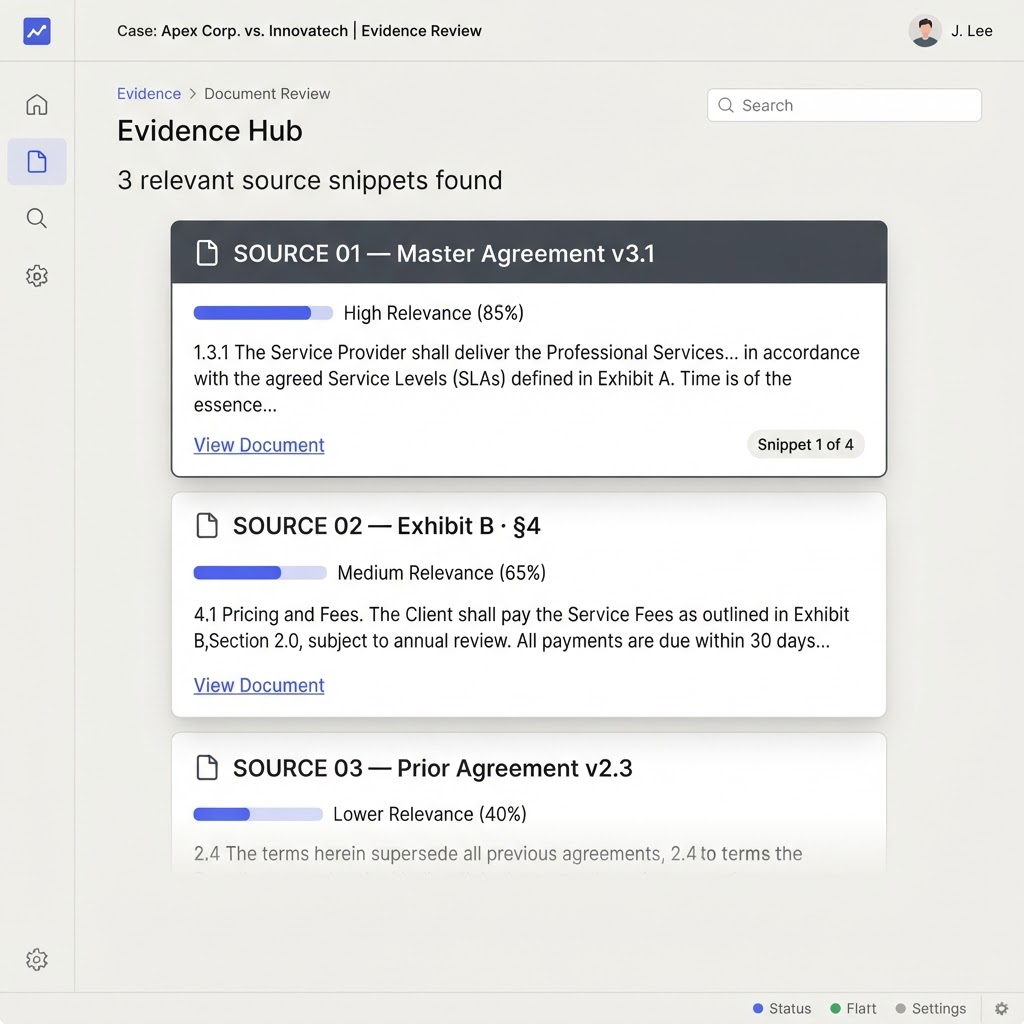
Finding, visual evidence, documentary context, operational data, and action—connected in one review surface.
The inspection image shows an assembly orientation inconsistent with the approved engineering drawing. The written inspection report records the component as compliant.
The timestamped production record confirms the photographed unit belongs to the inspected batch. Sensor readings show an abnormal alignment measurement during the same assembly stage.
High priority · Product quality exposure · Documentation inconsistency.
Quarantine the affected batch, initiate a quality investigation, and reconcile the inspection report with the visual and sensor evidence.
TLS 1.3, AES-256, RBAC, SSO/SAML.
Multimodal evaluation, confidence signals, source grounding, and human-review controls.
Zero-retention default and no training on customer data.
SaaS, VPC, on-prem, APIs, and enterprise SDKs.