Build customer operations that understand every interaction.
Automatan is the AI operating layer for modern customer operations—deploying specialized agents that analyze conversations, uncover operational patterns, detect service issues, and turn customer interactions into business decisions.
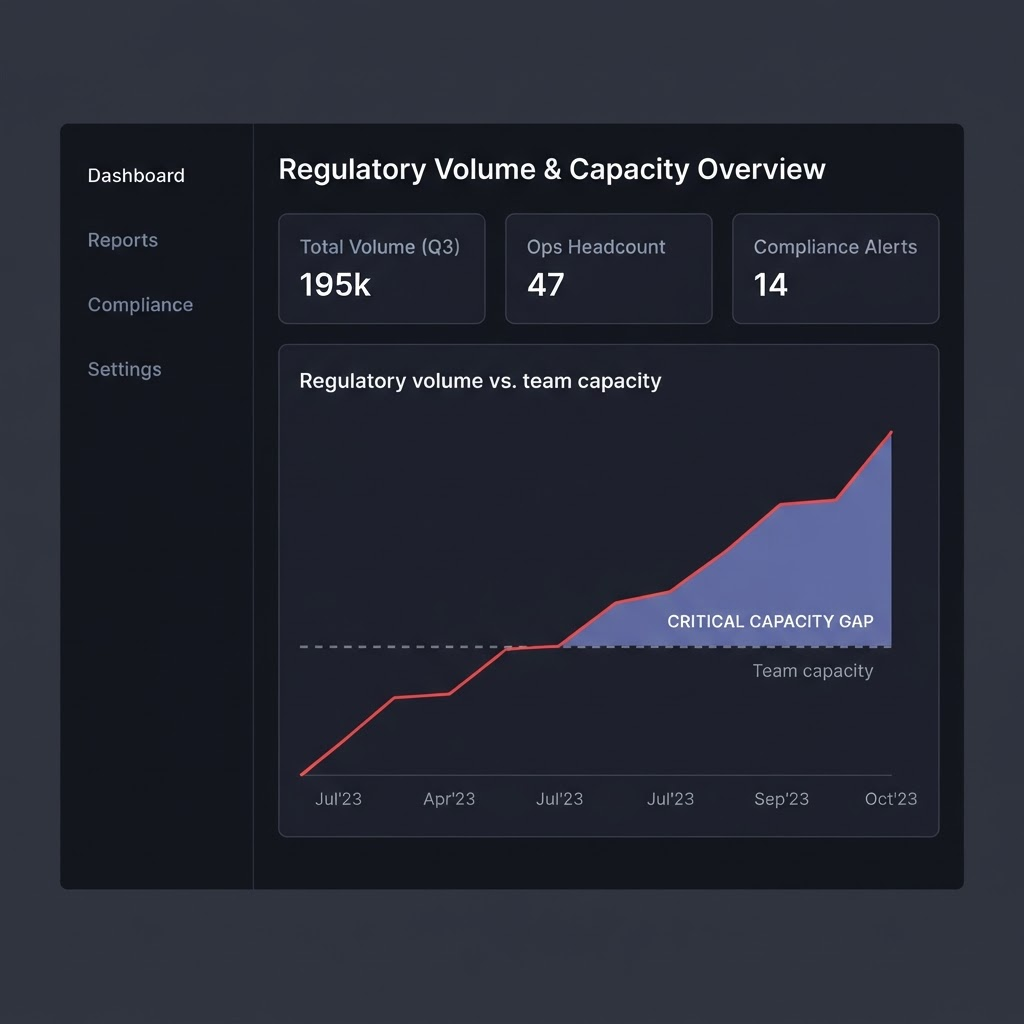
Customer support has entered its AI-native era.
Traditional support models were built around ticket queues, manual reporting, sampled quality reviews, and reactive issue management. But conversation volumes, customer expectations, product complexity, and service economics have changed. AI is moving beyond chatbots and workflow automation. Specialized agents can now analyze customer interactions continuously—helping organizations understand what is happening, why it is happening, and where they should act.
Sampling can no longer represent the customer experience.
Thousands or millions of conversations contain signals about recurring issues, customer frustration, product gaps, operational failures, and churn risk. Most organizations examine only a fraction of them.
Customers expect more than a fast response.
They expect accurate resolutions, consistent service, personalized experiences, and proactive communication across every channel and interaction.
Support issues rarely exist inside one ticket.
The same underlying problem can appear across conversations, products, customer segments, regions, and channels. Identifying it requires analysis across the complete customer context.
Service quality cannot depend on linear hiring.
As customer and conversation volumes grow, adding more support employees cannot remain the only way to protect response quality and customer experience.
The future customer support organization will not only answer customers faster. It will understand customers continuously.
Book DemoWhat changes when AI agents understand every conversation
The customer operations workflows organizations transform first—from continuous conversation analysis to proactive service improvement.
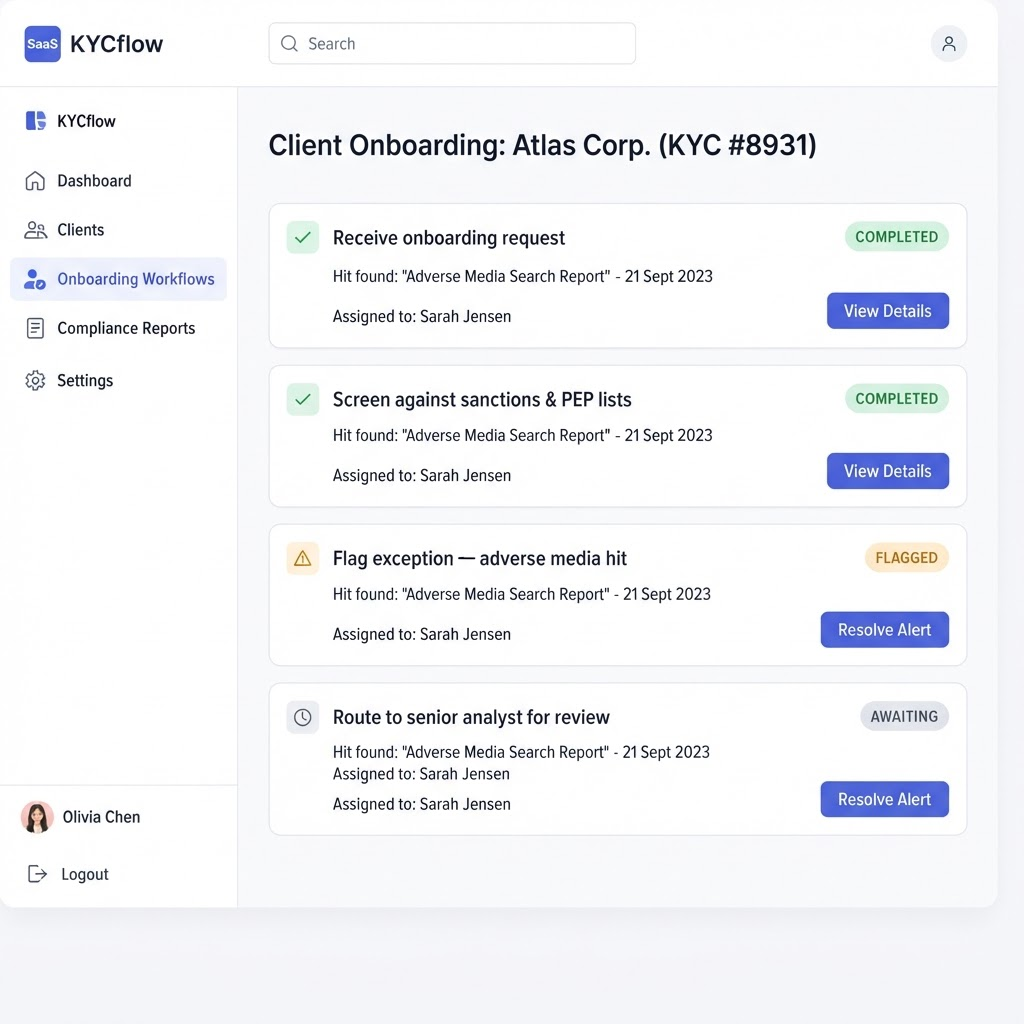
Analyze every interaction—not a sample
Conversation Analysis and Customer Sentiment Agents examine support tickets, chat interactions, email threads, and customer conversations. They classify issues, identify recurring themes, detect frustration, and surface changes in customer experience.
Find the system behind the support problem
Root Cause Analysis and Escalation Detection Agents connect repeated complaints, product issues, workflow failures, documentation gaps, and customer frustration across thousands of interactions.
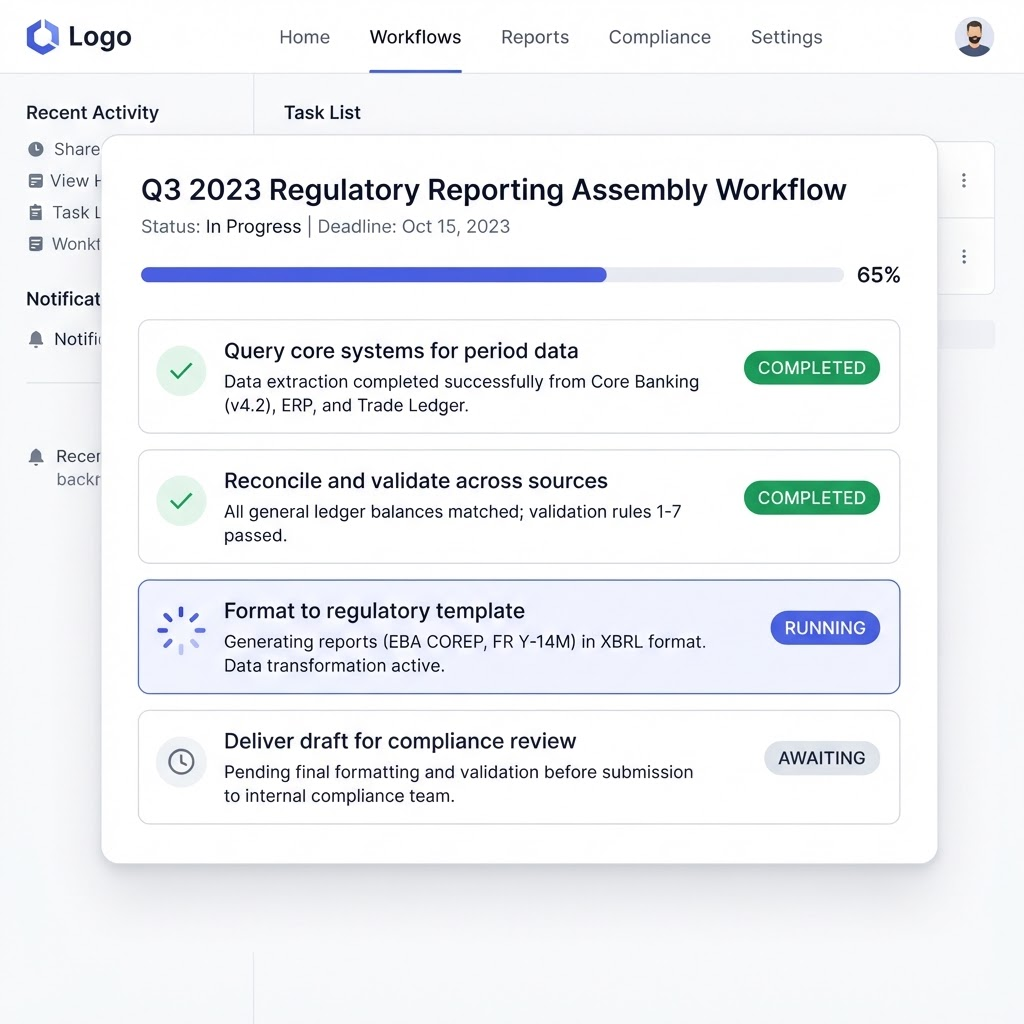
Turn customer conversations into business action
Quality Analysis and Product Feedback Agents evaluate resolution effectiveness, service consistency, response quality, feature requests, and recurring customer needs—creating evidence-backed recommendations for support, product, and operations teams.
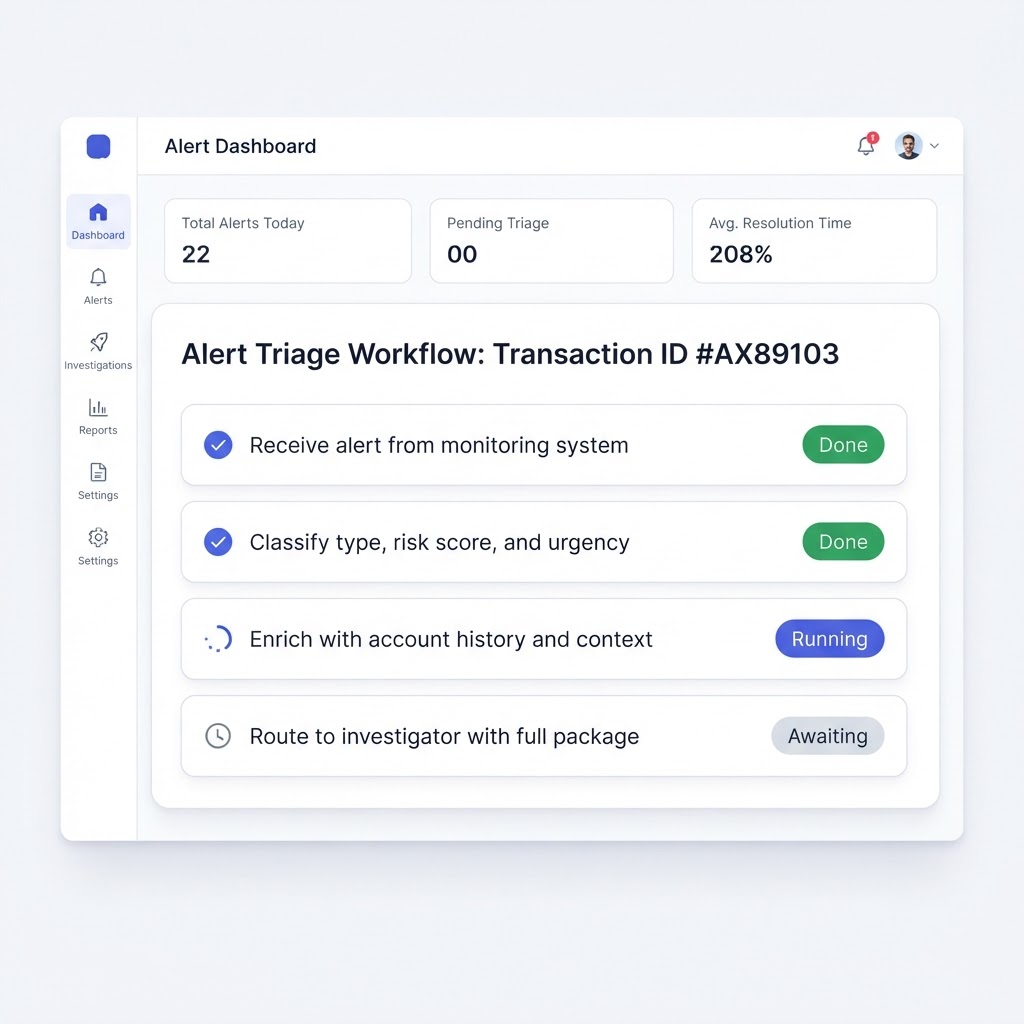
See these customer operations workflows running with your conversations and support systems.
Book DemoThe AI operating layer for customer operations
Your support platform manages tickets, routes conversations, tracks service levels, and stores customer history. Automatan operates across that information—analyzing interactions, connecting patterns, investigating issues, and recommending where teams should act. No rip-and-replace. Automatan adds an agentic analysis layer to the customer systems and workflows your organization already runs.
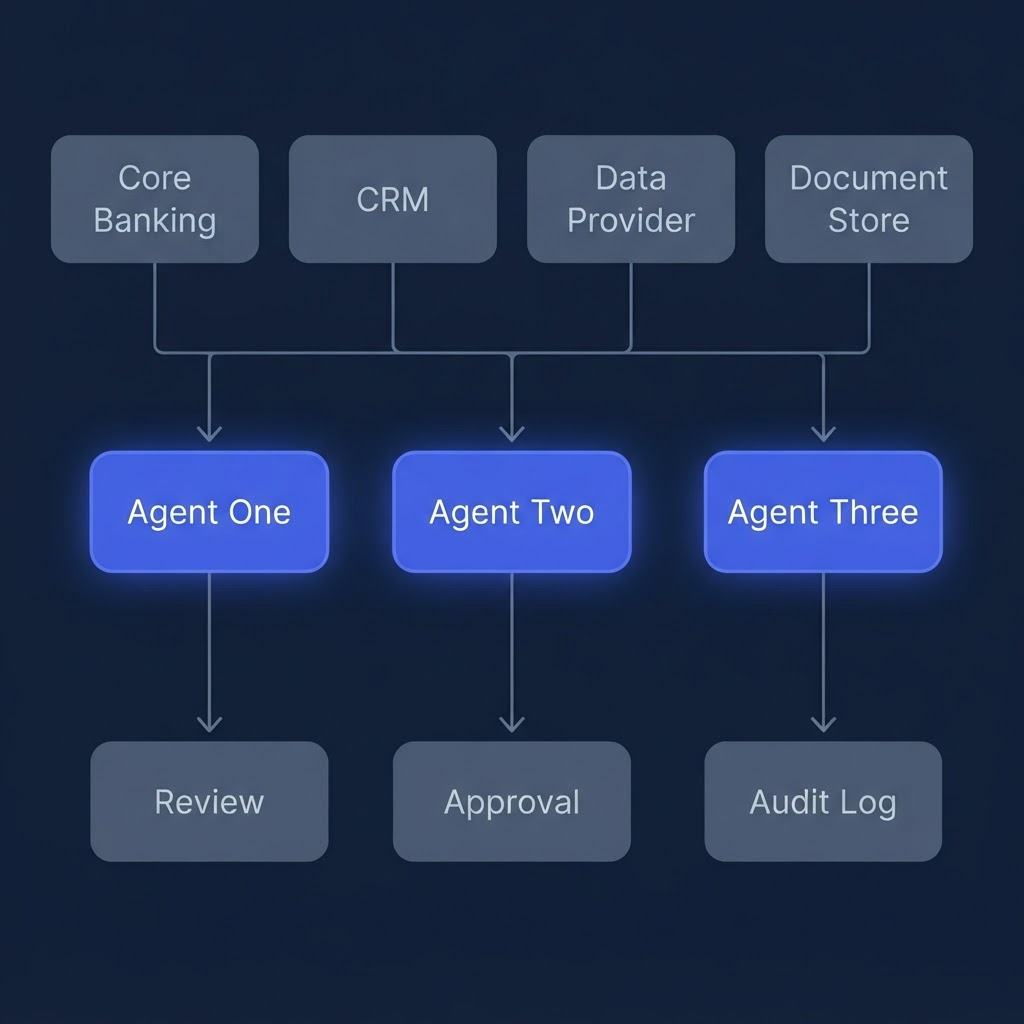
Connects customer context across systems
Bring together tickets, chats, emails, customer histories, product information, knowledge bases, quality standards, and operational data for coordinated agent analysis.
Orchestrates specialized customer experience agents
Conversation Analysis, Root Cause, Escalation Detection, Product Feedback, Resolution Analysis, and Quality Assurance Agents work together across multi-agent customer workflows.
Keeps humans responsible for action
Customer operations teams define priorities, review supporting evidence, validate findings, and decide how to respond. Agents expand operational visibility while humans retain accountability.
Built for enterprise customer operations
Customer conversations can contain sensitive personal, commercial, and account information. Automatan brings enterprise security, governance, access control, and auditability to every agentic customer workflow.
Turn customer understanding into operating advantage.
Automatan helps organizations improve the economics, consistency, and strategic value of customer support—transforming conversations from operational records into a continuous source of business improvement.
Scale customer operations without linear hiring
AI agents continuously analyze conversations, classify issues, identify patterns, and investigate recurring problems. Support teams can handle growing interaction volumes without increasing analytical and operational overhead at the same rate.
Identify damaging experiences earlier
Detect recurring friction, unresolved problems, frustration signals, and escalation risks before they become larger service failures. Teams can prioritize the customer issues most likely to affect satisfaction, loyalty, and retention.
Make every interaction improve the business
Transform customer conversations into evidence-backed recommendations for support processes, knowledge content, product priorities, agent coaching, and operational improvement.
What customer leaders and support teams will ask
These are the questions that arise when organizations move toward AI-native customer operations.
How does this improve customer operations economics?
Will AI replace support agents?
How is this different from a chatbot?
Can we trust AI-generated findings?
Will agents understand our specific business?
Does Automatan replace our support platform?
Build customer operations that improve with every interaction.
We’ll examine your customer workflows, identify where specialized agents can create the greatest operational advantage, and model the opportunity across cost-to-serve, service quality, customer retention, and support scalability.
Typically responds within 4 hours