Build the AI-native private equity firm
Automatan is the AI operating layer for modern private equity—deploying specialized agents across deal screening, due diligence, thesis validation, investment committee preparation, portfolio monitoring, and value creation.
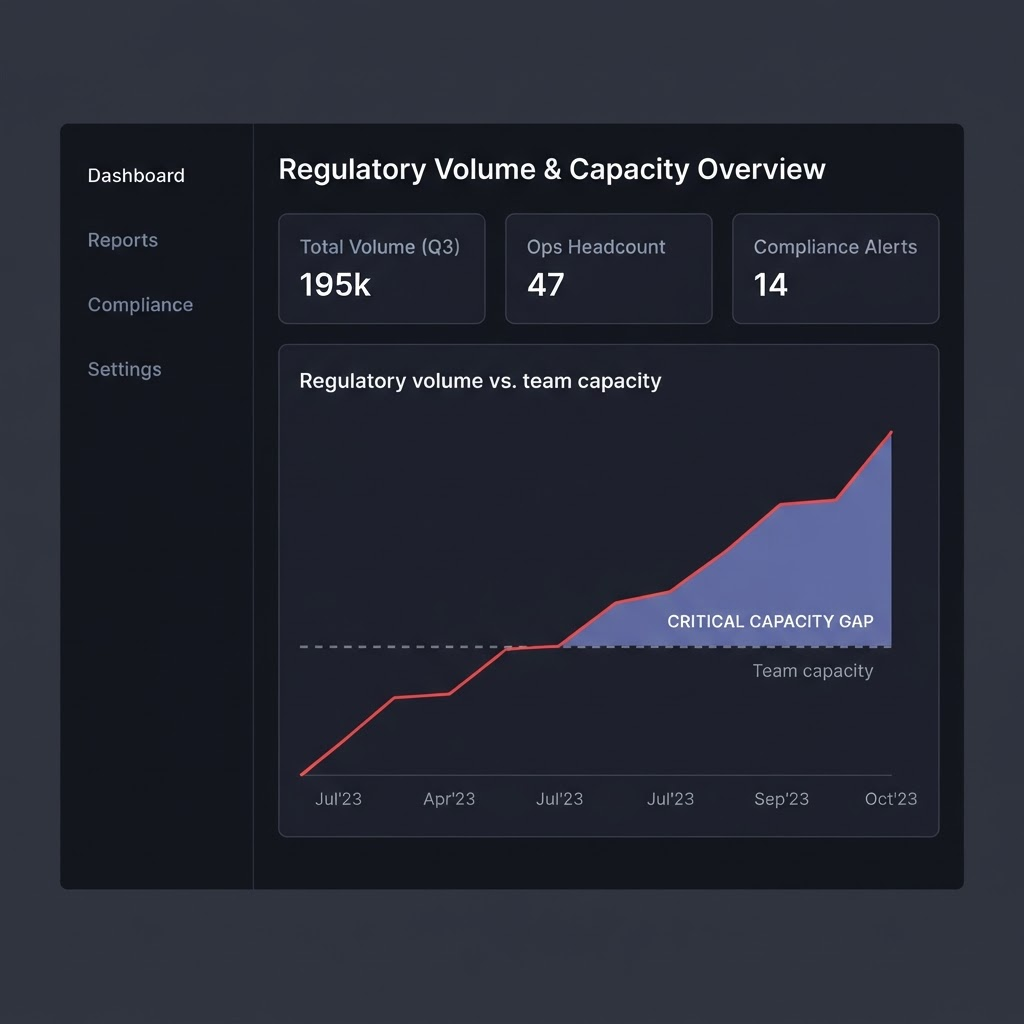
Information advantage now depends on analytical velocity.
Private equity firms have never lacked information. The constraint is the capacity to continuously analyze financial, commercial, legal, operational, and market evidence at the speed of an investment process. AI has moved beyond document summarization. Specialized agents can now investigate assumptions, connect findings across workstreams, detect contradictions, and maintain investment context from initial screening through exit.
Conviction must form before the process moves on.
Competitive processes compress the time available to understand the asset, pressure-test the thesis, identify fatal risks, and determine where diligence resources should focus.
Every transaction produces more evidence to reconcile.
CIMs, financial models, customer files, contracts, management presentations, market reports, operational data, and advisor workstreams create thousands of pages and interconnected findings.
Investment risk rarely exists inside one workstream.
Revenue quality can affect leverage capacity. Customer concentration can change the commercial thesis. Contract terms can alter forecast confidence. Operational constraints can redefine the value-creation plan.
Value creation requires continuous operating visibility.
Monthly reporting can show that performance moved. It does not always explain why it moved, what is emerging underneath the headline KPI, or where the operating team should intervene.
The private equity firms of the future will not win by having more analysts review more documents. They will win by deploying AI agents that continuously transform information into investment advantage.
Book DemoWhat changes when AI agents operate across the investment lifecycle
The workflows firms transform first—from initial deal qualification to integrated diligence and portfolio value creation.
Know where conviction can be built before committing the team
Deal Screening, Market Assessment, and Investment Thesis Agents analyze teasers, CIMs, company materials, historical financials, management projections, market research, competitive positioning, and available operating data. They evaluate fit against the investment mandate, identify initial value drivers, test the internal logic of the opportunity, surface potential risks, and create a structured map of assumptions requiring validation.
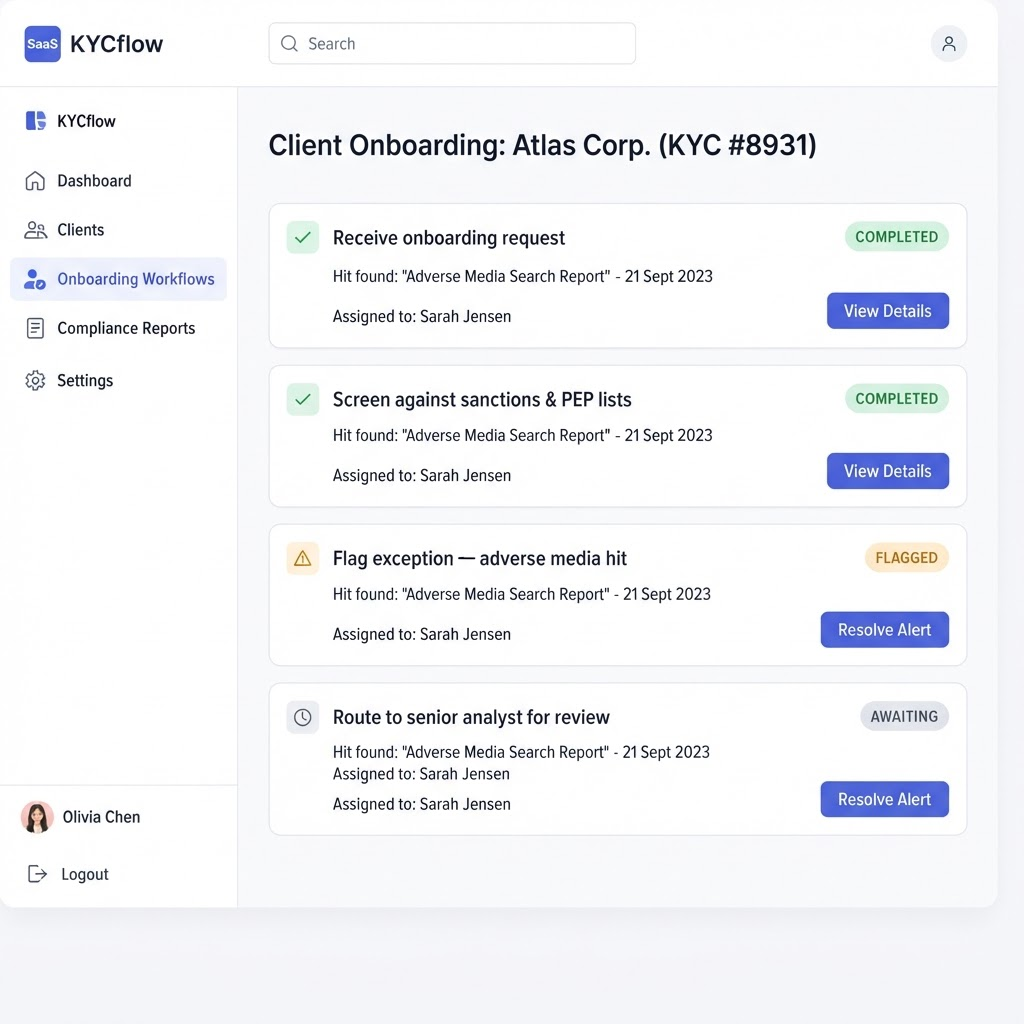
Connect every diligence workstream to the investment decision
Financial, Commercial, Legal, Operational, and Investment Committee Agents analyze the full deal room across revenue, margins, working capital, cash conversion, customer concentration, cohort performance, contracts, liabilities, operating capacity, and market dynamics. They connect findings across workstreams, test management assumptions against available evidence, identify inconsistencies, and maintain a decision-ready view of what supports—or weakens—the investment thesis.
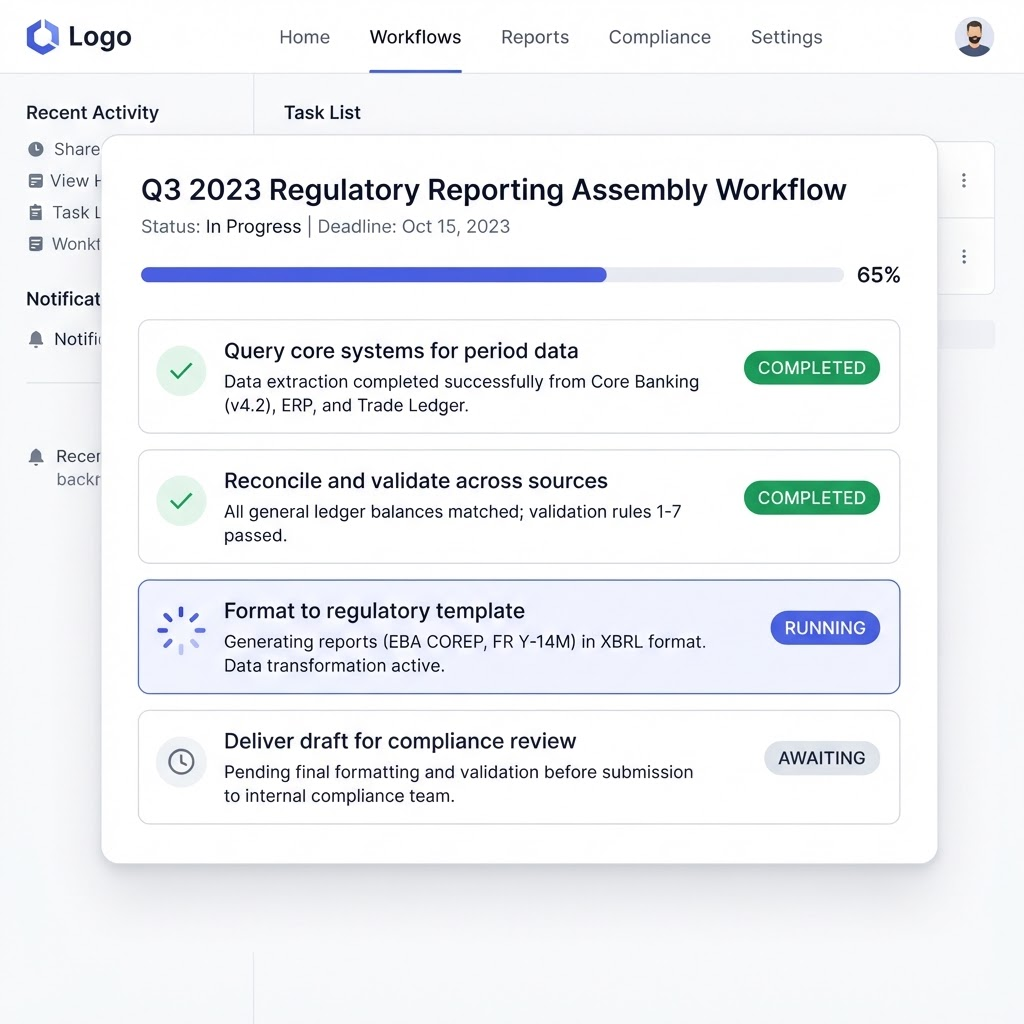
Move from retrospective reporting to continuous portfolio action
Portfolio Monitoring and Value Creation Agents analyze management accounts, budgets, forecasts, operating KPIs, board materials, commercial pipelines, customer signals, working-capital movements, and initiative-level performance. They detect emerging variance, investigate the drivers behind performance, compare results with the underwriting case, and identify where operating-partner attention can create the greatest impact.
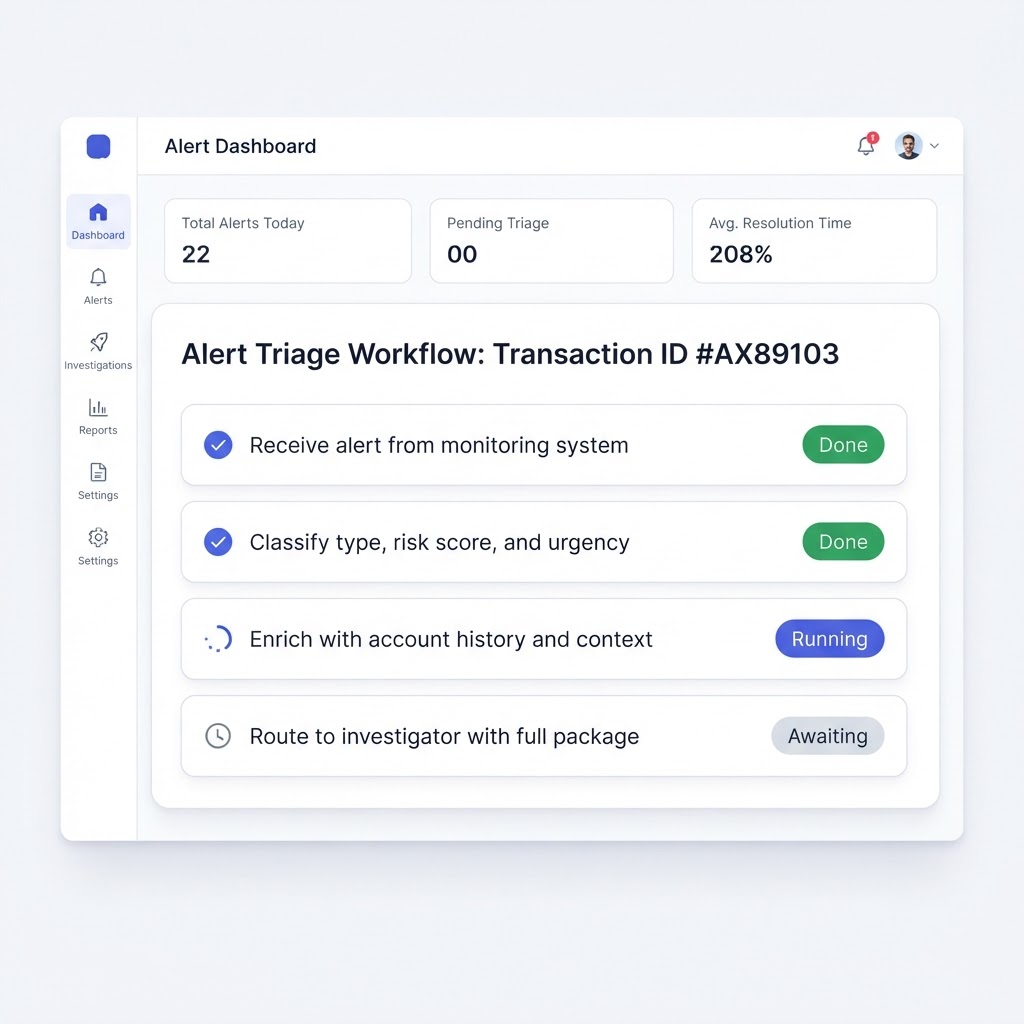
See these agentic investment workflows running across your deal and portfolio information.
Book DemoThe investment reasoning layer across your firm
Your deal pipeline, virtual data rooms, financial models, research platforms, portfolio dashboards, and company systems each hold part of the investment picture. Automatan connects the relevant evidence across them—allowing specialized agents to analyze the opportunity or portfolio company as one investment context. No rip-and-replace. Existing platforms remain the systems of record. Automatan becomes the AI operating layer across the investment lifecycle.
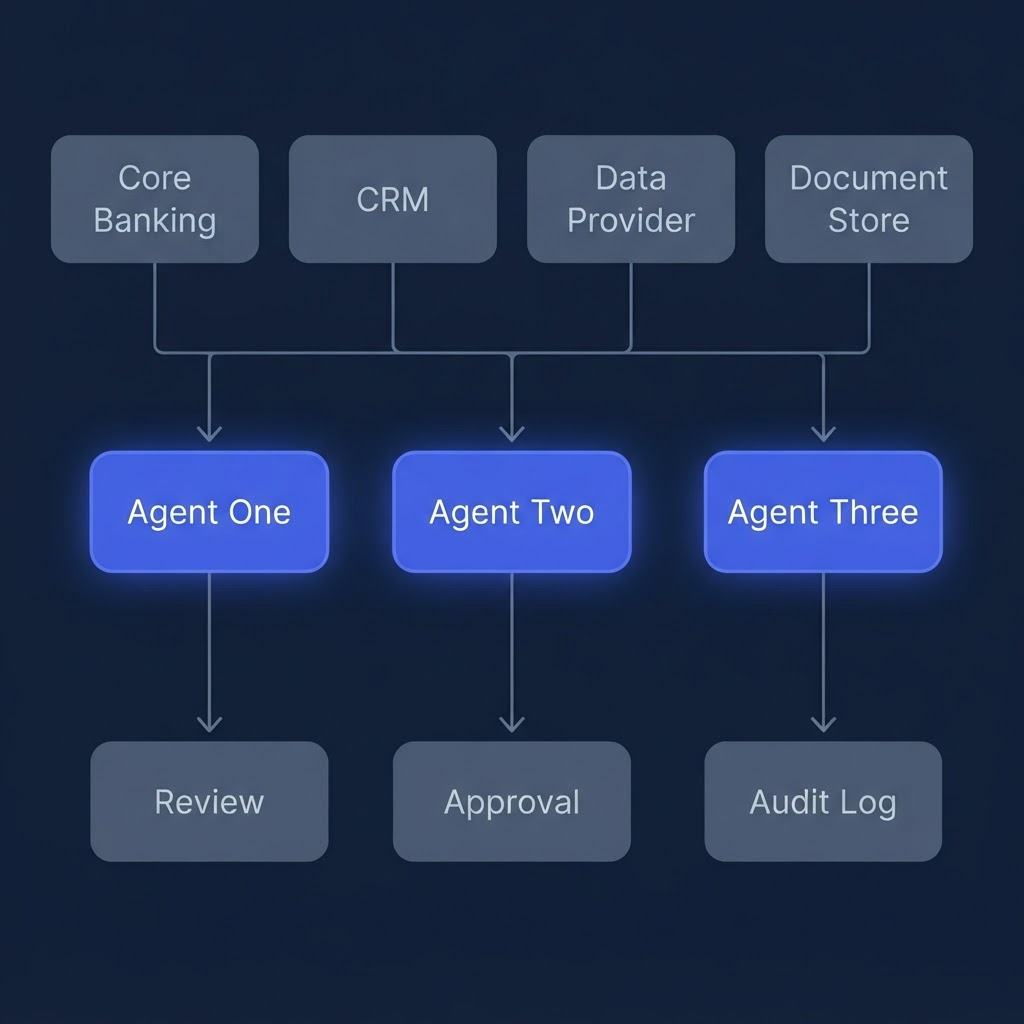
Connects the complete investment context
Bring together teasers, CIMs, data-room documents, management presentations, financial statements, models, customer data, contracts, market research, diligence reports, board packs, operating metrics, and portfolio-company reporting.
Orchestrates specialized investment agents
Deploy coordinated agents for deal screening, financial analysis, commercial diligence, legal review, operational diligence, thesis validation, IC preparation, portfolio monitoring, and value-creation planning.
Keeps every conclusion tied to evidence
Material findings remain connected to their source documents, underlying data, assumptions, contradictions, and confidence. Investment professionals can inspect the evidence before incorporating conclusions into the deal process or portfolio plan.
Built for confidential investment environments
Deal information, financial models, management data, contracts, portfolio performance, and material non-public information require rigorous security, access control, and information segregation. Automatan brings enterprise governance, traceability, and auditability to every agentic investment workflow.
Turn analytical leverage into investment advantage.
Automatan expands the amount of investment work a firm can perform without increasing professional headcount at the same rate—helping teams evaluate opportunities faster, develop stronger conviction, and act earlier across the portfolio.
Evaluate more opportunities without diluting attention
Rapidly structure incoming deal information, assess mandate fit, identify critical risks, and determine where deeper diligence is justified. Investment teams can focus their time on the opportunities where relationships, judgment, and negotiation can create the greatest advantage.
Pressure-test the thesis across every workstream
Connect financial performance, market dynamics, customer behavior, contractual exposure, operational capacity, and management assumptions into one evidence-backed investment view. Give the investment committee greater visibility into what is proven, what is assumed, what is contradicted, and what remains unanswered.
Identify portfolio risks and EBITDA opportunities earlier
Continuously compare operating performance with budgets, forecasts, underwriting assumptions, and value-creation initiatives. Help operating partners prioritize the interventions most likely to affect growth, margin, working capital, execution, and enterprise value.
What investment and operating partners will ask
These are the questions that arise when a private equity firm moves from information management to AI-native investment operations.
How does this improve investment outcomes?
Will AI replace investment professionals?
How is this different from a virtual data room or BI platform?
Can AI understand a complex investment situation?
How can we trust the analysis?
Will this change our investment process?
Build the operating system behind your investment edge.
We’ll map your screening, diligence, investment committee, portfolio monitoring, and value-creation workflows—then identify where specialized agents can create the greatest impact on speed, conviction, partner leverage, and portfolio performance. Thirty minutes. Your investment process. A practical path to AI-native private equity.
Typically responds within 4 hours