AI Observability Platform

See how every AI agent thinks, acts, and performs.

Automatan captures the complete execution of enterprise AI systems—making models, prompts, retrieval, tool calls, agent trajectories, and business outcomes visible in one operational layer.

End-to-end agent tracing · Root-cause intelligence · Production AI control

Live AI agent execution trace showing prompts, retrieval, model calls, tools, decisions, and outcomes
1M+AI agent interactions monitored
100K+Agent traces analyzed
95%+AI workflow evaluation coverage
<5sIssue detection and monitoring latency
Why AI Observability

You cannot govern what you cannot see.

As AI moves from experimentation into business-critical operations, runtime visibility becomes the foundation for reliability, governance, and continuous improvement.

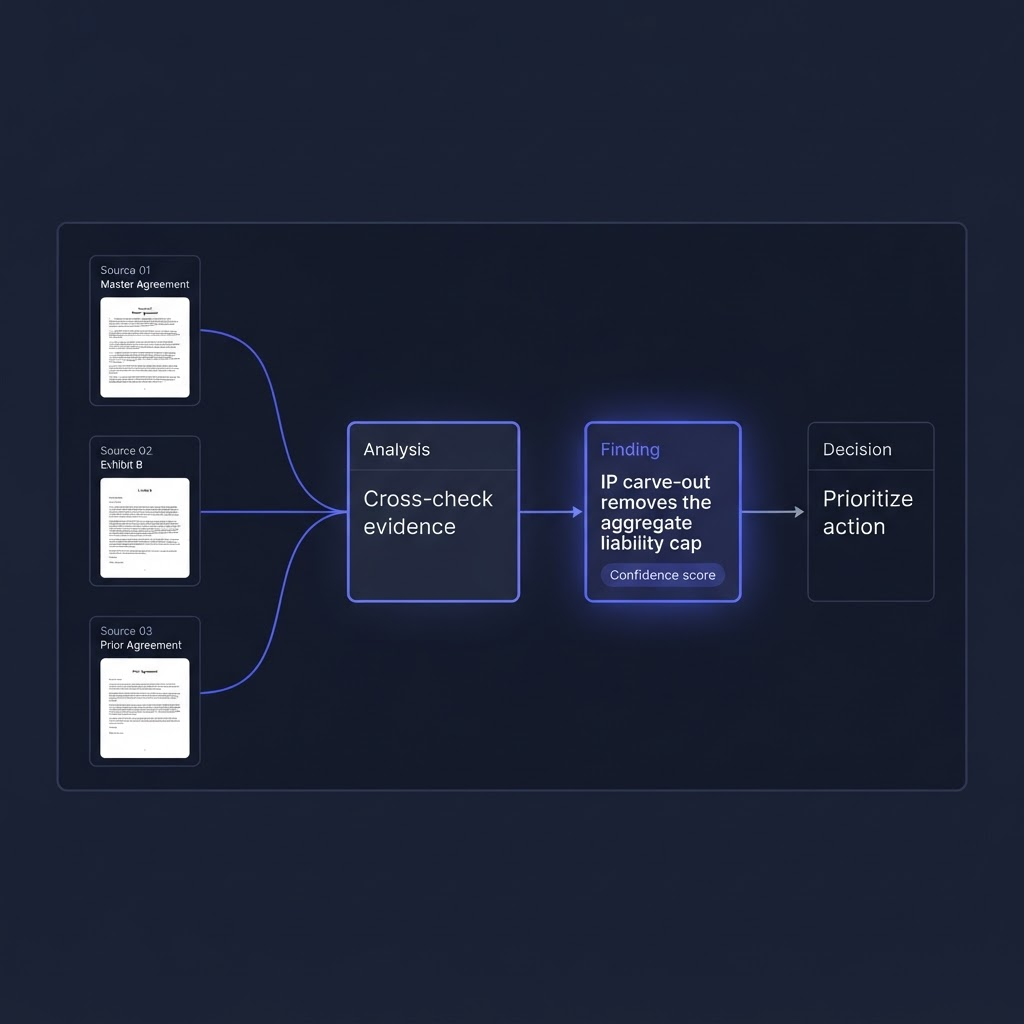
AI execution telemetry connected across models, prompts, retrieval, tools, workflows, and outcomes
01

What AI Observability is

An AI-native operations layer that continuously captures and connects agent traces, model calls, prompts, retrieved context, tool interactions, workflow states, and outcomes.

02

Where traditional monitoring stops

Application monitoring exposes uptime, latency, errors, and infrastructure health. It cannot explain why an agent selected a source, invoked a tool, followed a decision path, or produced an incorrect outcome.

03

How Automatan creates visibility

Automatan reconstructs complete agent trajectories, correlates behavior across components, identifies failure origins, and turns runtime telemetry into actionable system intelligence.

How Automatan works

Five stages. One observable execution path.

Each stage transforms fragmented AI telemetry into operational understanding, diagnostic precision, and system control.

01 · Capture Execution

Trace every agent interaction.

Capture user inputs, prompts, model calls, retrieved context, tool usage, memory access, intermediate decisions, workflow states, and final outputs.

TRACE ID — AGT-28491
AGENT — DUE_DILIGENCE_ANALYST
STATUS — COMPLETE
02 · Reconstruct Behavior

Reveal the complete trajectory.

Connect spans and events into a chronological view of how the agent interpreted the objective, selected knowledge, invoked tools, and progressed through the workflow.

PROMPT → RETRIEVAL → REASONING → TOOL → DECISION
STEPS — 14
BRANCHES — 3
04 · Diagnose Failures

Isolate the source of degradation.

Determine whether a failure originated in the model, prompt, context, retrieval pipeline, tool invocation, agent logic, or multi-agent workflow.

FAILURE — INCOMPLETE OUTPUT
ORIGIN — RETRIEVAL SPAN 04
CAUSE — MISSING CONTEXT
05 · Optimize Operations

Improve the system behind the outcome.

Use trace intelligence to refine prompts, change retrieval strategies, compare models, correct tool selection, reduce latency, control cost, and redesign workflows.

ACTION — EXPAND RETRIEVAL SCOPE
EXPECTED IMPACT — HIGH
VALIDATION — REQUIRED
Platform capabilities

Visibility built for autonomous AI systems.

Six capabilities create one operational intelligence layer across the complete enterprise AI stack.

Agent Trace Explorer

Inspect complete agent trajectories, intermediate decisions, model calls, tool interactions, workflow branches, and final outcomes.

A
B
C
! Risk

Retrieval Observability

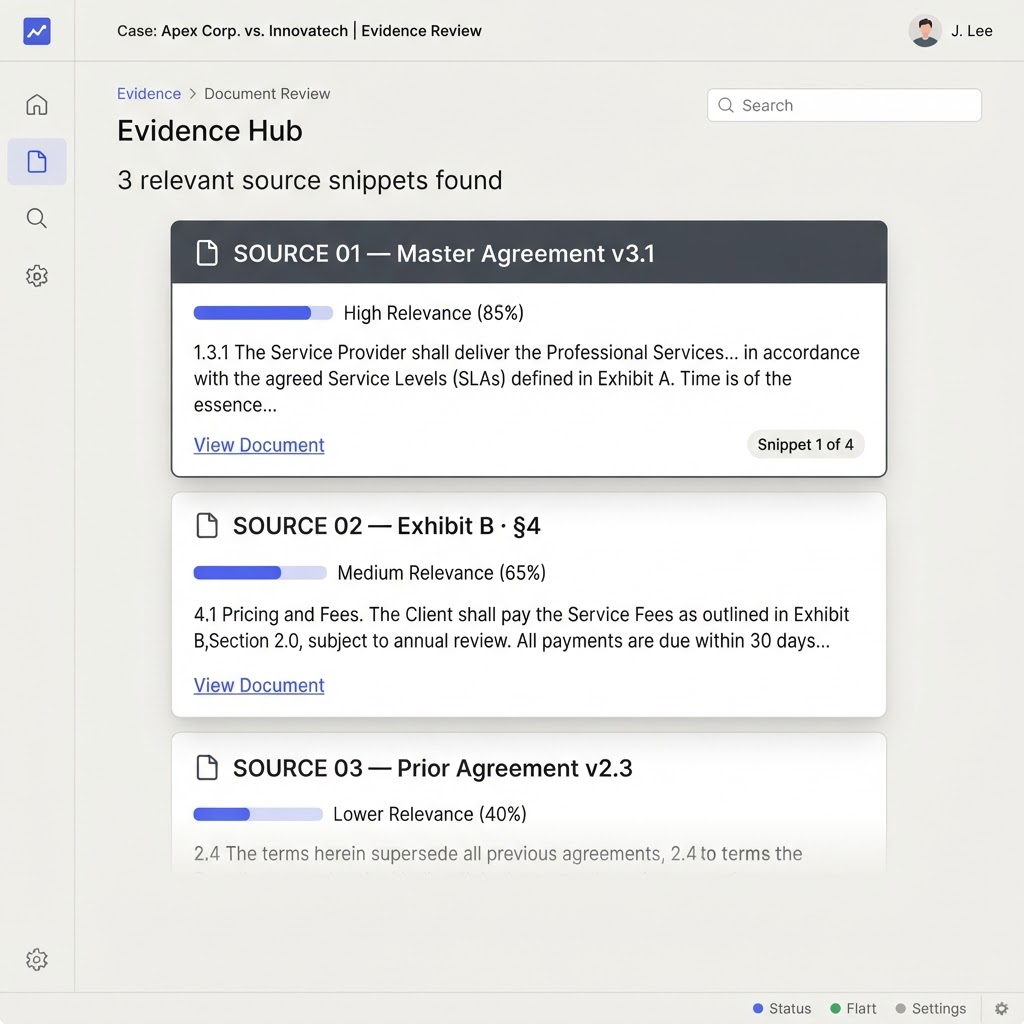
See what information was retrieved, how it was ranked, which sources influenced the response, and where knowledge gaps occurred.

IP indemnityHigh
TerminationMedium
InsuranceLow

Model and Prompt Observability

Compare model behavior, prompt versions, response patterns, token consumption, latency, and cost across environments.

Renegotiate cap
Add insurance layer
Define cure period

Tool-Call Intelligence

Track tool selection, input parameters, execution status, returned results, retries, and downstream impact.

Workflow Observability

Monitor task progression, multi-agent coordination, handoffs, loops, completion states, and failure points.

◎Method-driven reasoning
▤Evidence-backed conclusions
↗Calibrated confidence

Governance Visibility

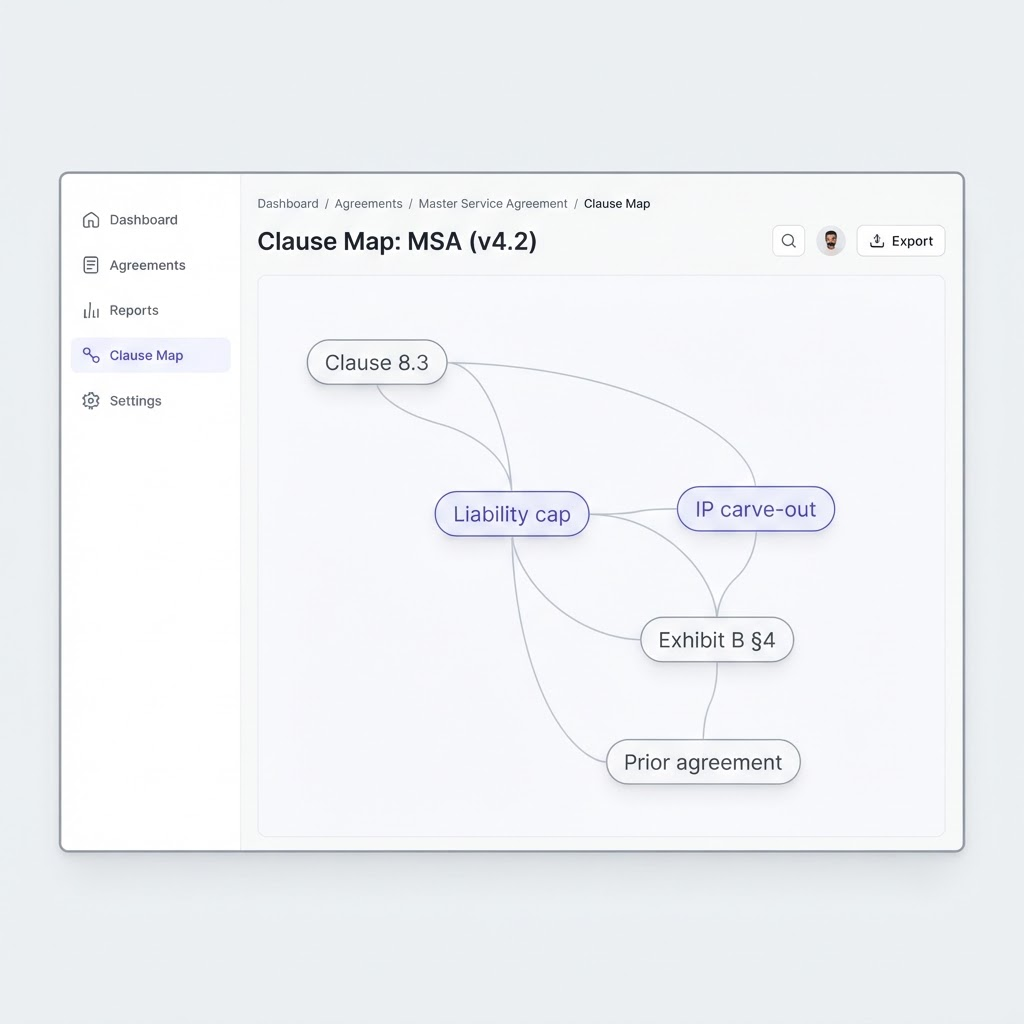
Trace approvals, policy checks, human interventions, restricted actions, and operational boundaries across every agent execution.

Clause 8.2
Clause 8.3
Downstream Risk
Operational intelligence

Every outcome carries its execution history.

Automatan keeps prompts, context, retrieval, reasoning steps, tools, decisions, and outcomes connected so teams can understand not only what happened, but where and why it happened.

AI execution trace connecting runtime signals to root-cause analysis and operational control

Trace Correlation

Connect model calls, retrieval events, tool interactions, and workflow states within one complete execution path.

Root-Cause Isolation

Trace incorrect or incomplete outcomes back to the specific component, span, decision, or dependency that caused them.

Latency and Cost Attribution

Identify which models, prompts, retrieval steps, tools, and workflow branches contribute most to runtime and cost.

Failure and Drift Detection

Surface recurring errors, behavioral changes, retrieval degradation, tool instability, and emerging production failure patterns.

Decision Provenance

Preserve the prompts, evidence, actions, approvals, and system conditions that influenced each agent outcome.

Example agent trace

Not an error log. A behavioral explanation.

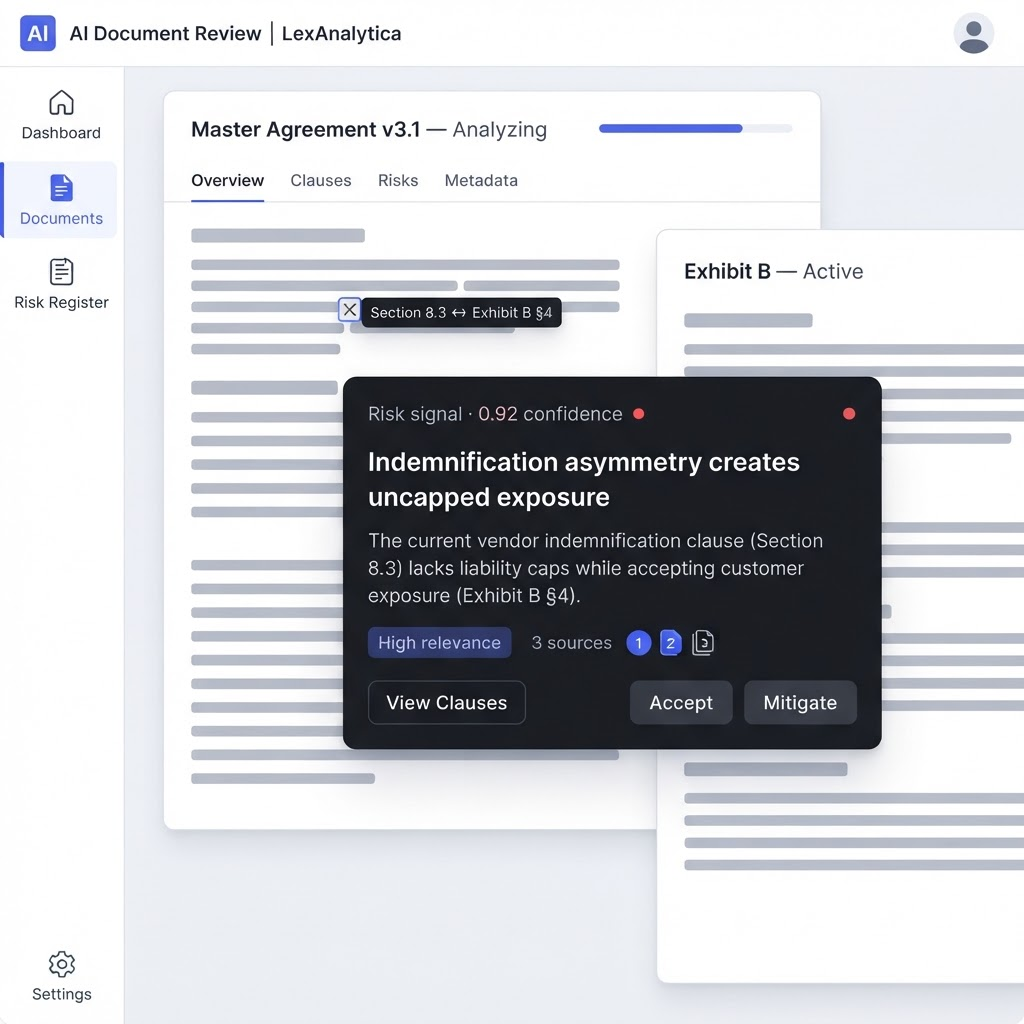
Every execution becomes an inspectable operational object connecting the observed outcome to its underlying cause.

● Production Signal · Customer Resolution Agent

Customer refund request incorrectly escalated for manual review.

Execution path

The agent retrieved the correct refund policy, selected the order-verification tool, and received a valid eligibility result.

Failure point

The workflow applied an outdated escalation instruction stored in agent memory after the tool call completed.

Root cause

Memory precedence overrode the current policy retrieved during the active session.

Recommended action

Update context precedence rules, invalidate the outdated memory entry, and evaluate affected production traces for the same failure pattern.

Agent execution trace and evidence supporting a root-cause diagnosis
Where Automatan is used

Built for production AI operations.

Products and AI Agents
  • Autonomous enterprise agents
  • RAG applications
  • Multi-agent systems
  • AI copilots
AI Operations
  • Production debugging
  • Agent performance optimization
  • Cost and latency control
  • Failure-pattern analysis
Teams
  • AI and ML Engineering
  • Platform Engineering
  • Risk and Governance
  • Product and Operations
Industries
  • Financial Services
  • Healthcare and Life Sciences
  • Technology and SaaS
  • Ecommerce and Customer Operations
Featured AI transformations

Start with an execution trace. End with operational control.

See all AITs →
Input → AI Transformation
Agent TracesRoot-Cause Analysis
Explore →
Input → AI Transformation
Retrieval SpansKnowledge-Gap Map
Explore →
Input → AI Transformation
Model CallsPerformance Comparison
Explore →
Input → AI Transformation
Tool ExecutionsFailure Pattern Report
Explore →
Input → AI Transformation
Multi-Agent WorkflowTrajectory Analysis
Explore →
Input → AI Transformation
Production SessionsOperational Risk Signals
Explore →
Trust and enterprise readiness

Enterprise-grade from the telemetry layer up.

Security

TLS 1.3, AES-256, RBAC, SSO/SAML.

Reliability

Multi-region architecture and SLA-backed uptime.

Data Handling

Zero-retention default and no training on customer data.

Deployment

SaaS, VPC, on-prem, APIs, and enterprise SDKs.

Frequently asked questions

Common questions

Why do AI systems require different observability?
Traditional software follows deterministic logic. AI agents operate through dynamic combinations of prompts, models, retrieval, memory, tools, and probabilistic decisions. AI Observability captures these complete execution paths so teams can understand agent behavior—not only application health.
Isn’t application logging enough?
Logs record individual events. AI Observability connects those events into traces, spans, sessions, and agent trajectories. This reveals how context, retrieval, models, tools, and workflow decisions combined to produce an outcome.
Does AI Observability replace Eval Agents?
No. Observability reveals what an AI system did, how it behaved, and where a failure occurred. Eval Agents measure that behavior against defined quality criteria such as correctness, completeness, groundedness, safety, and task success. Together, they create a continuous AI reliability system.
Can Automatan work across our existing AI stack?
Yes. Automatan’s observability architecture is designed to operate across models, agent frameworks, retrieval systems, tools, workflows, and enterprise environments.

Make every agent action visible.

Operate enterprise AI with the trace intelligence required to understand behavior, diagnose failures, govern decisions, and continuously optimize performance.

Typically respond within four hours