Context Engineering Platform

The future of AI belongs to organizations that engineer context.

Automatan engineers the knowledge, memory, instructions, constraints, state, and tool environments that transform general-purpose AI models into reliable, domain-specific enterprise agents.

Dynamic context assembly · Persistent agent memory · Governed execution

Enterprise knowledge, memory, business rules, workflow state, and tool permissions converging into a specialized AI agent
1M+Enterprise knowledge sources connected
10K+Context environments engineered
95%+Context retrieval relevance
<5sDynamic context assembly time
Why Context Engineering

The model is no longer the complete AI system.

Foundation models understand the world. They do not automatically understand your organization, customers, terminology, policies, workflows, decision criteria, or operational boundaries.

Enterprise knowledge, memory, rules, workflow state, and tools flowing through a context engineering layer into a specialized AI agent
01

Models are powerful but general.

A foundation model can reason broadly. It cannot infer which internal policy applies, which source is authoritative, or how your organization makes a specific decision.

02

Prompts provide instructions—not an operating environment.

Prompts cannot reliably maintain organizational memory, resolve changing knowledge, preserve workflow state, or govern tools across persistent agent workflows.

03

Context transforms models into enterprise agents.

Context Engineering continuously assembles the knowledge, memory, rules, state, and permissions required for domain-specific reasoning and execution.

The context architecture

Five layers. One complete agent environment.

Each layer gives the agent a different form of organizational understanding—assembled dynamically around the task it needs to perform.

01 · Knowledge Context

Ground the agent in enterprise truth.

Connect documents, databases, applications, knowledge bases, conversations, and approved external sources through semantic retrieval and structured knowledge relationships.

Authoritative sources — 12
Relevant knowledge objects — 47
Source conflicts — 1
02 · Memory Architecture

Preserve what the agent must remember.

Maintain short-term reasoning context, interaction history, workflow memory, user preferences, organizational knowledge, and long-running agent state.

Session memory — Active
Workflow memory — 14 events
Persistent memory — Retrieved
04 · Reasoning Context

Define how the decision must be evaluated.

Set the objective, analytical framework, constraints, evidence requirements, risk thresholds, exceptions, and decision boundaries governing the agent’s reasoning.

Objective — Resolve or escalate
Risk threshold — High
Human-review triggers — 3
05 · Tool and Action Context

Control what the agent can do.

Expose the right APIs, applications, workflows, and actions for the task—along with permission boundaries, preconditions, approval requirements, and execution limits.

Available tools — 6
Permitted actions — 4
Human approval — Required
Platform capabilities

Context assembled for the agent, task, and moment.

Six capabilities compound into a reusable foundation for enterprise AI agents.

Dynamic Context Assembly

Construct the right context at runtime based on the user, objective, workflow state, domain, risk, and available evidence.

A
B
C
! Risk

Agentic Retrieval

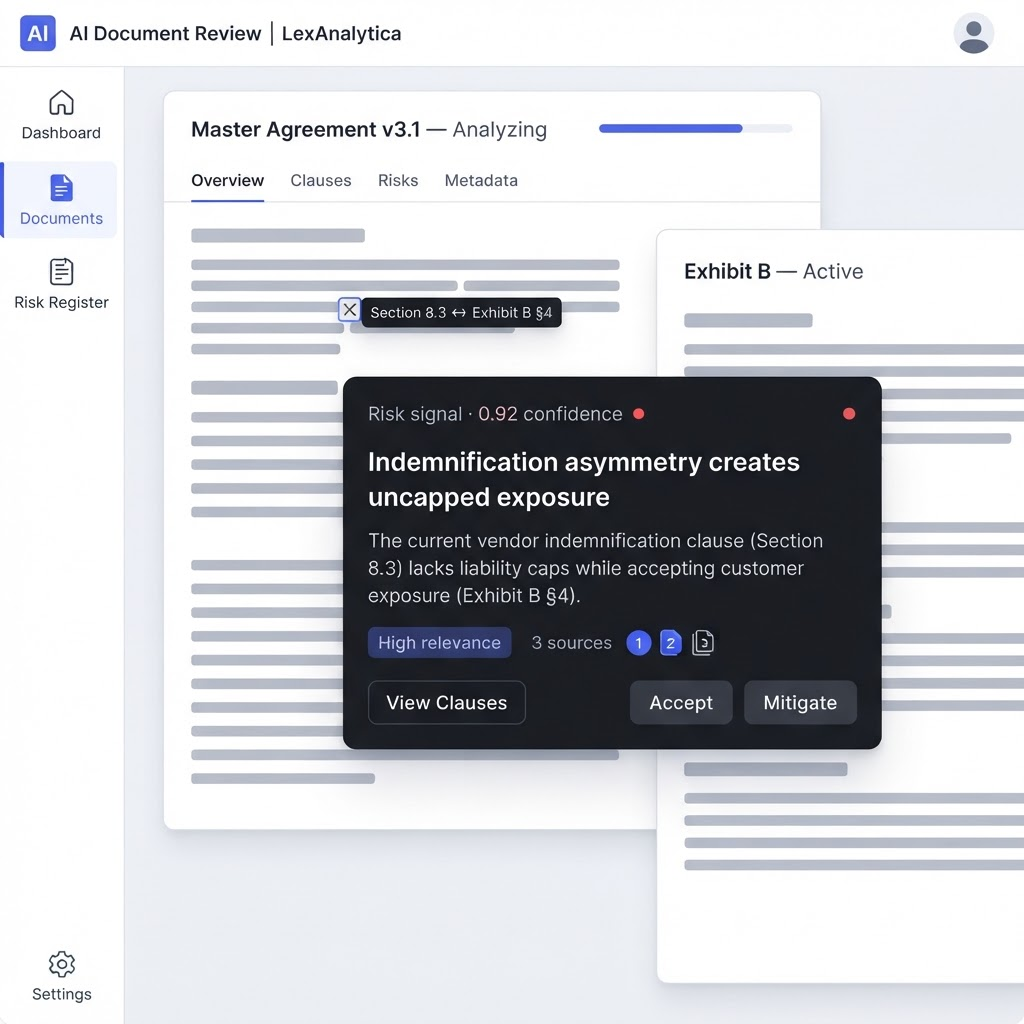
Use Agentic RAG to reformulate queries, pursue relevant sources, validate retrieved information, and close context gaps before reasoning begins.

IP indemnityHigh
TerminationMedium
InsuranceLow

Enterprise Memory

Maintain user, workflow, organizational, and long-term agent memory without forcing every interaction to begin from zero.

Renegotiate cap
Add insurance layer
Define cure period

Semantic Knowledge Layers

Connect entities, concepts, documents, policies, customers, products, and data relationships through domain-aware knowledge structures.

State and Workflow Awareness

Preserve where the agent is in a process, what has already happened, which dependencies remain, and what event should occur next.

◎Method-driven reasoning
▤Evidence-backed conclusions
↗Calibrated confidence

Tool and Permission Grounding

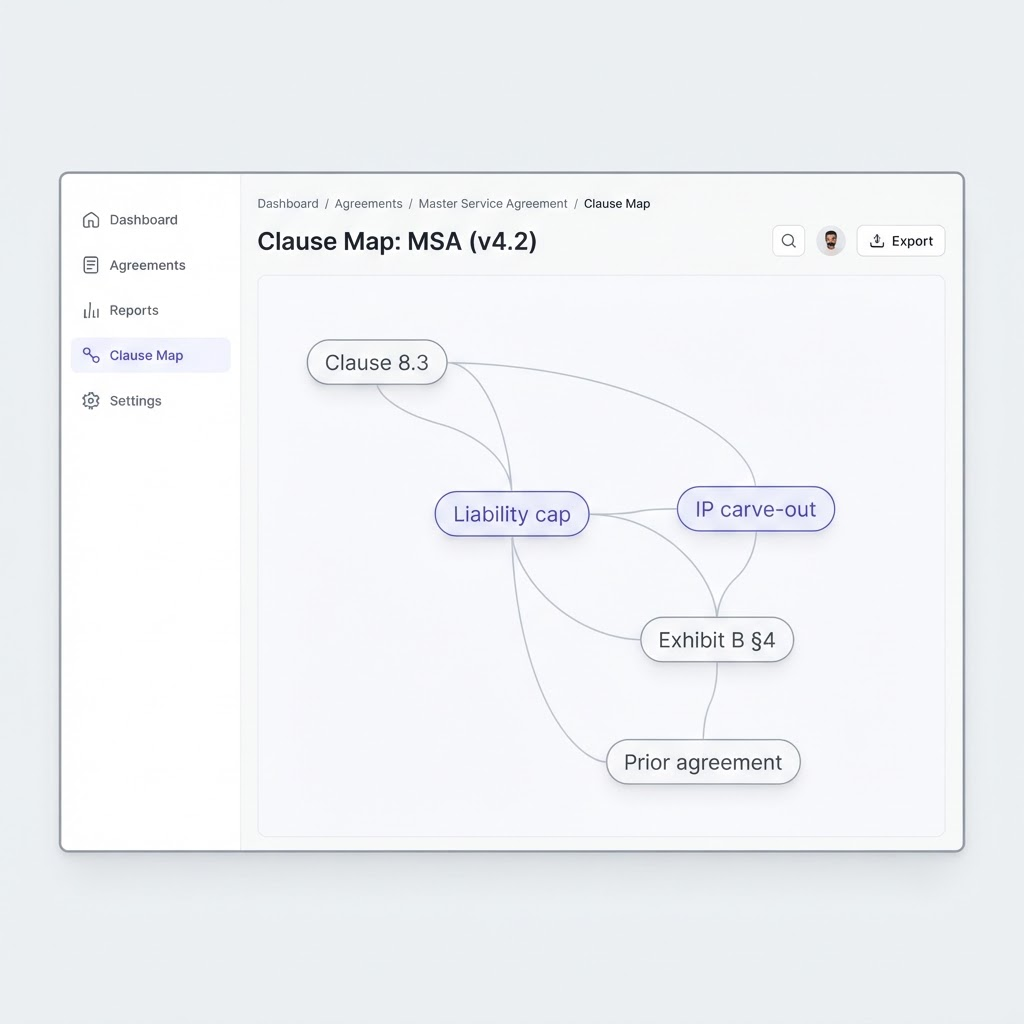
Make agents aware of available tools, access rights, action limits, approval requirements, and the consequences of execution.

Clause 8.2
Clause 8.3
Downstream Risk
Context reliability

Reliable agents begin with governed context.

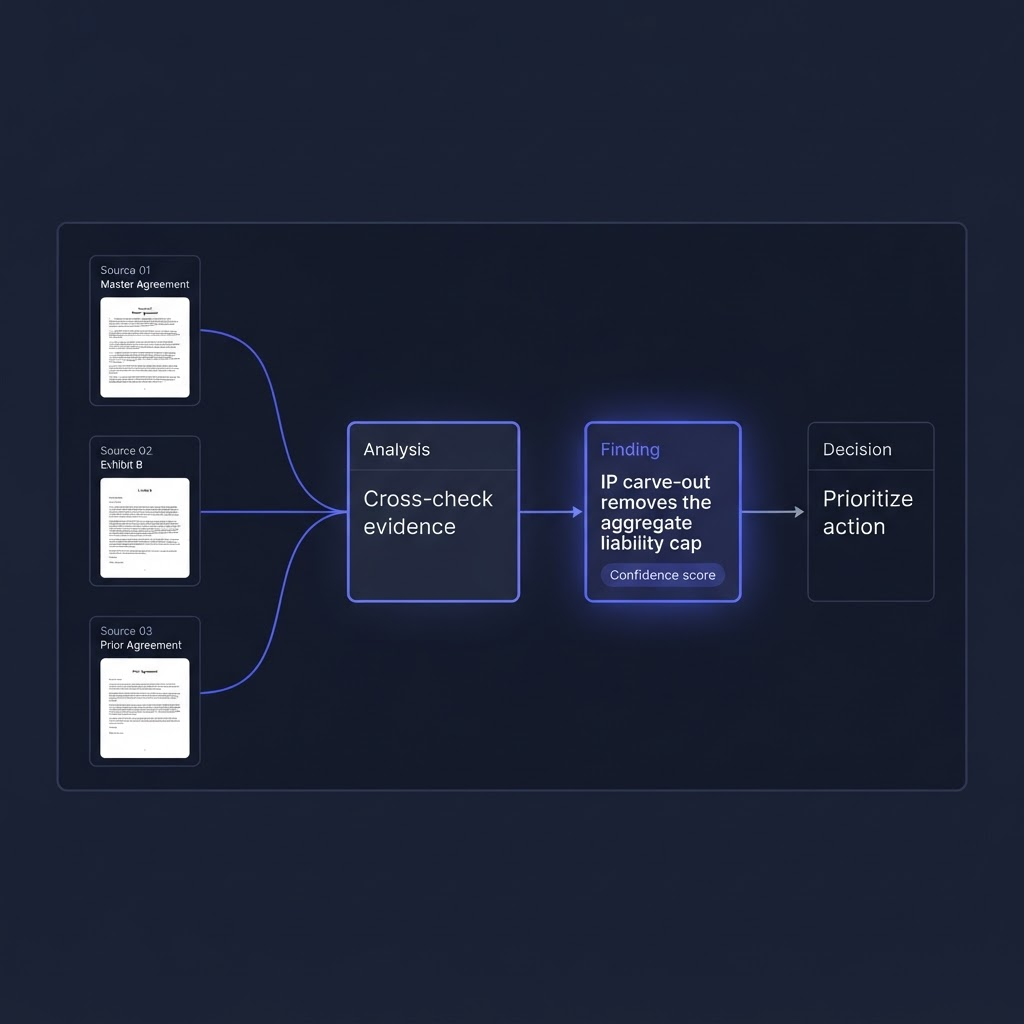
Automatan evaluates the context supplied to every agent—so the system can determine what is relevant, authoritative, current, incomplete, or conflicting before the model reasons.

Enterprise sources flowing through authority and relevance checks into a dynamic context package, agent reasoning, and governed action

Source Authority

Define which systems, documents, policies, and records can ground the agent for each domain and decision.

Relevance Calibration

Retrieve the information required for the current objective without overwhelming the context window with unrelated knowledge.

Freshness and Version Control

Ground agents in the correct policy, document version, customer state, workflow stage, and time-sensitive operational information.

Conflict and Gap Detection

Identify contradictory sources, missing prerequisites, incomplete records, and unresolved context before the agent produces a conclusion.

Context Observability

Record which sources, memories, instructions, rules, and tools were available to the agent for each output or action.

Example context environment

Not a prompt. A complete operating context.

The same request can require a different response depending on the customer, policy, history, risk, and action boundaries surrounding it.

● Dynamic Context · Customer Operations

A routine refund request becomes a retention-risk escalation.

Context assembled

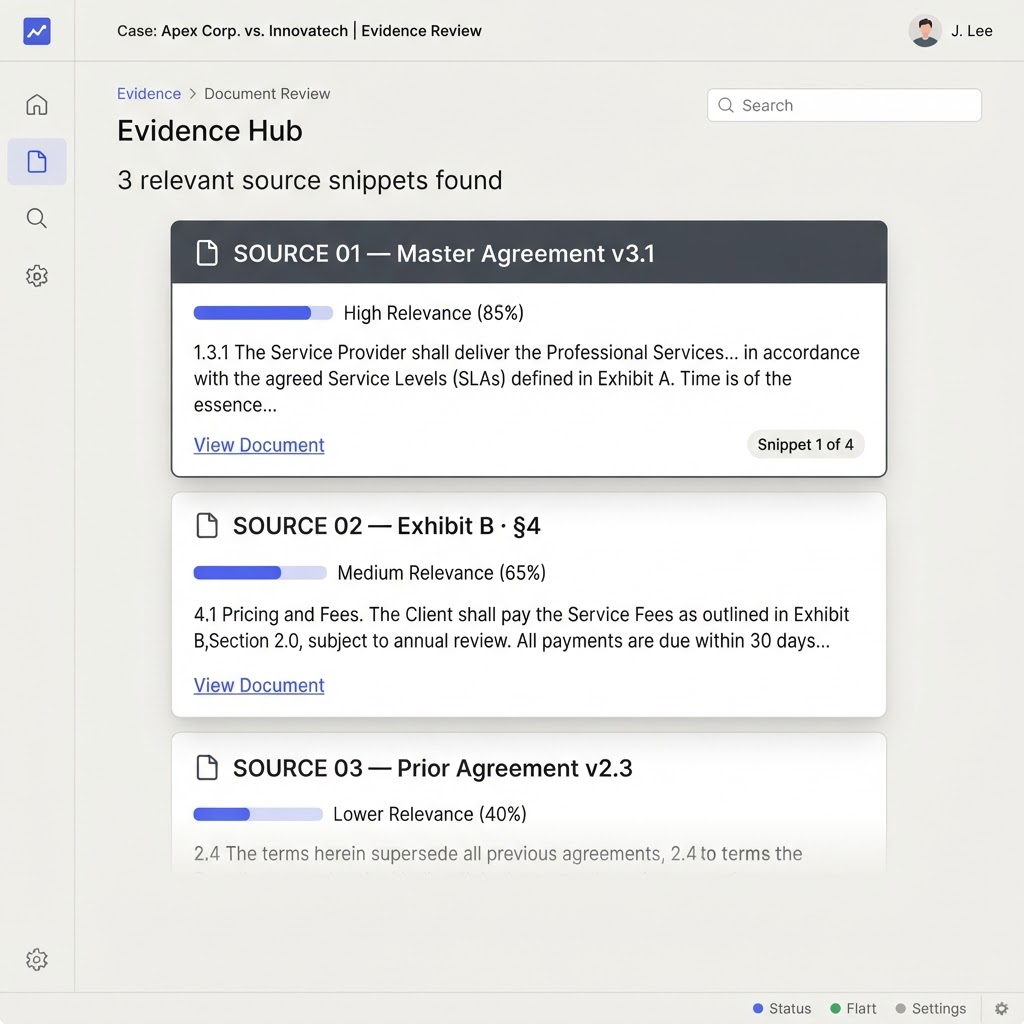
The agent retrieves the customer’s account tier, purchase history, contract terms, previous tickets, unresolved product issue, current refund policy, service-level obligations, and prior negative experience with automated support.

Constraints applied

Refunds above the approved threshold require human authorization. High-value accounts with repeat unresolved issues must be routed to the retention team before a transactional response is issued.

Tools available

Order retrieval, entitlement verification, refund calculation, response drafting, case routing, and manager-approval workflows.

Result

The agent does not issue a generic refund response. It prepares the account context, calculates the applicable entitlement, and routes the case to the appropriate human with the relevant evidence attached.

Customer operations sources assembled into a governed agent context
Where Context Engineering operates

One context foundation. Specialized agents across the enterprise.

Products and AI Agents
  • Context Engineering API
  • Enterprise Agent Memory
  • Agentic RAG Layer
  • Tool-Aware Agents
Enterprise Solutions
  • Reusable Agent Foundations
  • Knowledge Grounding Systems
  • Persistent Agent Workflows
  • Cross-Functional AI Operations
Business Functions
  • Enterprise AI and Architecture
  • Data and Knowledge Management
  • Automation and Operations
  • Security and AI Governance
Industries
  • Financial Services
  • Medical Devices
  • Private Equity
  • Ecommerce and Customer Operations
Featured context transformations

Start with fragmented knowledge. Build an agent-ready environment.

Explore Context Engineering → →
Input → AI Transformation
Policy and procedure libraryGoverned Decision Rules
Explore →
Input → AI Transformation
Documents and enterprise knowledgeSemantic Knowledge Layer
Explore →
Input → AI Transformation
Customer and interaction historyPersistent Customer Context
Explore →
Input → AI Transformation
SOPs and operational workflowsWorkflow State Model
Explore →
Input → AI Transformation
API and application catalogTool and Action Registry
Explore →
Input → AI Transformation
Evaluation criteria and risk policiesAgent Decision Boundaries
Explore →
Trust and enterprise readiness

Enterprise control at every context layer.

Security

TLS 1.3, AES-256 encryption, role-based access controls, and enterprise SSO/SAML.

Reliability

Governed context pipelines designed for repeatable agent behavior across persistent, high-value workflows.

Data Handling

Zero-retention options and no training on customer data. Memory and context remain governed by enterprise policies.

Deployment

Deploy through SaaS, private VPC, on-premise environments, APIs, and enterprise SDKs.

Frequently asked questions

Common questions

What does “Context Engineering” mean?
Context Engineering is the practice of designing and managing the knowledge, memory, instructions, tools, rules, and environmental signals that enable AI systems to reason effectively within a specific business domain. It is the engineering discipline that transforms a general-purpose model into an enterprise agent that understands where it operates.
Isn’t this simply advanced prompt engineering?
No. A prompt provides instructions for one interaction. Context Engineering creates the complete, persistent environment around the agent. That environment includes enterprise knowledge, dynamic retrieval, long-term memory, workflow state, domain rules, decision boundaries, tool permissions, and evaluation requirements.
How is Context Engineering different from RAG?
RAG retrieves information relevant to a query. Context Engineering determines which information matters, which source is authoritative, when it should be retrieved, how it relates to memory and workflow state, and how the agent may use it. Agentic RAG is one component inside the broader context architecture.
How does Context Engineering reduce unreliable AI behavior?
It grounds agents in approved sources, validates context before reasoning, applies domain constraints, identifies conflicting information, preserves state, and limits actions according to permissions and approval rules. It cannot make every model output infallible. It creates the conditions for more relevant, traceable, and governable enterprise AI behavior.
Give every AI agent the context to operate intelligently.

Build the knowledge, memory, constraints, and tool environments your enterprise agents need to operate reliably.

Typically respond within four hours