Define what matters.
Translate the business objective into domain terminology, decision criteria, relevant entities, approved sources, analytical methods, and evidence requirements.
Automatan deploys domain-specific AI agents that investigate information across documents, systems, conversations, and external sources—then produce contextual, evidence-backed findings built for action.
Context engineered · Evidence investigated · Decisions prepared


Predefined dashboards organize structured metrics. Humans must still interpret causes, investigate context, and determine the response.
Search and RAG find relevant passages. Summaries compress information. Neither inherently resolves contradictions, validates assumptions, or evaluates decision implications.
Domain-specific agents gather evidence, test explanations, identify risks, validate findings, and produce decision-ready recommendations.
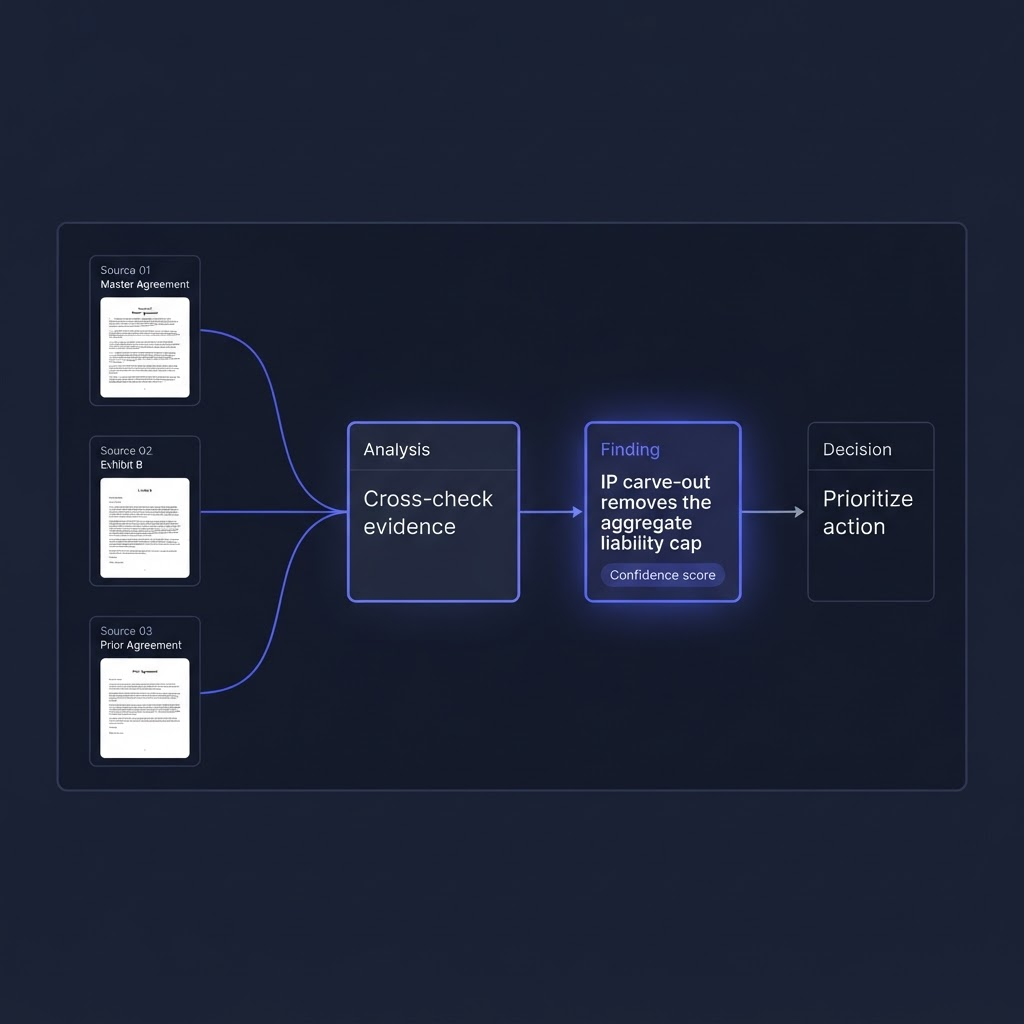
Each stage adds the context, analytical depth, and traceability required to move from an enterprise question to a defensible decision.
Translate the business objective into domain terminology, decision criteria, relevant entities, approved sources, analytical methods, and evidence requirements.
Agentic RAG discovers relevant evidence across databases, knowledge bases, applications, documents, conversations, and purpose-defined external research.
Research, Analysis, Knowledge, Contradiction, and Domain Agents pursue specialized lines of inquiry, compare findings, and build a connected understanding of the problem.
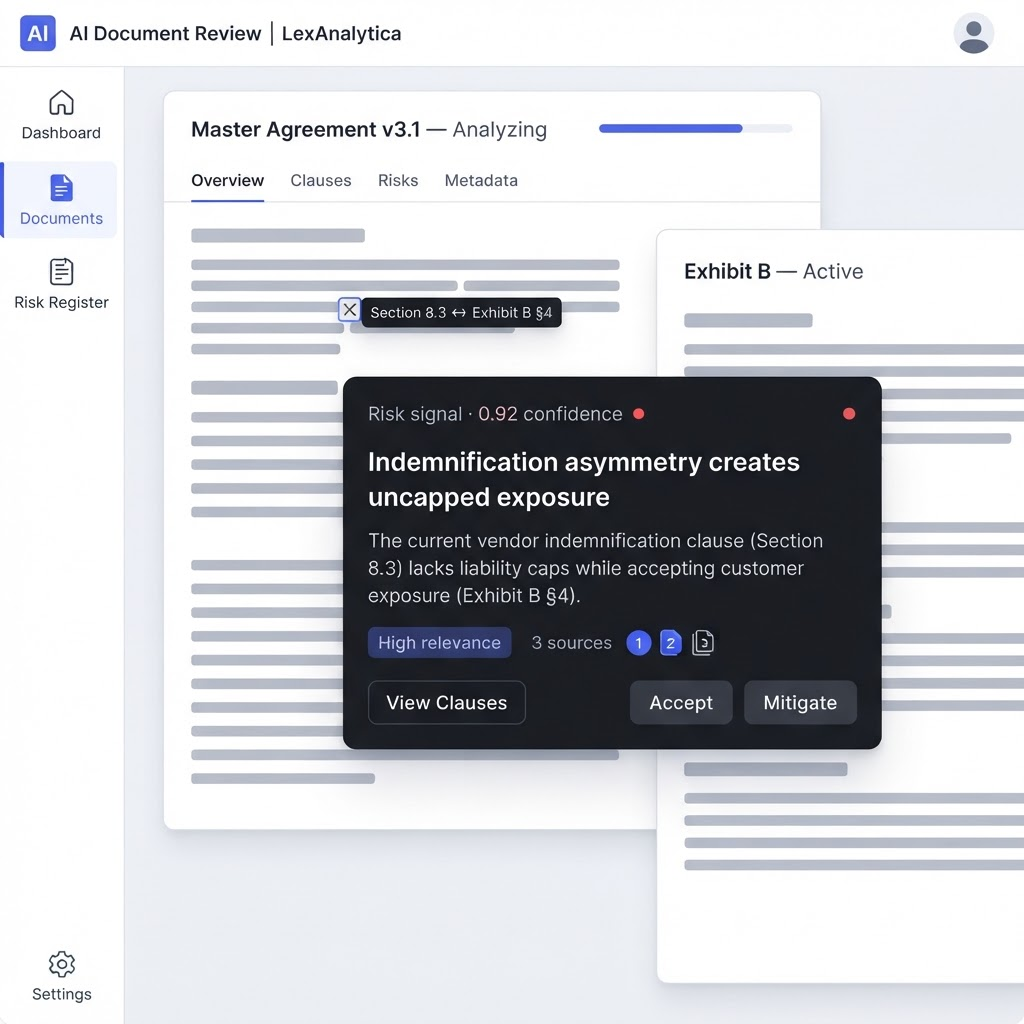
Validation Agents cross-check findings against source evidence, related records, conflicting signals, missing information, assumptions, and defined evaluation criteria.
Decision Agents rank findings by impact, urgency, risk, and confidence—then prepare recommendations, trade-offs, dependencies, and next actions for human approval.
Six capabilities compound into one agentic decision system.
Encode business objectives, terminology, policies, decision criteria, and domain-specific analytical frameworks before investigation begins.
Move beyond passive retrieval with agents that reformulate questions, pursue evidence, inspect multiple sources, and close information gaps.
Coordinate specialized Research, Analysis, Knowledge, Validation, and Decision Agents across one complex business question.
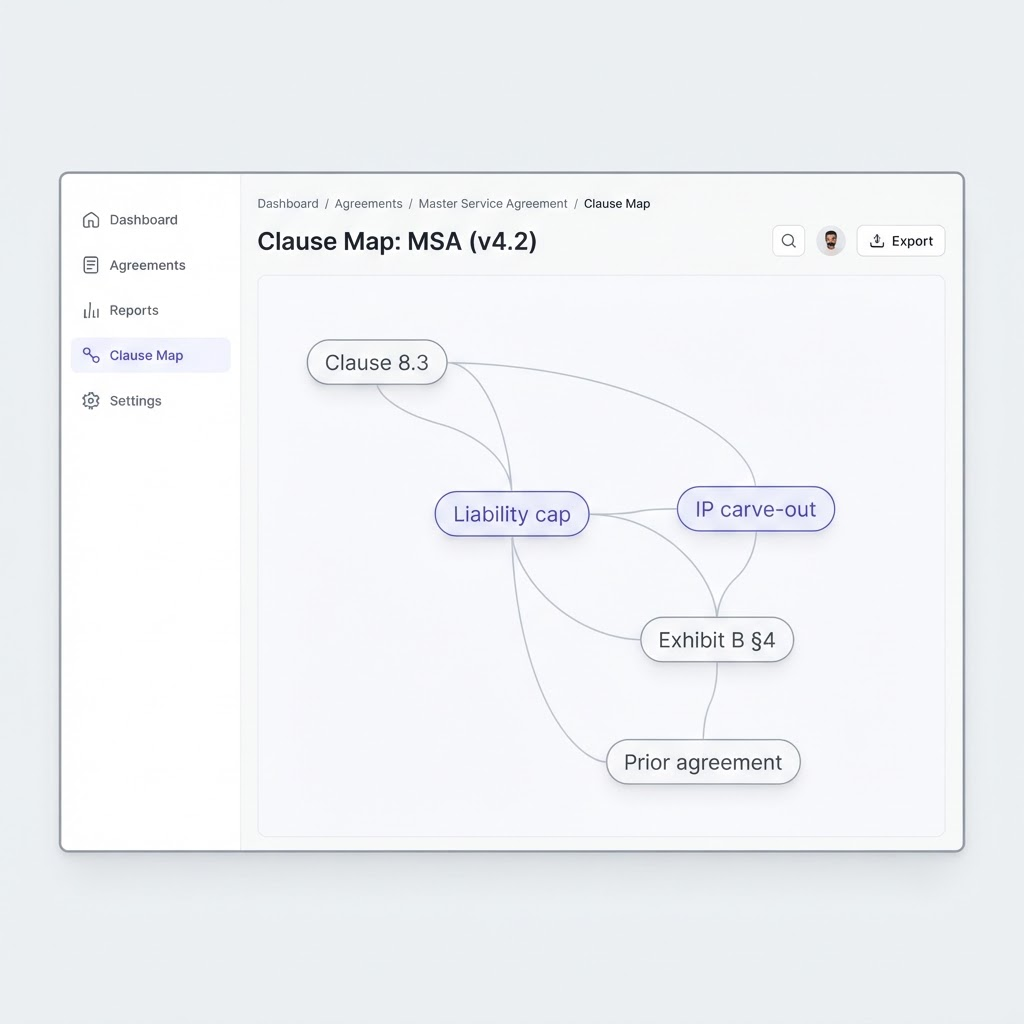
Connect structured data, long-form documents, conversations, operational records, and external evidence into one contextual finding.
Evaluate source quality, contradictory signals, assumptions, uncertainties, and the strength of support behind every conclusion.
Structure findings as usable business objects containing evidence, risk, confidence, dependencies, recommendations, and required actions.
Automatan keeps context, evidence, evaluation, and decision relevance connected—so reviewers can see what the agents concluded, what supports it, and where uncertainty remains.

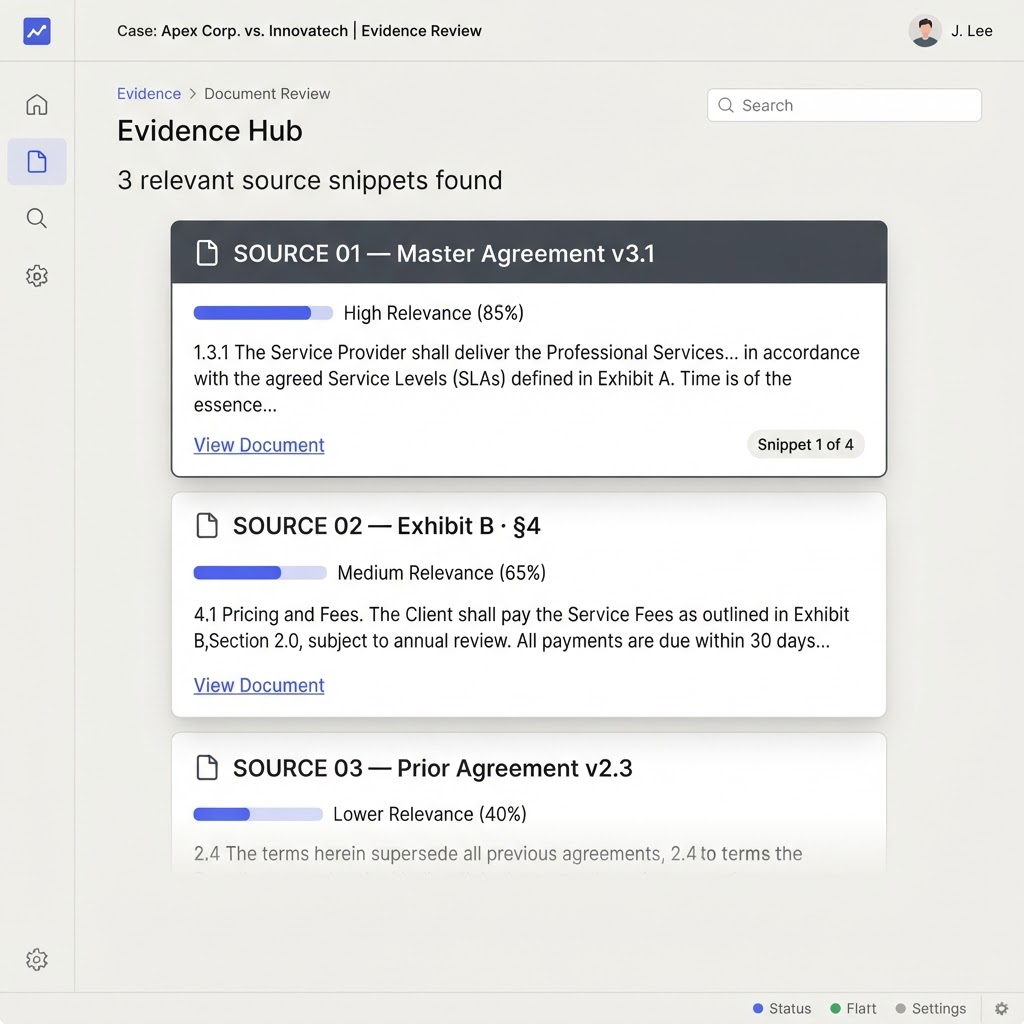
Trace material findings to the records, documents, passages, data points, and external sources that support them.
Show how strongly the available evidence supports a conclusion—and where confidence is limited.
Identify conflicting records, incompatible claims, changing facts, and evidence that weakens the leading explanation.
Surface missing evidence, unresolved questions, implicit assumptions, and dependencies requiring further investigation.
Prioritize findings according to their impact on the specific business decision—not merely their presence in the data.
Finding, evidence, uncertainty, business impact, and action—connected in one review surface.
Support-ticket clusters identify the same failure mode across multiple customer accounts.
Recent supplier inspection records show the component passing standard acceptance tests, indicating that the failure may occur under customer operating conditions not covered by current validation.
High priority · Product quality · Service cost · Renewal exposure
High, with one unresolved validation assumption
Initiate a supplier corrective-action review, expand the validation protocol, prioritize affected customer accounts, and assess exposure across installed units.

TLS 1.3, AES-256 encryption, role-based access controls, and enterprise SSO/SAML.
Production-grade infrastructure designed for resilient, repeatable agentic workflows across critical business operations.
Zero-retention options and no training on customer data. Enterprise information remains governed by your policies.
Deploy through SaaS, private VPC, on-premise environments, APIs, and enterprise SDKs.