Build a Compliance Organization That Is Always Evaluating Its State
Automatan deploys specialized AI agents across regulations, obligations, policies, controls, evidence, and operations—continuously identifying exposure, evaluating control effectiveness, and preparing the evidence behind every compliance decision.
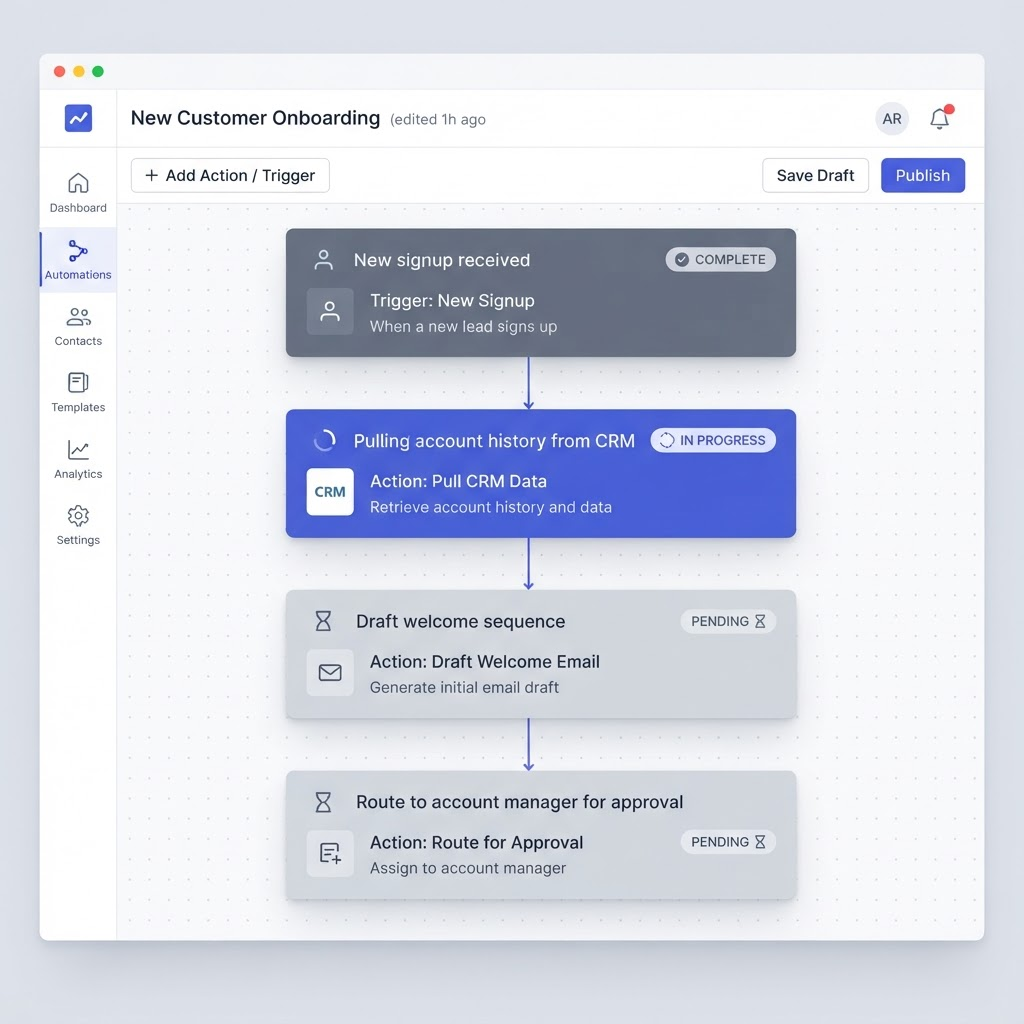
Your Compliance State Changes Faster Than Periodic Reviews Can Measure It
Regulations evolve. Policies age. Controls drift. Evidence becomes stale. Yet most compliance programs still reconstruct their posture through point-in-time reviews—manually connecting requirements, controls, and supporting artifacts after risk has already accumulated.
Regulatory change propagates silently
A revised obligation can affect multiple policies, controls, processes, jurisdictions, and accountable owners. Without continuous impact analysis, exposure remains hidden inside the distance between regulatory text and operational implementation.
Control records do not prove control effectiveness
A control can exist in a GRC platform while its design, execution, evidence, or operating effectiveness has materially degraded. The record remains current. The control environment does not.
Audit readiness is repeatedly reconstructed
Evidence is dispersed across systems, owners, formats, and reporting periods. Teams spend the weeks before an examination locating artifacts, validating sufficiency, resolving contradictions, and rebuilding traceability.
From Periodic Assurance to Continuous Compliance Readiness
Automatan creates a persistent analytical layer across the compliance environment—giving leaders earlier visibility into regulatory impact, control degradation, evidence deficiencies, and the areas requiring human judgment.
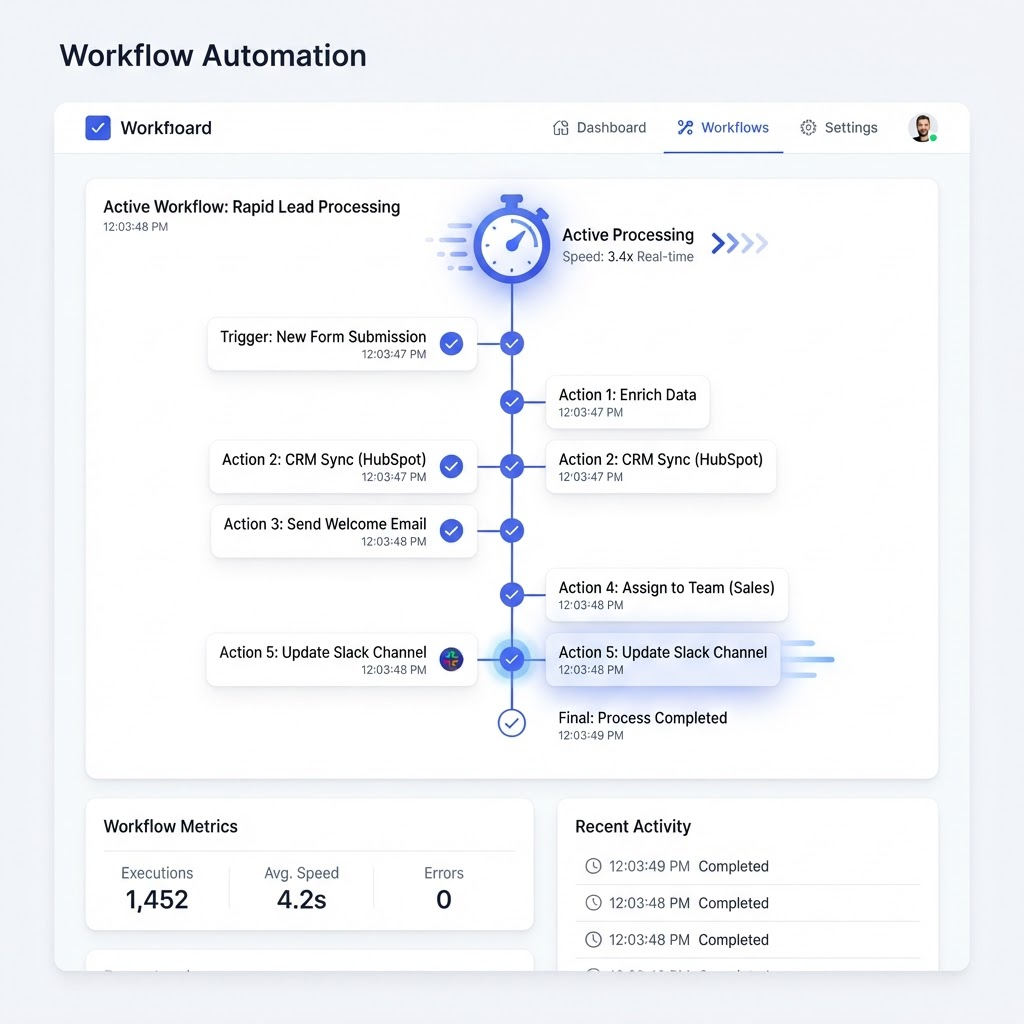
Understand regulatory changes before they become compliance gaps
Regulatory analysis agents interpret new requirements, identify affected obligations, map changes to policies, controls, processes, and owners, and create an actionable impact view without requiring teams to manually review every regulatory update. Outcome: Faster regulatory response. Earlier ownership identification. Reduced time between regulatory change and operational action.
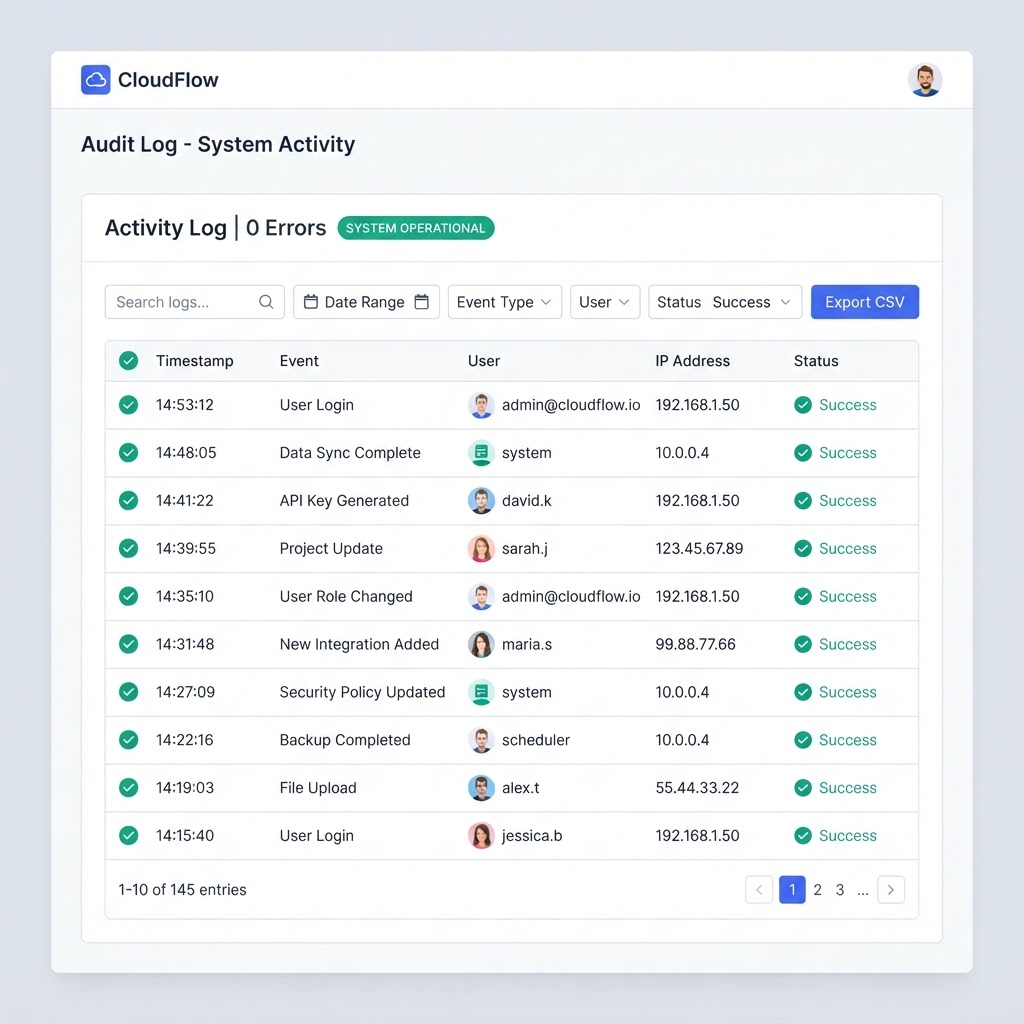
Detect control and evidence gaps before audits expose them
Control assessment and evidence analysis agents continuously evaluate control documentation, execution records, testing results, exceptions, and supporting artifacts—helping teams identify weaknesses that periodic assessments may overlook. Outcome: Earlier risk detection. Stronger control confidence. Reduced unresolved compliance exposure.
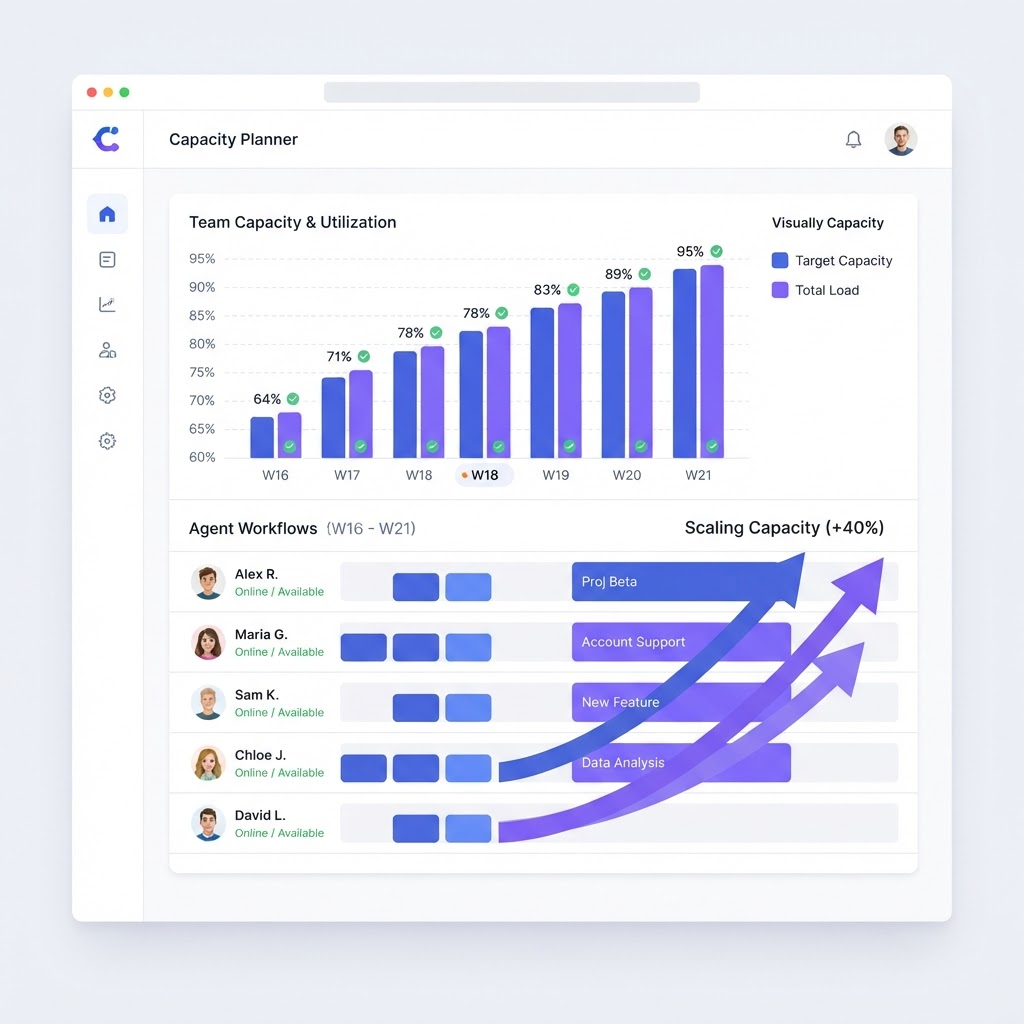
Maintain audit readiness without rebuilding the compliance story
Audit readiness agents connect requirements, controls, owners, tests, and evidence artifacts into a traceable compliance record—reducing the manual effort required to prepare for examinations, certifications, and internal reviews. Outcome: Faster evidence response. Lower audit disruption. Greater confidence during regulatory reviews.
Deploy Autonomous Analysis Across the Compliance Lifecycle
Automatan orchestrates specialized agents across regulatory interpretation, obligation mapping, control evaluation, evidence validation, policy alignment, and remediation.
Convert regulatory change into an executable impact model
Regulatory analysis agents perform continuous horizon scanning and contextual interpretation—distinguishing material changes from noise and tracing each relevant requirement into the operating environment.
See how AI agents would model your requirements, controls, evidence, and compliance exposure.
Book DemoEncode the Obligations. Orchestrate the Agents. Govern the Decisions.
Automatan operates as a reasoning layer across the compliance corpus. It connects regulatory intent to operational implementation while preserving source traceability, human accountability, and explicit decision boundaries.
Model the compliance context
Configure agents around jurisdictions, entities, products, frameworks, risks, obligations, policies, controls, testing standards, materiality thresholds, and governance protocols.
Orchestrate control-to-evidence reasoning
Specialized agents traverse regulatory text, obligations, policies, controls, processes, risks, evidence, exceptions, and remediation as one compliance chain.
Preserve accountable human authority
Agents prepare interpretations, mappings, control assessments, risk hypotheses, and remediation recommendations. Compliance professionals validate applicability, materiality, and conclusions.
From Compliance Systems of Record to Systems of Regulatory Reasoning
GRC platforms organize controls, tasks, owners, attestations, and findings. Automatan adds the analytical layer that interprets requirements, evaluates evidence, detects compliance drift, and explains where the operating environment may no longer satisfy the obligation.
Obligation-level regulatory understanding
Agents extract applicability conditions, thresholds, duties, exceptions, dependencies, dates, and evidentiary requirements—then reason about their impact across the enterprise.
Multi-agent assurance across the compliance chain
Regulatory, policy, control, evidence, audit-readiness, risk, and remediation agents coordinate their work as one governed workflow.
Defensible findings with evidence provenance
Every conclusion can expose the source requirement, affected obligation, control mapping, supporting evidence, exceptions, counterevidence, confidence, uncertainty, and recommended human decision.
AI-Mediated Analysis With Human Regulatory Accountability
Automatan constrains agent behavior through approved sources, explicit analytical boundaries, evidence provenance, review gates, and human authority over every material compliance conclusion.
Humans retain interpretive authority
Agents identify requirements, evaluate evidence, surface risk, and prepare recommendations. Compliance professionals determine applicability, materiality, adequacy, acceptance, escalation, disclosure, and remediation.
Source traceability is built into the finding
Outputs can be traced to regulatory clauses, policy provisions, control definitions, testing records, evidence artifacts, and operational signals.
Analysis operates inside defined boundaries
Teams govern source access, regulatory scope, frameworks, control populations, risk thresholds, escalation logic, approval gates, and permissible agent actions.
Uncertainty remains explicit
Agents distinguish verified fact, regulatory interpretation, analytical inference, control deficiency, risk hypothesis, and unresolved ambiguity.
Before You Deploy an Agentic Compliance Layer
Will Automatan make compliance decisions?
How can AI-generated analysis be trusted in a regulated environment?
How is this different from a GRC platform?
Can agents understand our specific regulatory perimeter?
Can Automatan explain why something is considered a compliance risk?
Can the system detect issues we have not explicitly defined?
Does Automatan replace compliance analysts or internal auditors?
Can agents initiate compliance workflows?
Build an Agentic Compliance Team
Deploy specialized AI agents across regulatory analysis, control assurance, evidence validation, policy alignment, risk discovery, and audit readiness—while compliance professionals retain authority over every material decision.
Bring one framework and we’ll show you how Automatan agents would analyze the compliance chain.