Build a Support Organization That Learns From Every Conversation
Automatan deploys a coordinated system of AI agents across customer support—continuously interpreting conversations, detecting emerging friction, investigating root causes, and converting customer evidence into decisions the business can act on.
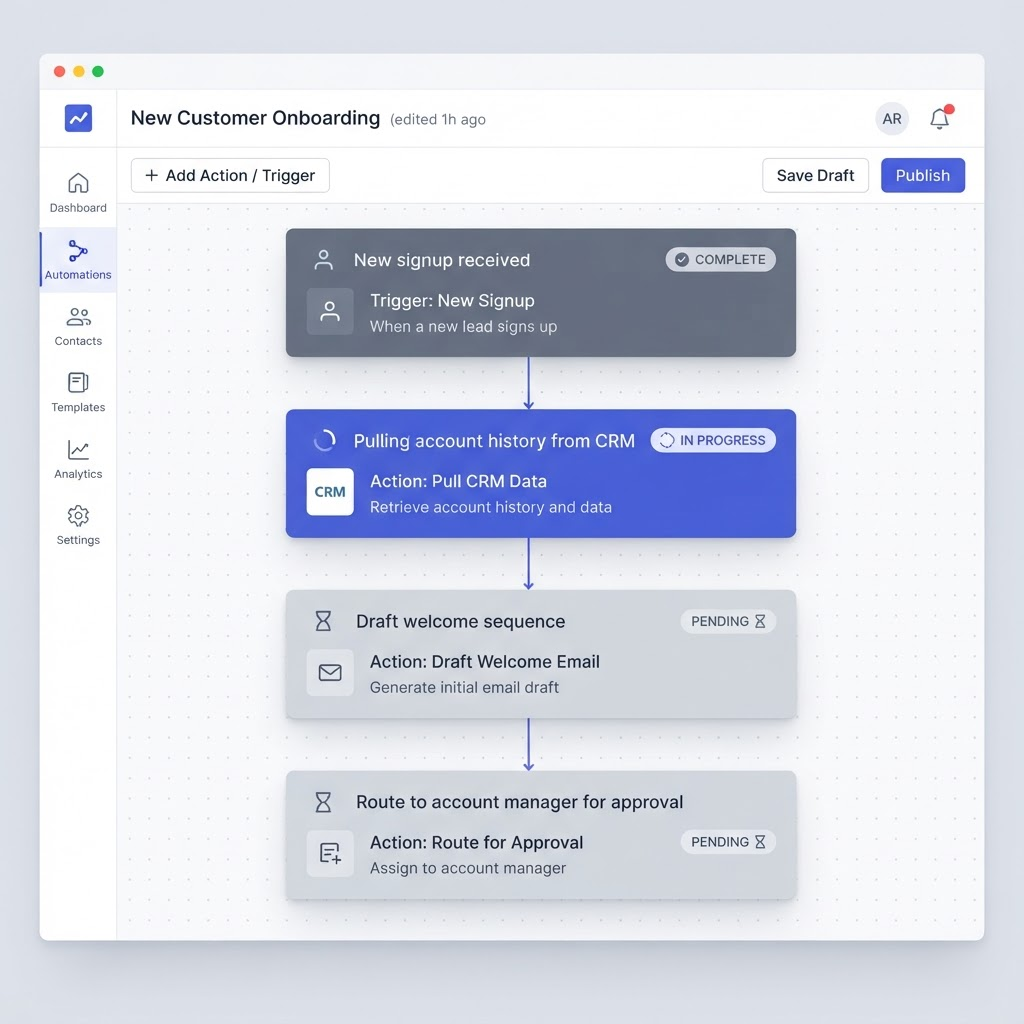
Your Support Stack Captures Every Conversation. It Understands Almost None of Them.
Every interaction contains evidence about product failure, process friction, customer effort, and commercial risk. Yet conventional support systems reduce that evidence to tickets, tags, queues, and lagging dashboards. The conversation is resolved. The operational knowledge disappears.
The signal is fragmented by design
Issues that appear isolated at the ticket level may represent the same underlying failure across products, segments, regions, and channels. Without cross-ticket reasoning, the pattern remains invisible.
Detection arrives after customer impact
Support organizations discover emerging problems through volume spikes, escalations, or executive complaints. By then, the same failure has often propagated across the customer base.
The feedback loop is structurally incomplete
Support experiences the friction. Product receives anecdotes. Operations receives summaries. Leadership receives aggregates. The causal evidence connecting customer experience to operational change is lost between systems and teams.
Convert Conversation Volume Into Operational Foresight
Automatan expands the analytical capacity of the support organization—accelerating resolution, reducing preventable escalations, and improving customer experience through continuously synthesized conversation evidence.
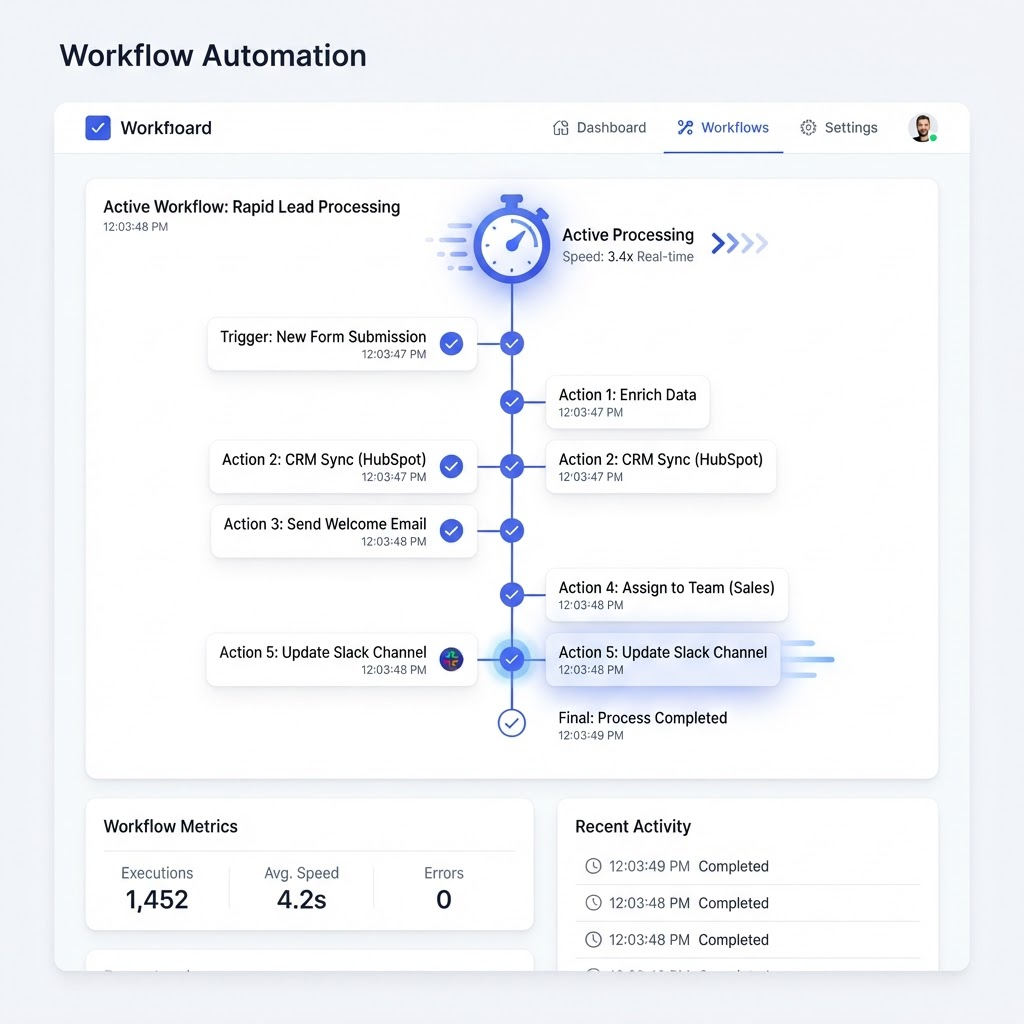
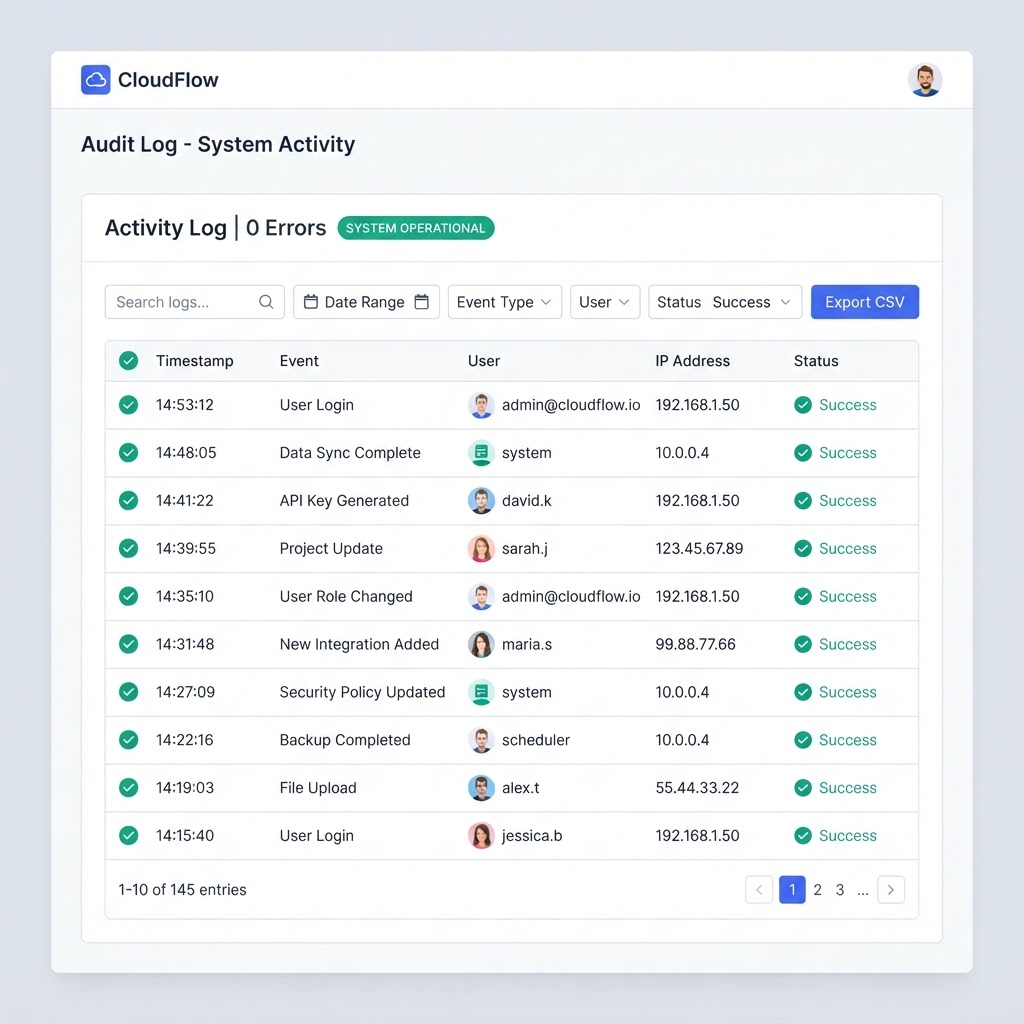
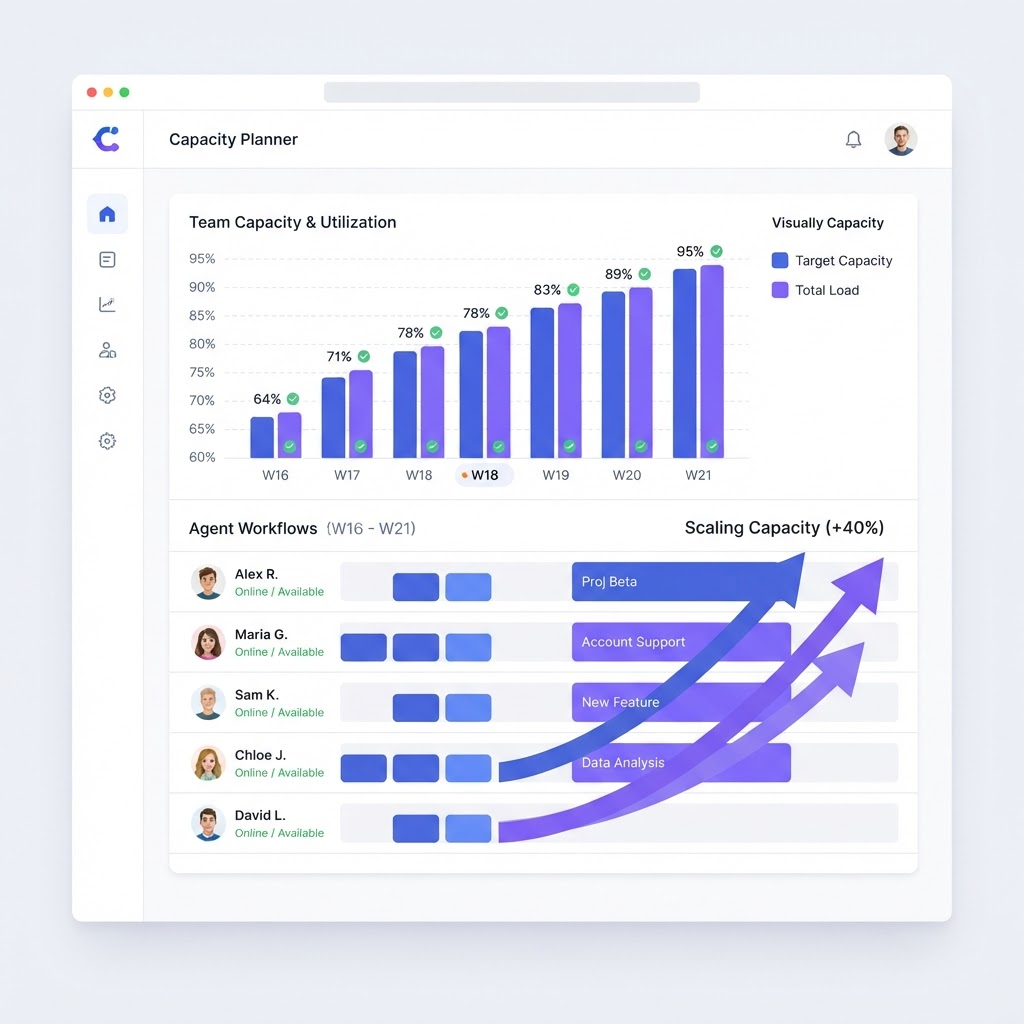
Compress the path from signal to resolution
Context-aware agents reconstruct the complete support episode—conversation history, account context, related incidents, prior resolutions, product signals, and probable causes—so teams investigate with a decision-ready evidence set from the outset.
Intervene before friction becomes account risk
Dynamic escalation detection models identify compounding frustration, repeated failure, unresolved impact, sentiment deterioration, and trust risk—even when the customer never uses an explicit escalation phrase.
Improve the operating system behind the experience
Root-cause, resolution, quality, product-feedback, and knowledge-gap agents expose the systemic conditions producing customer effort—creating a continuous path from conversation evidence to product and operational improvement.
Deploy Autonomous Analysis Across the Support Operation
Automatan orchestrates specialized agents across the analytical lifecycle. Each agent investigates a defined dimension of the customer experience; together, they construct a continuously updated model of issues, risk, quality, and operational opportunity.
Transform unstructured conversations into operational evidence
Conversation analysis agents interpret the complete support episode—not merely its keywords. They resolve intent, context, sentiment trajectory, customer effort, resolution state, and business impact into a structured record that other agents can reason over.
Discover the operational signals already embedded in your support conversations.
Book DemoOrchestrate an Always-On System of Operational Agents
Automatan operates as a reasoning layer across the support environment. Leaders define objectives, agents coordinate the analytical work, and human teams govern the decisions and actions that follow.
Encode the operating context
Configure agents around your products, customer segments, issue taxonomies, service policies, escalation thresholds, quality frameworks, business metrics, and decision boundaries.
Orchestrate reasoning across systems
Agents synthesize conversations, account histories, support records, product signals, incident data, knowledge sources, and workflow state across the support environment.
Govern the path from finding to action
Agents produce evidence, causal hypotheses, risk assessments, and recommended interventions. Approval gates determine what proceeds automatically and what requires review.
From Systems of Record to Systems of Operational Reasoning
Conventional support platforms record the interaction and automate predefined movement around it. Automatan creates a cognitive operating layer that interprets what happened, connects it to the wider system, investigates why it happened, and determines what deserves attention next.
Semantic understanding beyond tickets and tags
Automatan models intent, history, effort, sentiment progression, product context, resolution state, and business consequence—finding relationships fixed taxonomies were never designed to represent.
Coordinated agents, not isolated AI features
Conversation, root-cause, trend, escalation, quality, resolution, knowledge, and product-feedback agents operate as a multi-agent system. Findings from one become evidence for the next.
Operational judgment grounded in observable evidence
Teams can examine supporting conversations, affected populations, temporal patterns, causal rationale, counterevidence, confidence, and unresolved uncertainty behind every finding.
Enterprise Control for AI-Mediated Support Operations
Continuous analysis does not require opaque decision-making. Automatan preserves human authority, evidence provenance, configurable boundaries, and explicit uncertainty across every agentic workflow.
Human authority by design
AI agents perform analysis, pattern discovery, causal investigation, and decision preparation. People retain authority over customer communication, escalation, remediation, coaching, product prioritization, and commercial action.
Evidence provenance for every finding
Each conclusion can be traced to representative conversations, contextual signals, affected cohorts, comparison sets, confidence indicators, and counterevidence.
Policy-constrained agent behavior
Teams define which data sources agents may access, which objectives they may pursue, which thresholds trigger action, and where human approval is mandatory.
Uncertainty is a first-class output
Agents distinguish a supported conclusion from a plausible hypothesis and an unresolved unknown. Incomplete or conflicting evidence remains visible.
Before You Deploy an Agentic Support Layer
Is Automatan designed to replace support teams?
How is this different from ticket tagging, QA sampling, or dashboards?
Can agents understand context beyond a single ticket?
Can the system discover issues we have not defined in advance?
How does Automatan avoid unsupported conclusions?
Can we control what agents prioritize?
Does Automatan require replacing our support platform?
Can agents take action automatically?
Build an Agentic Support Team
Deploy a coordinated system of AI agents that continuously interprets customer interactions, detects risk, investigates causality, and converts support evidence into governed operational action.
Bring one conversation set and see the signals, patterns, and decisions Automatan agents can produce.