Build your next generation agentic staffing firm
Automatan is the AI operating layer for modern staffing firms—giving every recruiter a specialized workforce of agents to understand requirements, research talent, evaluate candidates, uncover matches, and deliver stronger submissions at scale.
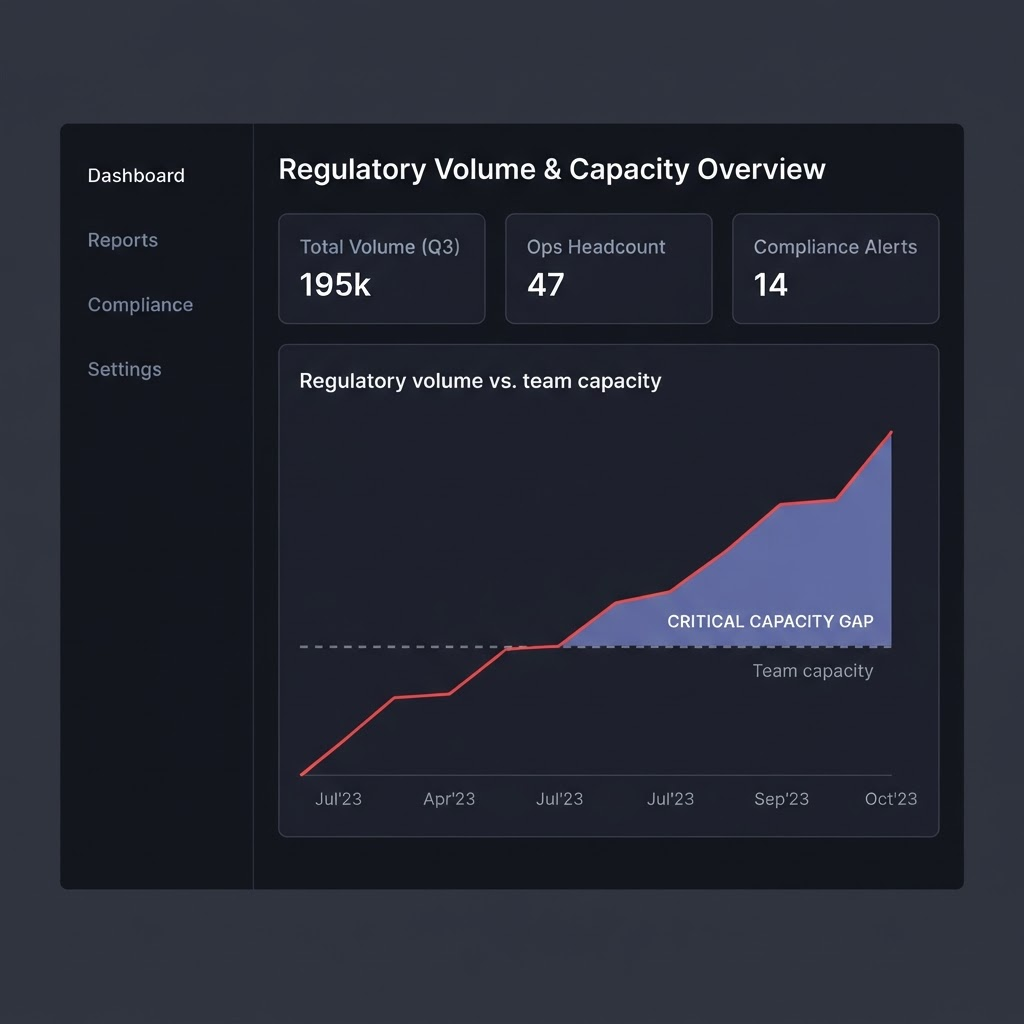
Recruiting has entered its AI-native era.
Traditional staffing models were built around recruiter expertise, resume databases, manual sourcing, and human screening capacity. But candidate volumes, client expectations, skill requirements, and staffing economics have changed. AI is moving beyond simple assistance. Agents can now perform meaningful work across the recruiting lifecycle—creating a fundamentally more scalable model for staffing.
More candidates do not mean better placements.
Staffing firms have thousands of applicants, sourced profiles, referrals, and historical candidates. The advantage now comes from identifying true fit inside that volume.
The delivery window keeps getting shorter.
Clients expect staffing partners to understand requirements quickly, identify qualified talent, and submit credible candidates before competing firms reach them.
Keywords reveal less of what matters.
Transferable skills, adjacent experience, career progression, industry relevance, and capability signals require contextual evaluation—not simple resume matching.
Growth must break free from linear headcount.
When every new job order creates more manual work, placements and operating costs rise together. AI agents expand recruiter capacity without requiring overhead to grow at the same rate.
The staffing firms that win the next decade will not compete by having the largest recruiting teams. They will compete by giving every recruiter the ability to operate with AI agents.
Book DemoWhat changes when recruiters direct AI agents
The first workflows staffing firms transform—from job order intake to candidate delivery.
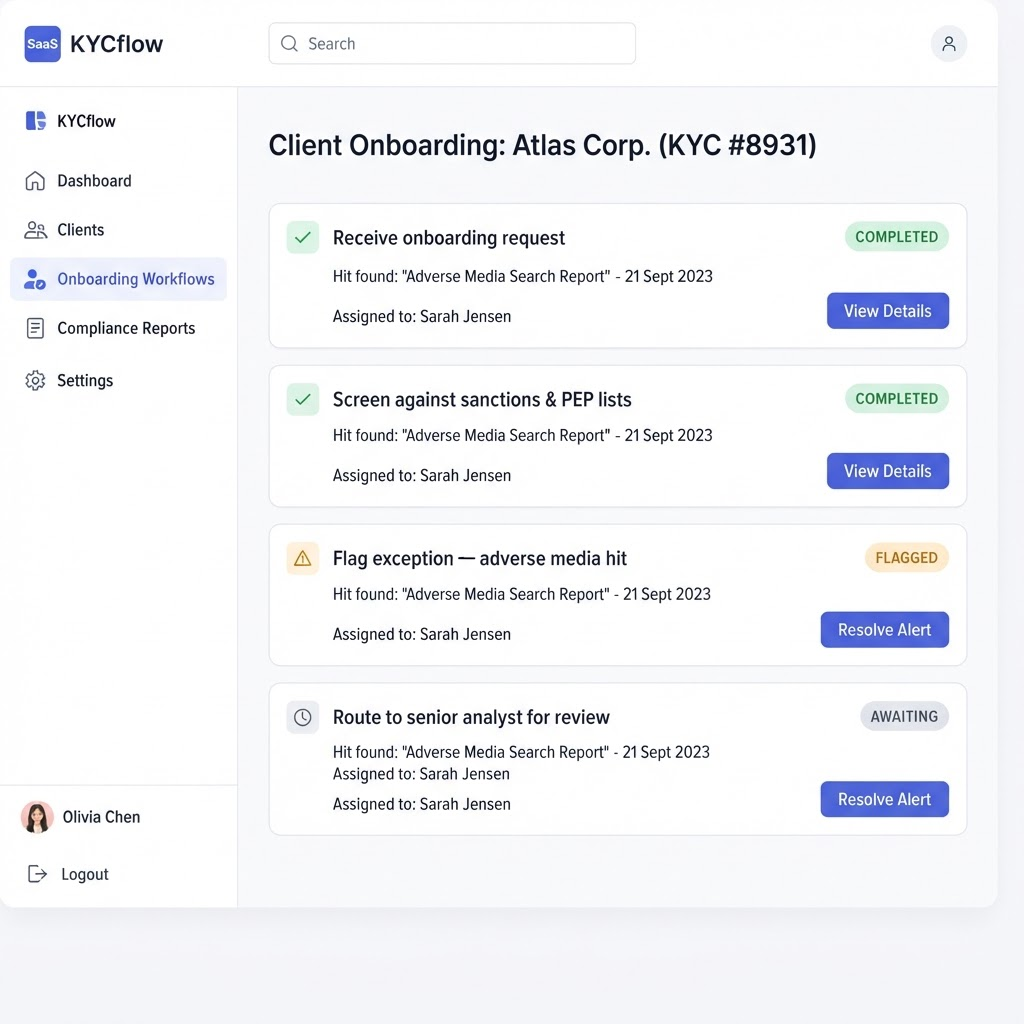
Turn every requirement into a recruiting strategy
The Job Order Understanding Agent analyzes job descriptions, client requirements, technical expectations, seniority, and hiring criteria. It surfaces hidden requirements and creates a role-specific framework for evaluating candidates.
Find true fit across every candidate source
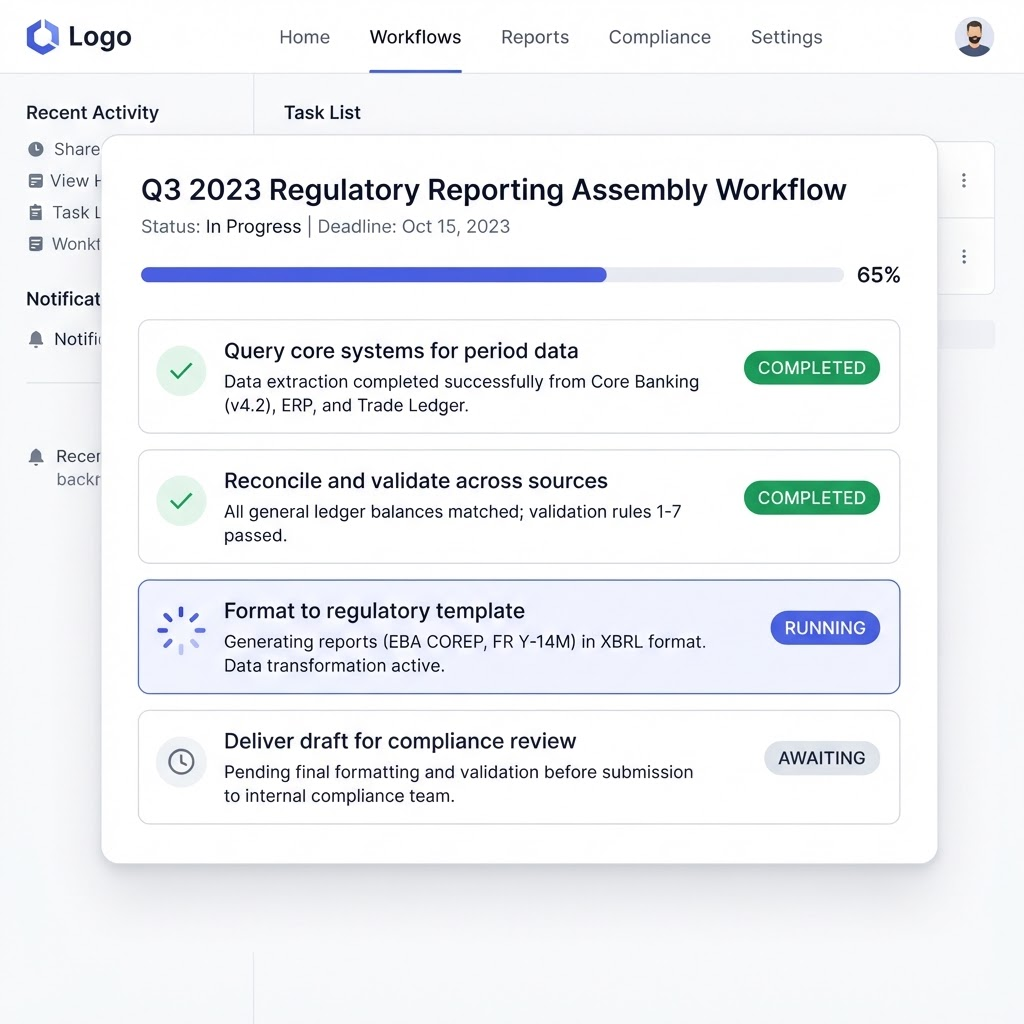
Candidate Research, Evaluation, and Matching Agents work together across inbound applicants, sourced profiles, referrals, and historical ATS records. They evaluate evidence, uncover adjacent experience, identify gaps, and rank the candidates most relevant to each requirement.
Submit stronger candidates—with evidence
The Submission Quality Agent reviews shortlisted candidates before client delivery. It validates fit, identifies unresolved weaknesses, and prepares a clear rationale explaining why each candidate should be considered.
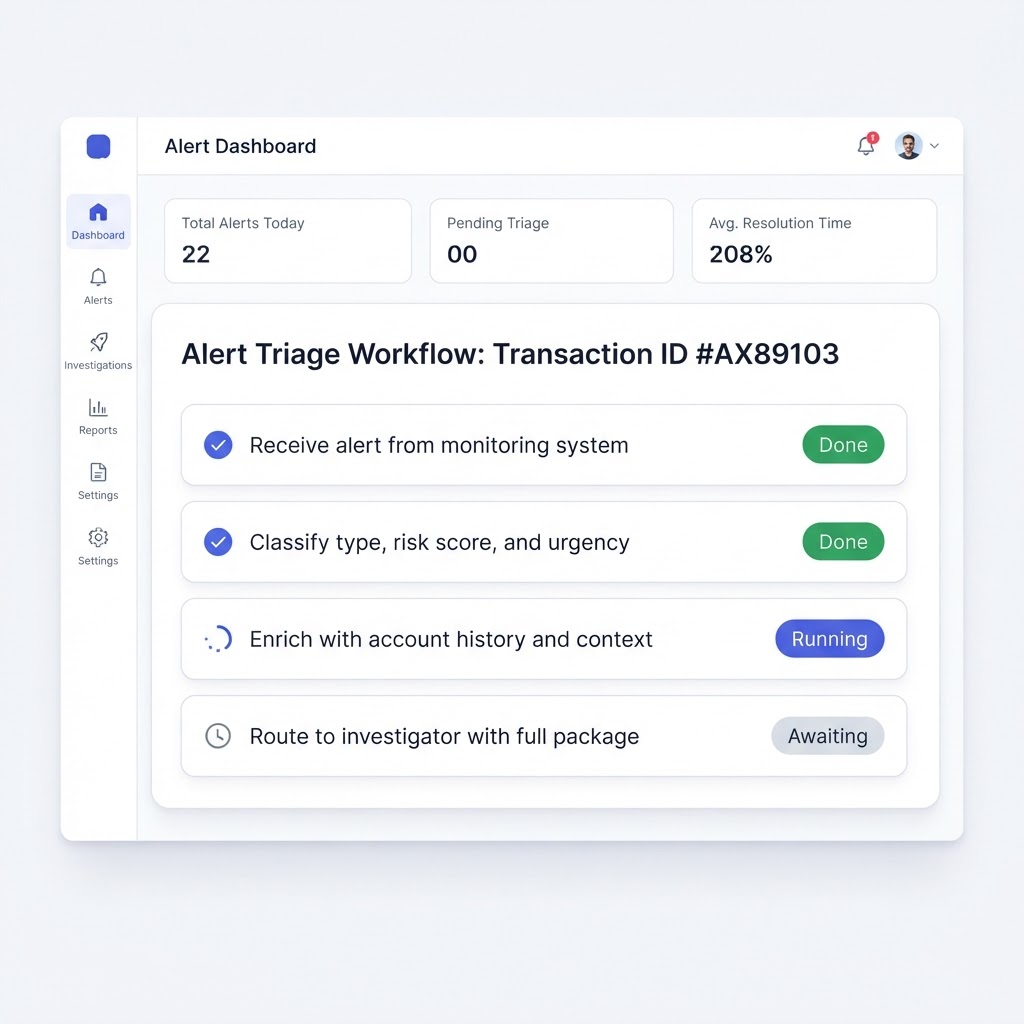
See an agentic placement workflow running with your requirements and candidate data.
Book DemoThe AI operating layer for your staffing business
Your ATS records candidates, jobs, activities, and pipeline stages. Automatan operates across that information—understanding requirements, evaluating candidates, researching context, recommending matches, and helping teams determine what should happen next. No rip-and-replace. Automatan works with the recruiting systems and processes your firm already runs.
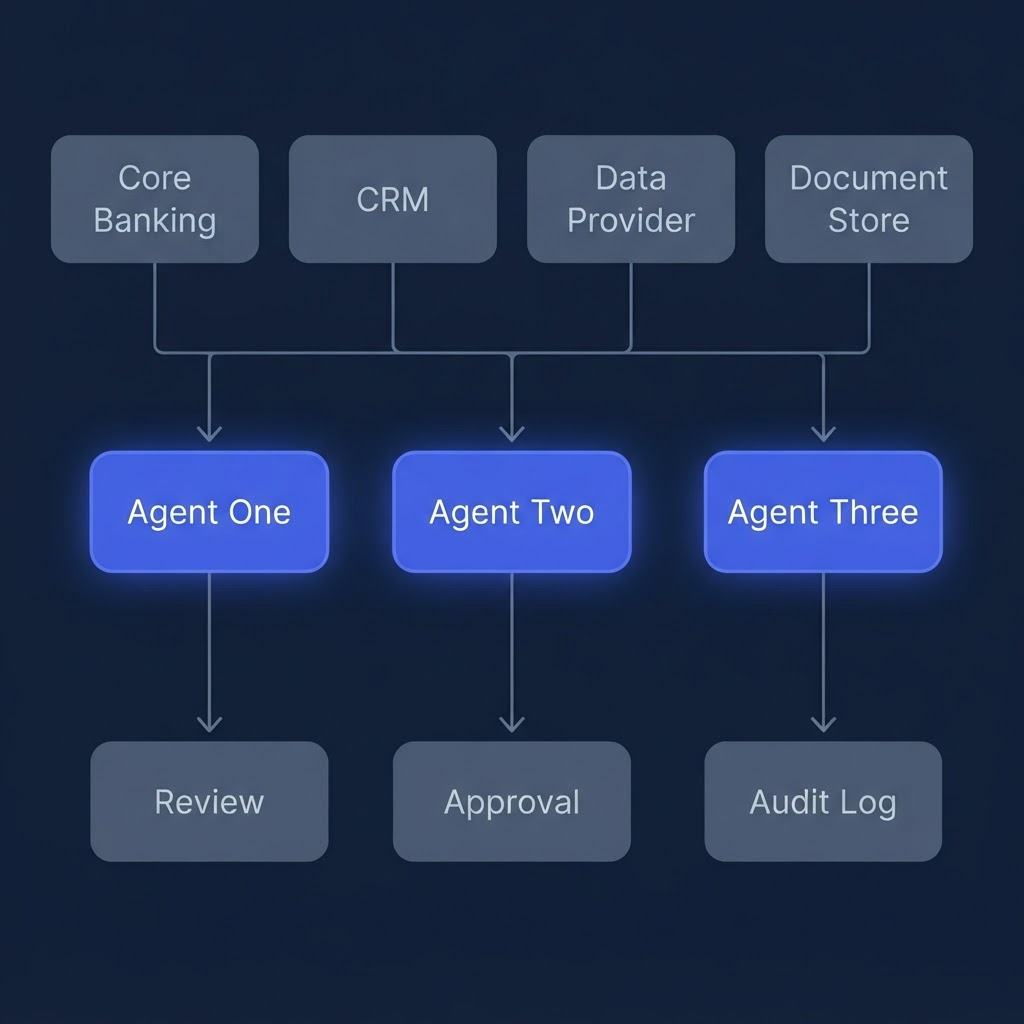
Connects recruiting context across systems
Bring together job orders, resumes, candidate profiles, ATS records, client requirements, assessments, and relevant professional information for coordinated agent analysis.
Orchestrates specialized recruiting agents
Job Order, Research, Evaluation, Matching, Screening, and Submission Quality Agents work as a multi-agent system—each performing a specialized part of the placement workflow.
Operates under human direction
Recruiters define the criteria, review agent reasoning, validate recommendations, and control candidate engagement and submission. Every action remains governed by your staffing process.
Built for enterprise staffing operations
Candidate data, client information, and hiring decisions require strong security, access control, and auditability. Automatan brings enterprise governance to every agentic recruitment workflow.
Turn recruiter capacity into business growth.
Automatan helps staffing firms improve the economics behind every placement—expanding delivery capacity, accelerating qualified submissions, and enabling growth without a proportional increase in recruiter headcount.
Increase revenue potential per recruiter
AI agents absorb the analytical work behind job-order interpretation, candidate research, screening, matching, and submission preparation. Recruiters can support more active requirements while concentrating on relationships, negotiation, and closing placements.
Move from requirement to qualified submission faster
Agents structure client requirements, identify relevant candidates, and evaluate fit across available talent pools. Delivery teams reach the strongest candidates sooner and reduce the time between receiving a job order and submitting a credible shortlist.
Scale placements without scaling overhead at the same rate
Increase the volume of candidates evaluated, roles supported, and submissions delivered without creating an equivalent increase in manual work—helping the firm protect margins as it grows.
What staffing leaders and recruiting teams will ask
These are the questions that arise when a staffing firm moves toward AI-native operations.
How does this improve staffing economics?
Will AI replace recruiters?
Will this replace our ATS?
Will candidates be evaluated fairly?
Can agents understand specialized roles?
Is this only valuable for junior recruiters?
Let's build the business case for your staffing firm.
We'll examine your recruiting workflows, identify where agent capacity can create the greatest impact, and model the opportunity across delivery speed, recruiter productivity, placement capacity, and operating margin. Thirty minutes. Your workflows. A practical path to AI-native staffing operations.
Typically responds within 4 hours