Agentic commerce for every SKU, channel, and market.
Automatan is the AI operating layer for enterprise commerce—coordinating specialized agents across product information, supplier evidence, content, compliance, launches, merchandising, recommendations, store operations, and demand planning.
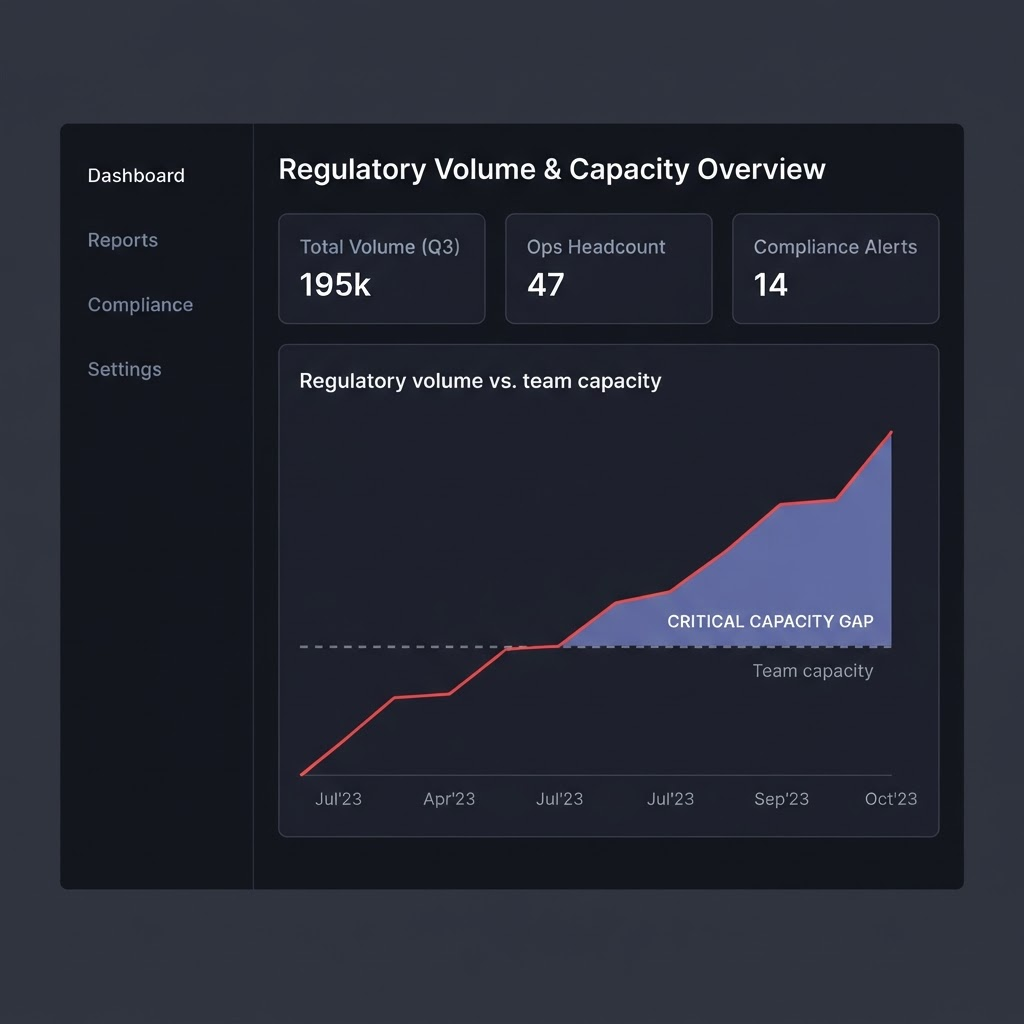
Commerce complexity has exceeded manual operating capacity.
Traditional commerce systems store products, process transactions, and report performance. They do not continuously reason across product data, customer behavior, inventory, supplier documents, market requirements, and demand signals. As assortments expand across channels and markets, commerce teams need agents that can analyze this connected context and turn it into operational and revenue decisions.
Every new SKU multiplies the work behind the product.
Products now carry hundreds of potential attributes, complex variants, supplier inputs, category requirements, channel specifications, claims, compatibility rules, and regional content variations.
Product truth is distributed across the commerce stack.
PIM, PLM, ERP, DAM, storefronts, marketplaces, retail systems, supplier files, and spreadsheets often contain different versions of the same product information.
Commerce teams are operating against moving signals.
Search behavior, product performance, availability, customer reviews, competitor activity, and category demand change continuously. Periodic analysis reaches decisions after the opportunity has moved.
Revenue growth must become operationally efficient.
Acquisition costs, returns, stockouts, markdowns, content remediation, and catalog overhead put pressure on commerce economics. Growth cannot depend on adding more people to every product and channel workflow.
AI has moved beyond recommendations and chatbots. The next era belongs to agents that operate across the complete commerce lifecycle.
Book DemoWhat changes when agents operate across the commerce lifecycle
The workflows enterprise brands transform first—from product onboarding and launch readiness to merchandising and demand optimization.
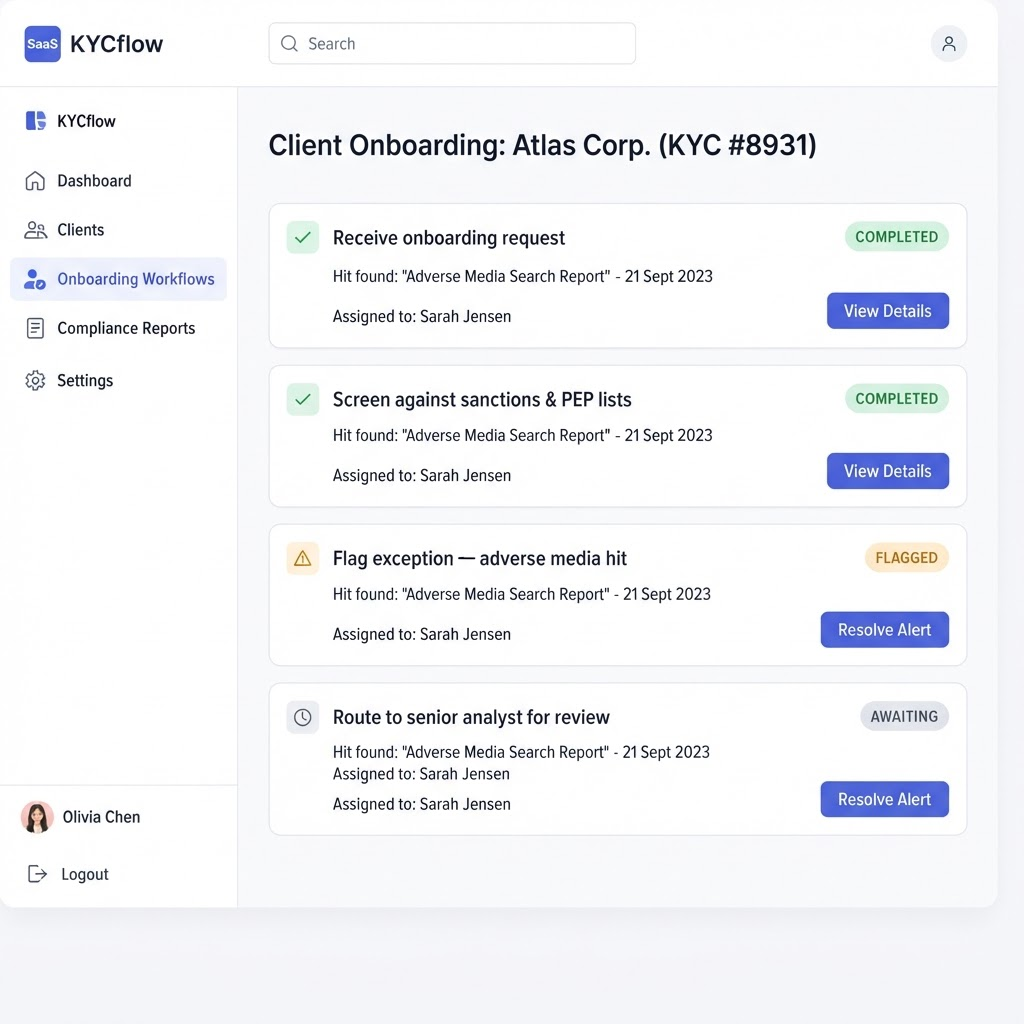
Move every SKU from source data to market-ready
Product Information, Catalog Quality, Content Optimization, Supplier Compliance, Claims Assurance, Market Readiness, and Launch Readiness Agents analyze product records, supplier documents, specifications, evidence, attributes, and channel requirements. They create structured product profiles, normalize attributes, identify missing information, validate claims, reconcile inconsistencies, and surface launch blockers before products reach the storefront.
Make the right product discoverable for the right demand
Merchandising, Assortment Whitespace, Product Recommendation, and Shopping Experience Agents reason across taxonomy, product attributes, search behavior, customer intent, inventory, reviews, performance, and category relationships.
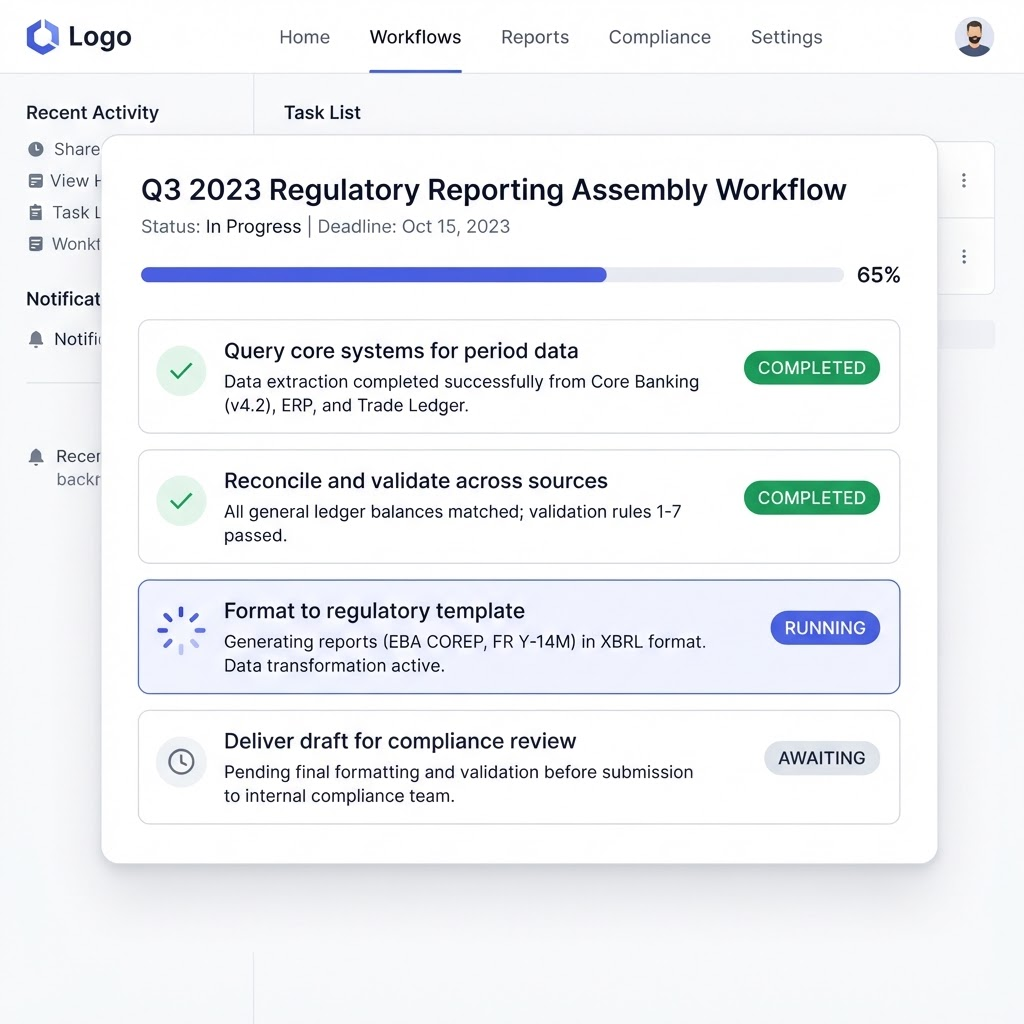
Detect where demand is moving—and where revenue is being lost
Market Demand, Demand Migration, Demand Recovery, Forecast Optimization, Product Quality, and Store Operations Agents connect sales velocity, search demand, availability, pricing, promotions, reviews, returns, product issues, and market signals.
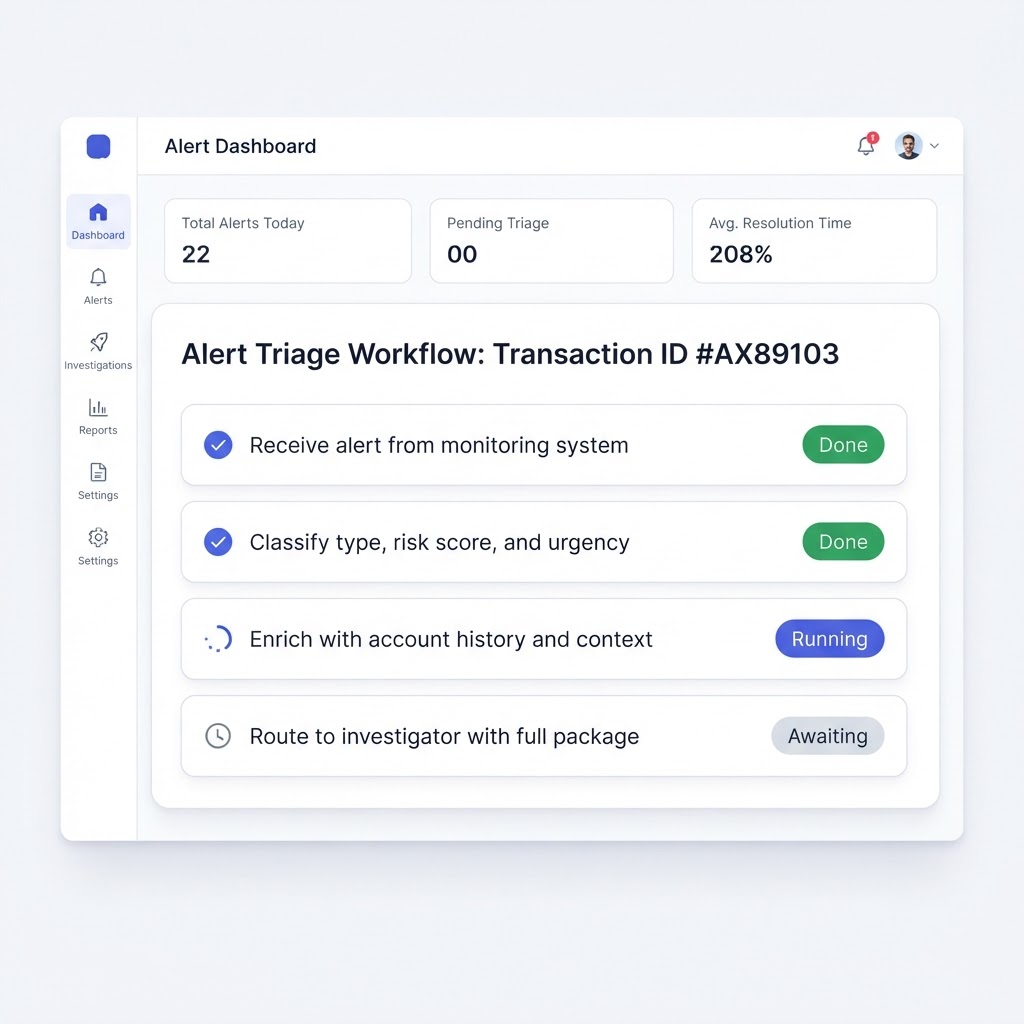
See an agentic commerce workflow running across your products, channels, and demand signals.
Book DemoThe reasoning layer across your commerce stack
Your commerce systems each hold part of the operating picture. Automatan connects the relevant product, customer, supplier, inventory, content, and demand context so specialized agents can reason across the business—not within one application at a time. No rip-and-replace. Your platforms remain systems of record and execution. Automatan becomes the AI operating layer across them.
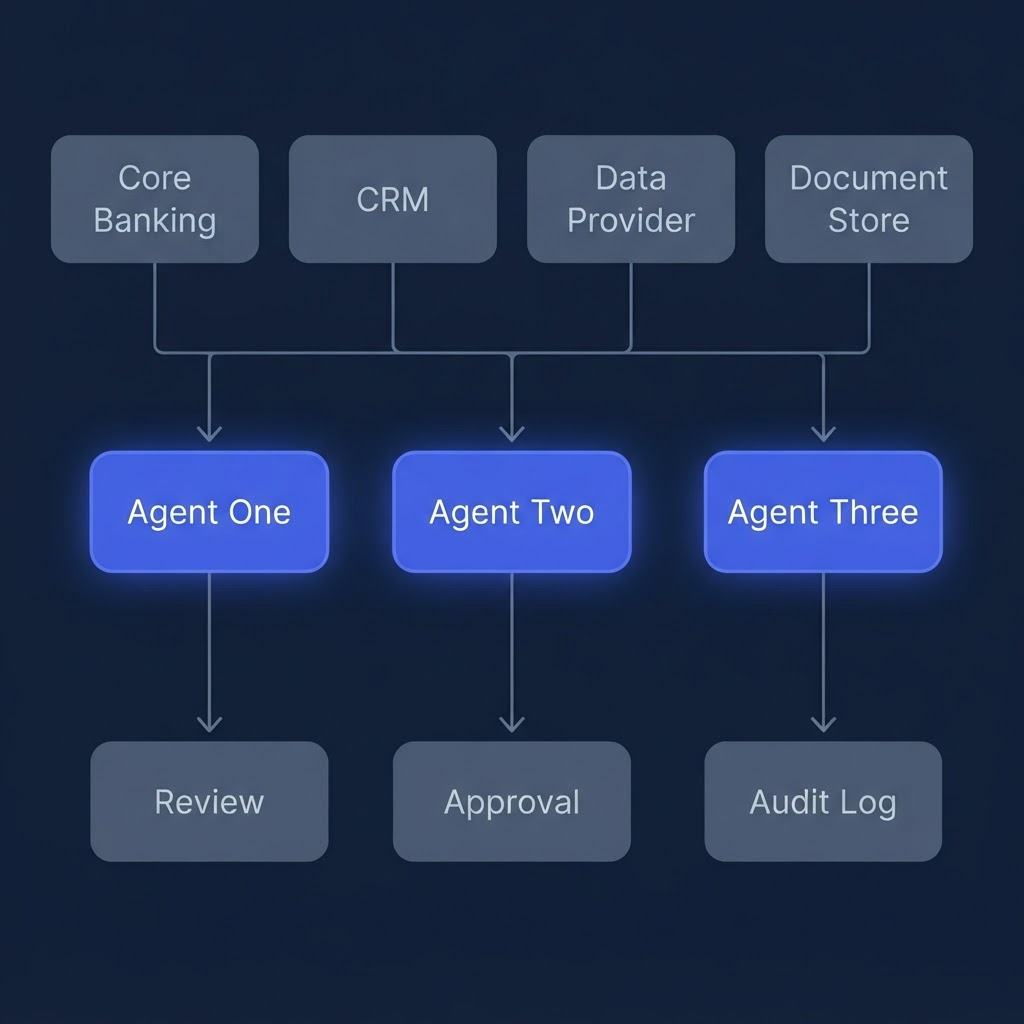
Creates connected product context
Bring together SKUs, variants, taxonomies, attributes, specifications, supplier evidence, claims, assets, inventory, pricing, customer signals, and performance data across PIM, PLM, ERP, DAM, WMS, and commerce platforms.
Orchestrates commerce agent systems
Deploy coordinated agents across product information management, content optimization, compliance, market entry, product quality, launches, merchandising, recommendations, store operations, and demand planning.
Operates within commercial control
Teams define brand standards, taxonomy rules, claims policies, channel requirements, merchandising objectives, approval thresholds, and commercial priorities. Recommendations remain traceable to their supporting evidence.
Built for enterprise commerce operations
Product formulations, specifications, supplier documents, pricing, customer data, performance signals, and market plans require strong security and governance. Automatan brings access control, traceability, and auditability to every agentic commerce workflow.
Turn commerce complexity into revenue performance.
Automatan helps brands move products to market faster, convert more demand, and scale assortments without allowing operational complexity to grow at the same rate.
Get more products commerce-ready, sooner
Accelerate product onboarding, attribute enrichment, content creation, supplier validation, claims review, localization, and launch-readiness checks across SKUs, variants, channels, and markets. Improve time-to-live while reducing product-data issues that create rework, delayed launches, and inconsistent customer experiences.
Convert more shopper intent into product discovery
Strengthen taxonomy, search relevance, product content, recommendations, comparison, and assortment coverage using deeper product context and live customer signals. Help shoppers find the right product, understand why it fits, and move from discovery to purchase with greater confidence.
Grow assortment and revenue without linear operational growth
Continuously analyze larger catalogs, more channels, more markets, and more demand signals without creating an equivalent increase in manual catalog, merchandising, research, and reporting work. Increase commerce-team capacity while protecting brand consistency, execution quality, and margin.
What ecommerce leaders and commerce teams will ask
These are the questions that arise when an enterprise moves from commerce software to agentic commerce operations.
How does this affect revenue—not only efficiency?
How is this different from ecommerce apps and automation tools?
Can agents understand our specific products?
Will Automatan replace our PIM, ERP, or commerce platform?
Will AI replace ecommerce and merchandising teams?
Can our teams control agent recommendations?
Turn your commerce stack into an agentic operating system.
We’ll map your product, catalog, launch, merchandising, store, and demand workflows—then identify where specialized agents can create the greatest impact on revenue, speed, margin, and operational scale.
Typically responds within 4 hours